




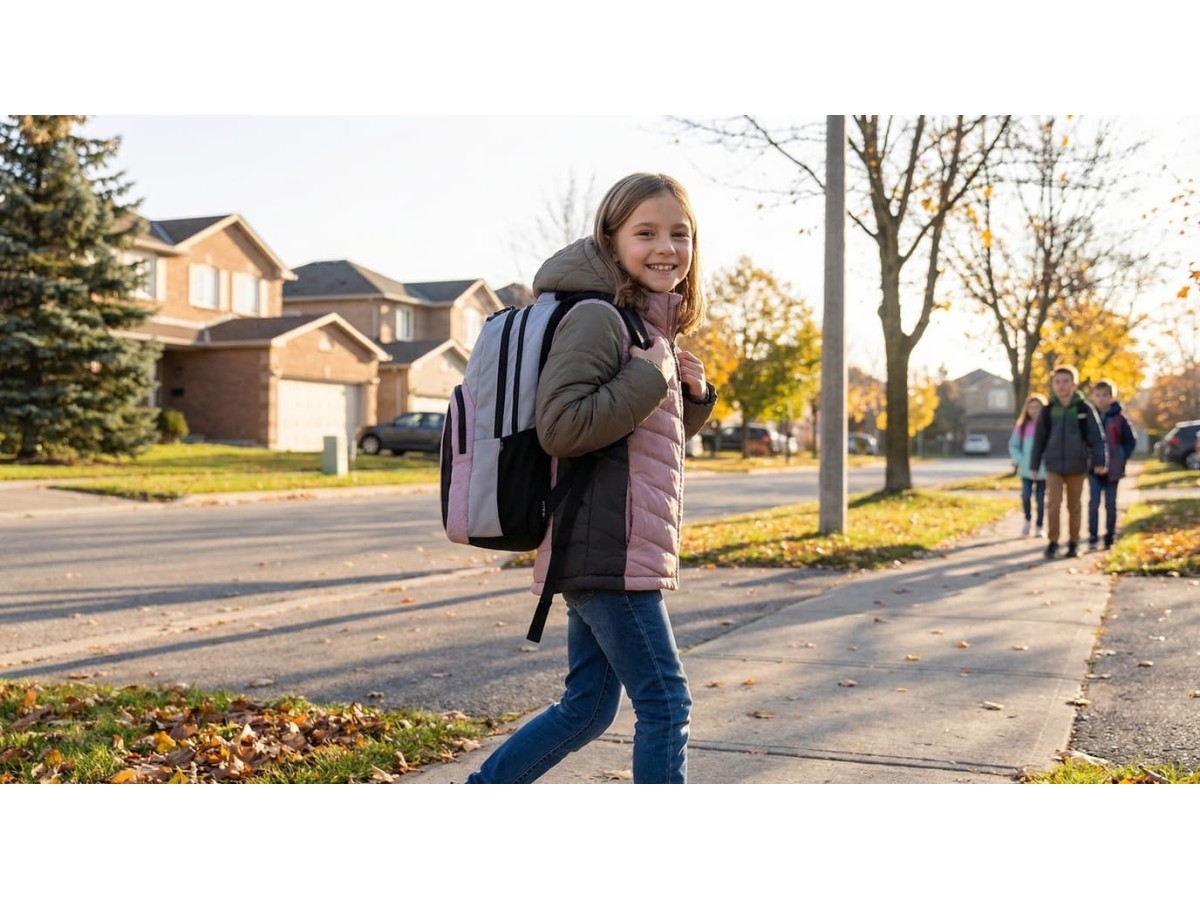
Most school mornings move quickly. A child throws on a backpack, heads out the door, and starts the school day. Because that routine happens so fast, many parents do not notice when a bag has quietly become too heavy. Over time, that extra load can affect comfort, energy, and posture more than most people expect.
This guide explains the most common signs a child’s backpack is too heavy, why it matters, and what parents in Canada can do to reduce strain. You can also explore our full backpack buying guides hub for more practical school backpack advice.
TL;DR Quick Checklist
Why a Heavy Backpack Matters More Than Parents Think
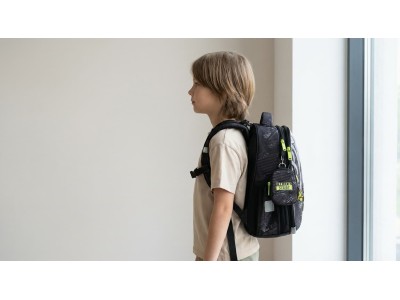
A child’s spine, muscles, and posture are still developing. When a backpack is too heavy, children do not always say so clearly. Instead, the body starts compensating. They may lean forward, hunch their shoulders, shift their balance, or simply feel more tired at the end of the day.
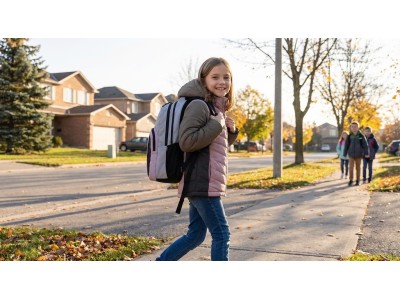
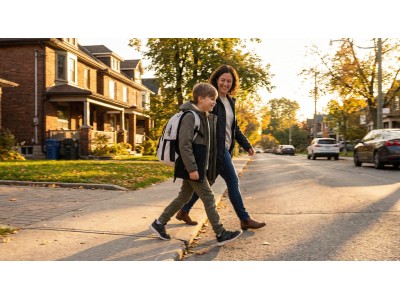
In Canada, the issue can feel even more noticeable during colder months when kids may also be walking in boots, wearing heavy jackets, and carrying water bottles, lunch containers, binders, and indoor shoes. A few extra items each day add up fast.
That is why safe load, proper fit, and smart packing matter together. If you are comparing backpack options, start with our school backpacks and ergonomic backpack guide for a broader overview.
How Heavy Should a Backpack Be?
A widely used practical guideline is to keep a fully packed backpack at about 10% of a child’s body weight for daily use. Some sources mention 15% as an upper range, but that should be treated as a limit, not the everyday goal.
This total includes the backpack itself. A bag that is already heavy before books are packed reduces how much can be carried safely. For a more detailed breakdown, read our guide on safe backpack weight for kids.
Clear Signs Your Child’s Backpack Is Too Heavy
Most children do not say, “My backpack exceeds a safe load.” They show it in simpler ways. These are the signs parents should watch for.
Back or Shoulder Pain After School
If your child often complains about sore shoulders, neck tension, or back pain after school — especially if it eases on weekends — the backpack may be part of the problem.
Red Marks from Straps
Deep strap marks, pressure grooves, or irritation on the shoulders suggest that too much force is being concentrated in a small area.
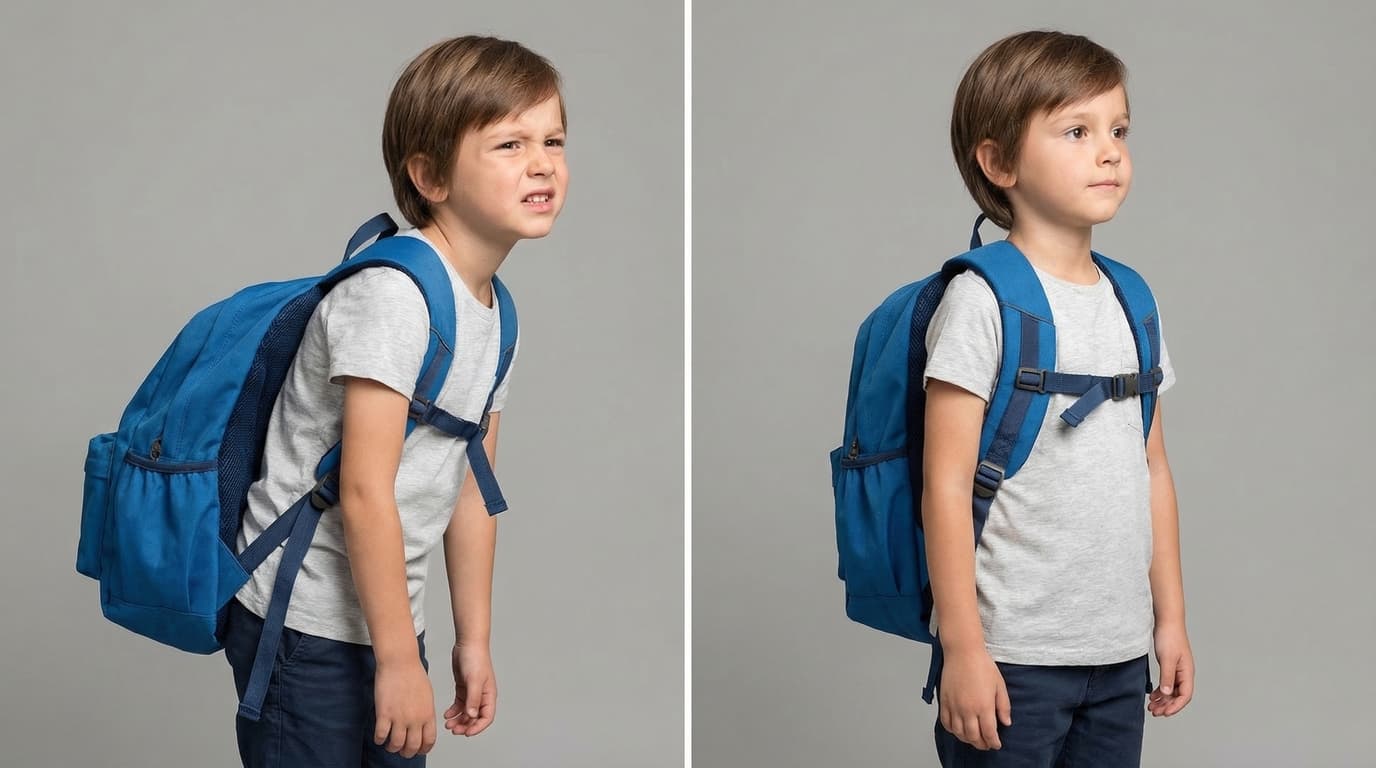
Leaning Forward While Walking
A child who leans forward to “fight” the backpack load is compensating for poor weight distribution or excess weight.
Difficulty Putting the Backpack On
If lifting the backpack onto the shoulders already looks like work, the bag is too heavy for daily use.
End-of-Day Fatigue
A child may not describe backpack discomfort directly, but you may notice unusual tiredness, stiffness, or slower movement after school.
Why Heavy Backpacks Cause Problems
A single heavy day is not usually the issue. The bigger problem is repetition. When the same excess load is carried five days a week, small compensations become habits.
- Posture changes can develop when a child leans forward or rounds the shoulders regularly.
- Muscle fatigue increases when the body has to stabilize too much weight day after day.
- Pressure on the spine becomes harder to manage when the load sits low or far from the back.
- Daily comfort drops, which can affect school mornings, walks, and general energy.
Common Mistakes Parents Make
- Buying an oversized backpack that invites overpacking.
- Ignoring the empty weight of the bag itself.
- Packing heavy items far from the back panel, which makes the bag feel heavier.
- Letting children carry “just in case” items every day.
- Assuming discomfort will always be verbalized, when many kids simply adapt to it.
What Parents Should Do
Most backpack problems can be improved quickly with a few practical changes.
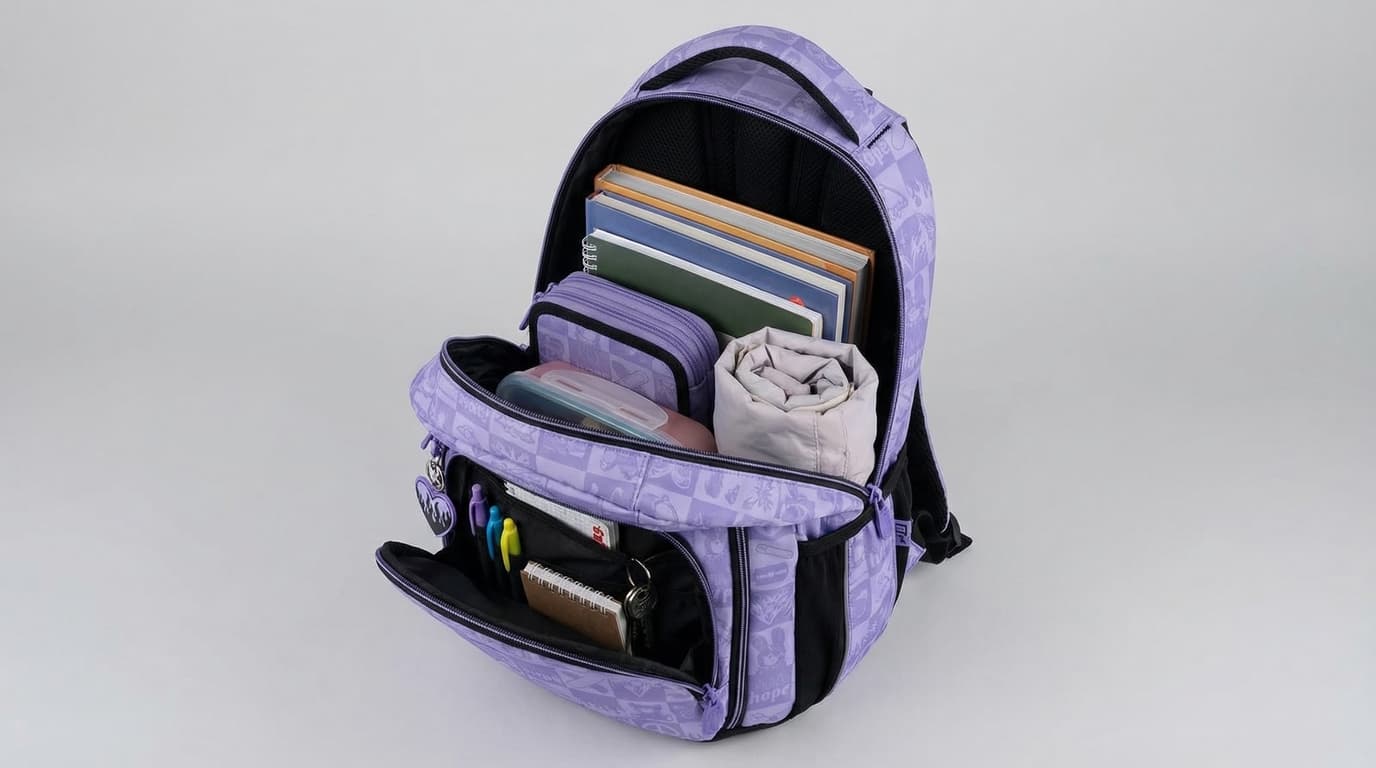
- Remove unnecessary items at least once a week.
- Keep only the books and supplies needed for that day.
- Place heavier items flat and close to the back panel.
- Use compartments to keep the load stable.
- Adjust both shoulder straps evenly so the bag sits close to the body.
- Weigh the packed backpack on a scale occasionally instead of guessing.
For a full step-by-step method, see our guide on how to pack a school backpack properly.
When Parents Should Take Action Quickly
Some signs should not be ignored.
- Pain that continues after rest
- Noticeable posture changes even without the bag on
- Tingling or numbness in the arms or hands
- Symptoms that keep getting worse instead of improving
How an Ergonomic Backpack Helps
Reducing weight is still the first priority, but backpack design matters too. A better-designed bag makes the same load easier to carry and helps keep the fit more stable through the day.
Features That Make a Difference
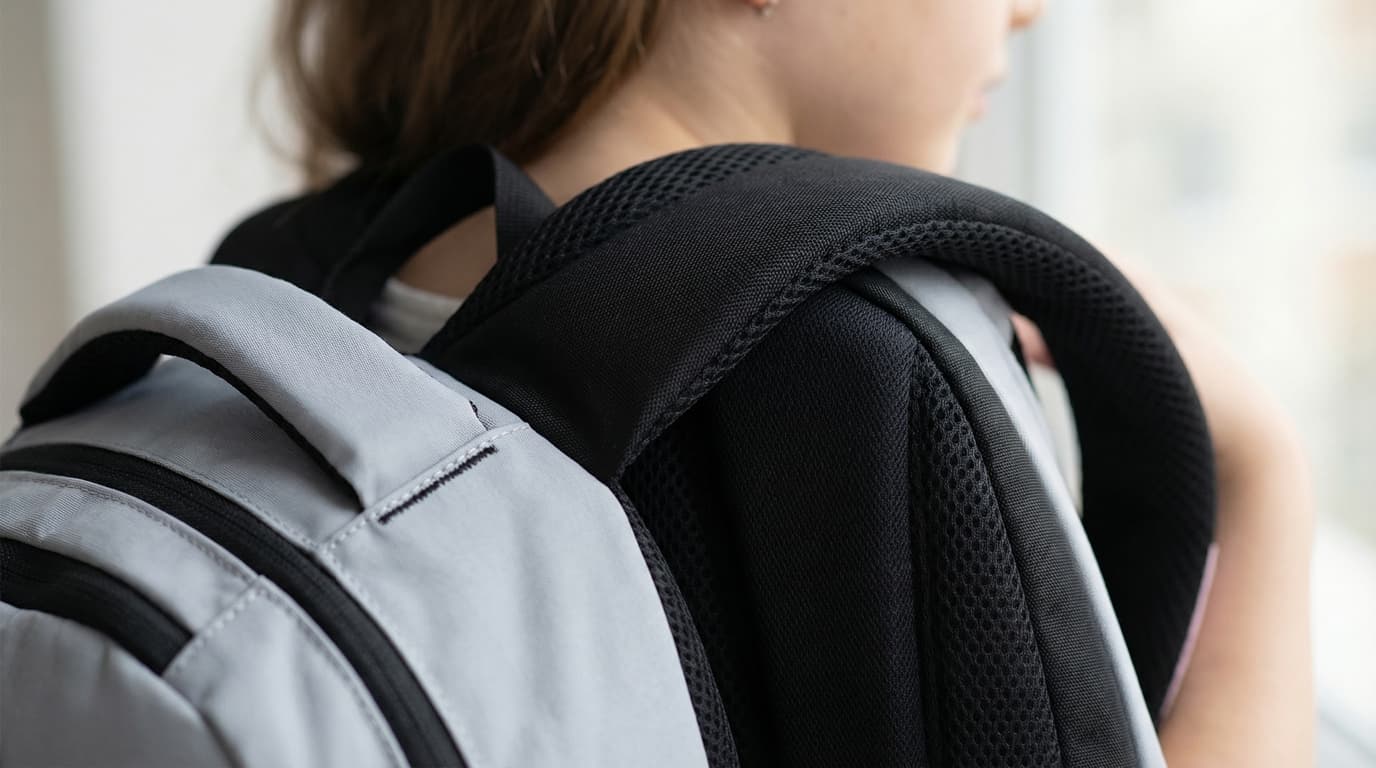
- Wide padded shoulder straps
- Structured ergonomic back panel
- Chest strap for stability
- Lightweight but durable construction
- Compartments that support better organization
If you want to compare models built for comfort and daily support, read our guide to ergonomic school backpacks in Canada.
Frequently Asked Questions
How do I know if my child’s backpack is too heavy?
Common signs include back pain, shoulder discomfort, red marks from straps, leaning forward while walking, and trouble lifting the bag.
What is the safe backpack weight for kids?
A practical daily target is about 10% of body weight. Some guidance stretches to 15%, but that should not be treated as the normal everyday goal.
Can a heavy backpack affect posture?
Yes. Children often compensate by leaning forward, rounding the shoulders, or shifting the load unevenly, which can affect posture over time.
Is packing technique really important?
Yes. Even a good backpack can feel worse if heavy items are packed in the wrong place or if the weight shifts inside the bag.
Related Guides
- Backpack Weight Limit for Kids — understand the 10–15% rule more clearly.
- How to Pack a School Backpack Properly — reduce strain by improving weight distribution.
- Backpack Size by Grade — make sure the bag itself fits properly.
- Best Ergonomic School Backpacks in Canada — compare stronger support-focused options.
Explore Better School Backpacks for Kids
Ready to compare better options? Browse our school backpacks or go directly to our kids backpacks collection for school bags designed around comfort, structure, and everyday use in Canada.

Write a comment