




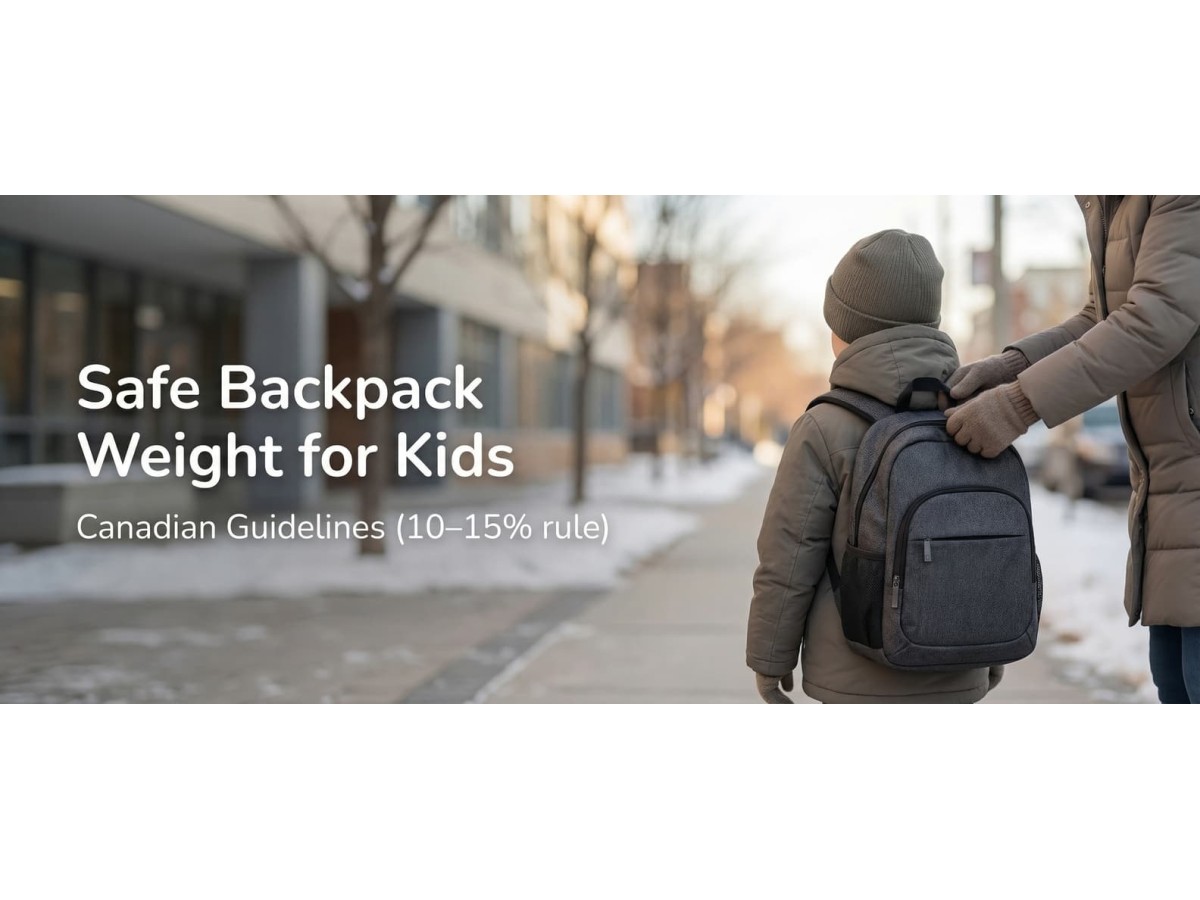
What Backpack Weight Is Safe for Kids?
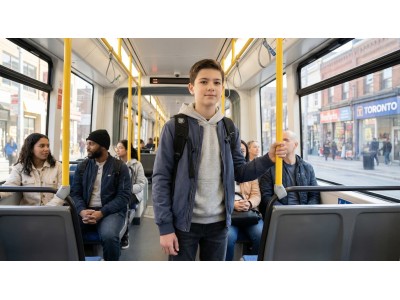
For most children, a safe backpack weight is between 10% and 15% of their total body weight, with 10% recommended as the safer target—especially for younger students. Pediatric and ergonomic guidelines consistently show that exceeding these limits increases back and shoulder strain and leads to postural compensation, such as leaning forward or arching the back. This is why ergonomic backpacks are often recommended: they help manage daily school loads while improving weight distribution, particularly during longer or standing commutes common in Canada.
Recommended Backpack Weight Guidelines
Health organizations generally agree on a simple and practical rule: a child’s backpack should not exceed 10–15% of their body weight.
- Younger children should stay closer to 10%
- Older students and teens may tolerate up to 15%
Exceeding these limits often causes children to compensate by leaning forward or altering posture, which increases strain on the developing spine.
Quick Reference Table
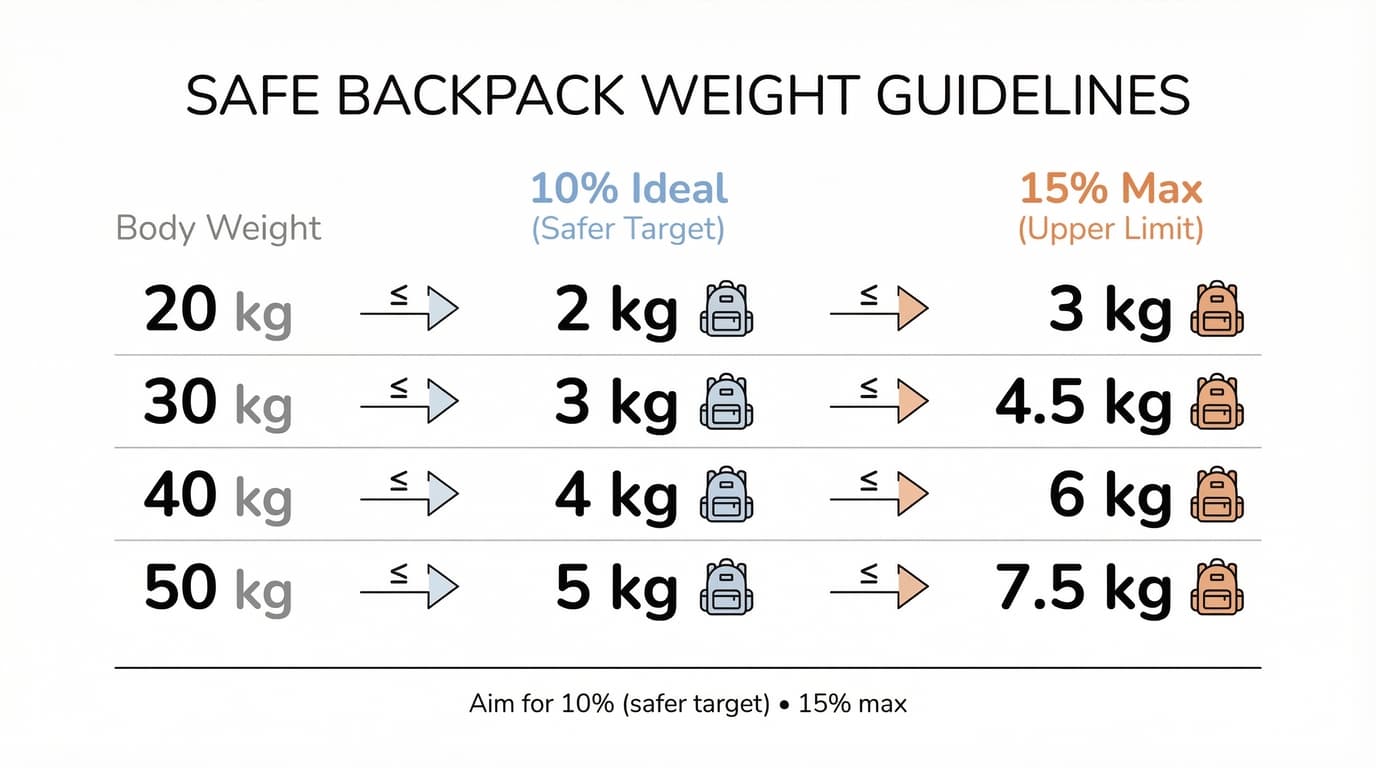
| Child’s Weight | Maximum Safe Backpack Weight |
|---|---|
| 20 kg (44 lb) | 2–3 kg (4–6 lb) |
| 30 kg (66 lb) | 3–4.5 kg (6–10 lb) |
| 40 kg (88 lb) | 4–6 kg (9–13 lb) |
| 50 kg (110 lb) | 5–7.5 kg (11–17 lb) |
Why Backpack Weight Matters
Children’s spines are still developing. Excessive or poorly distributed backpack weight can contribute to shoulder pain, lower back strain, fatigue, and long-term postural habits that persist into adulthood.
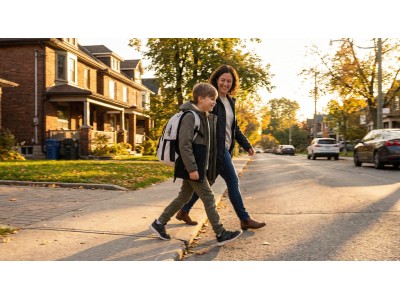
In the Canadian school context, longer commutes, winter layers, and bulky gear such as insulated lunch containers add hidden weight to a child’s daily load. This makes proper weight management even more important.
Weight Distribution Is Just as Important as Weight
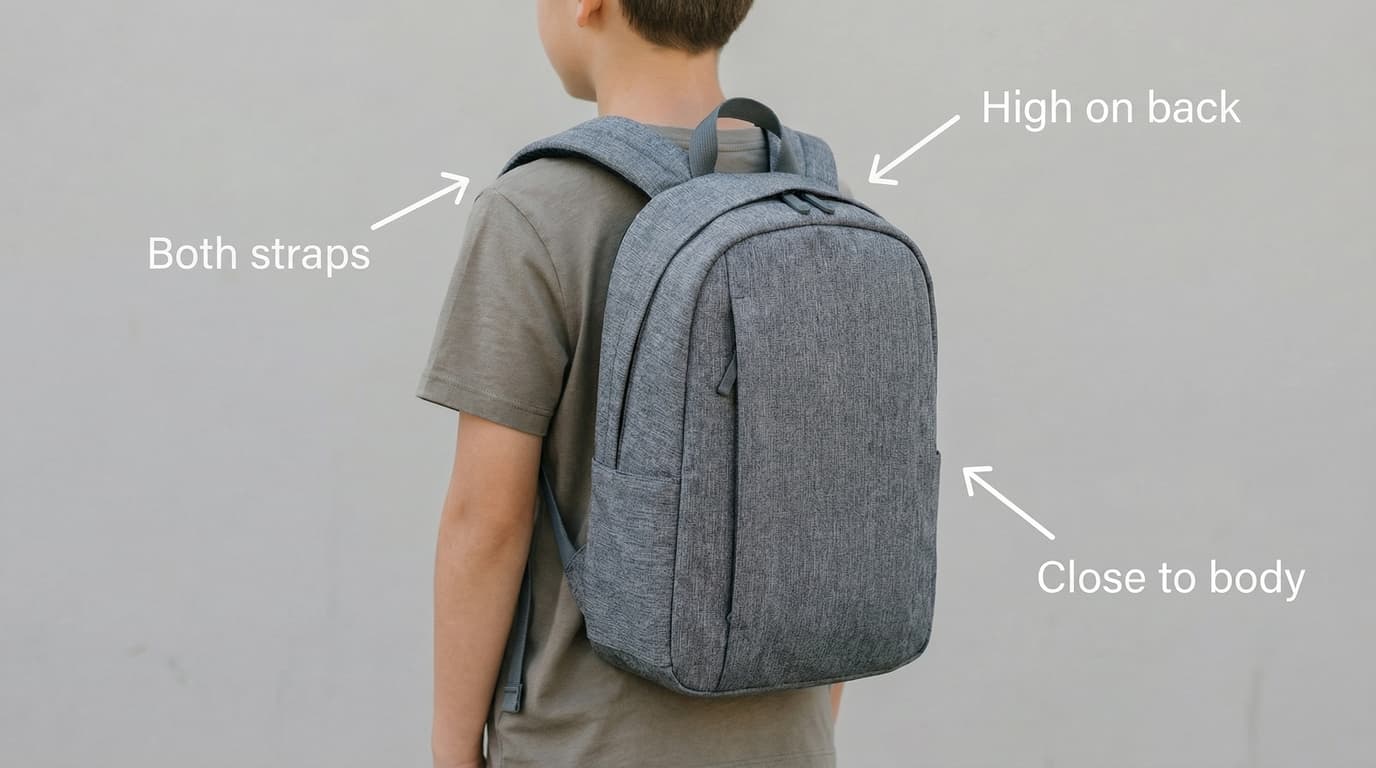
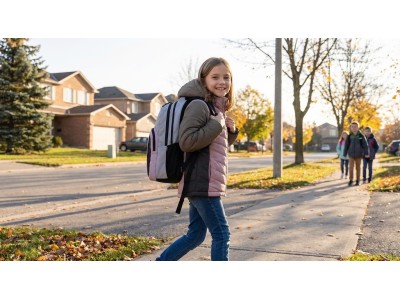
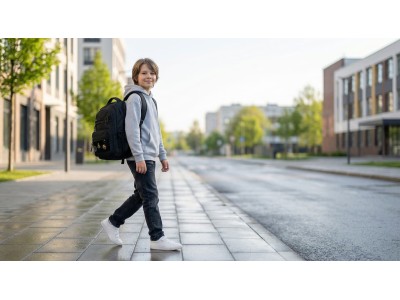
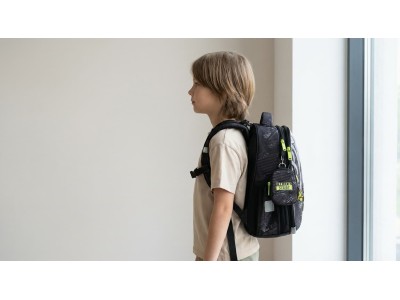
Two backpacks with the same total weight can feel very different depending on how that weight is carried. A properly worn backpack should sit high on the back, stay close to the body, and distribute weight evenly across both shoulders.
Effective weight distribution requires the backpack to be worn with both shoulder straps tightened, keeping the load centered against the natural curve of the lower back.
How Ergonomic Backpacks Help Reduce Strain
- Lightweight materials reduce the base weight of the backpack
- Padded, ergonomic shoulder straps improve comfort
- Structured back panels support natural posture
- Chest and waist straps help stabilize the load
- Internal compartments keep heavier items closer to the spine
Ergonomic backpacks are often recommended because they combine lightweight construction with structured support systems designed for everyday school use.
Parents looking to reduce daily backpack strain often focus on ergonomic design rather than brand names. Guides on Ergonomic kids’ backpacks and Elementary School Backpacks can help families understand which features support safe weight distribution.
Warning Signs a Backpack Is Too Heavy
- Complaints of shoulder, neck, or back pain
- Red marks or indentations on the shoulders
- Leaning forward while walking
- Fatigue after short distances
- Difficulty putting on or removing the backpack
- Numbness or tingling in the arms or hands
How Parents Can Reduce Backpack Weight
- Remove unnecessary items daily
- Use lockers or digital textbooks when available
- Choose lighter lunch containers and bottles
- Pack only what is needed for that day
- Re-check backpack weight during growth spurts or seasonal changes

Final Takeaway
There is no single perfect backpack weight, but there is a safe range. Staying within 10–15% of a child’s body weight—aiming closer to 10% when possible—and choosing an ergonomic backpack can significantly reduce daily strain on a developing spine.
Regular weight checks, proper fit, and attention to warning signs help ensure that a backpack supports a child’s health rather than becoming a hidden source of stress.
When choosing a backpack, experts recommend prioritizing lightweight materials, structured back panels, and proper strap systems over style alone. Backpacks designed with ergonomic principles can make it easier to stay within safe daily weight limits.
Related reading:
How to Choose an Ergonomic Kids’ Backpack (Canada Guide)



Write a comment