




Choosing a Backpack for Long School Commutes in Toronto & the GTA
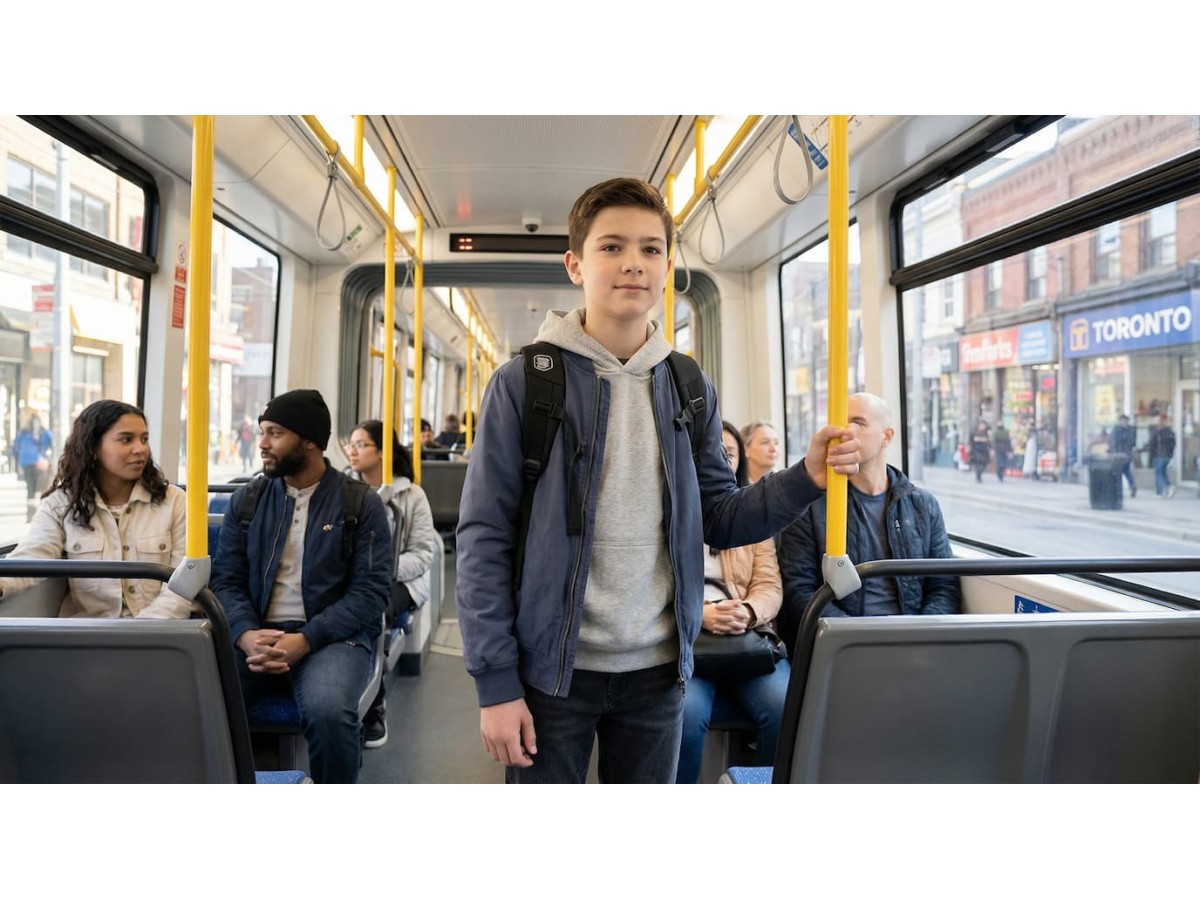
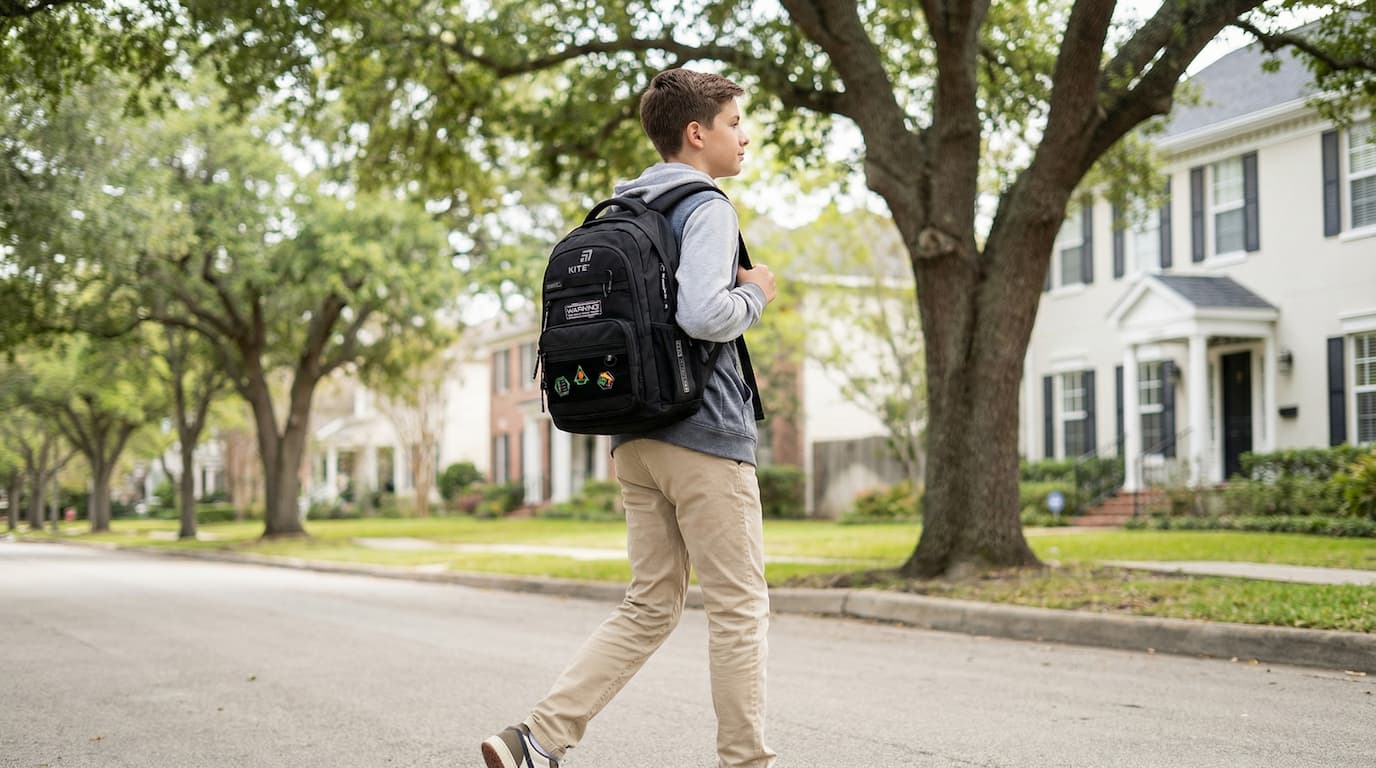
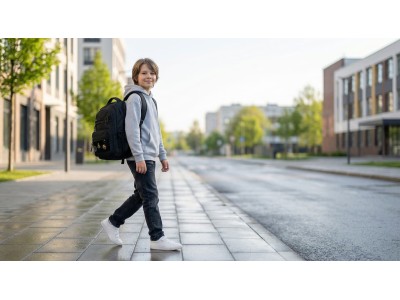
For students who spend a long time walking, standing, or using public transit, the right backpack plays a critical role in daily comfort and posture by preventing cumulative muscle fatigue and spinal strain. A long school commute is generally defined as any trip exceeding 20 minutes of continuous walking or standing transit. In cities like Toronto, Mississauga, Vaughan, and across the GTA, school commutes often involve long walks, crowded buses, or standing rides on the TTC, which means students carry their backpacks for much longer than on short trips.
Backpacks that work well for short trips may not provide enough support during longer commutes. Understanding what matters most helps parents and students avoid unnecessary strain during the school day.

Why Long Commutes Change Backpack Requirements
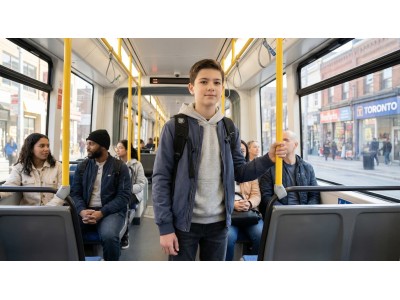
Long school commutes are much harder on a student’s body than short walks or quick car drop-offs. Standing on a moving TTC bus or subway forces the core muscles to constantly adjust to sudden stops, making a stabilized, chest-strapped load essential. Canadian winters make school commutes even tougher, increasing strain on the back and shoulders.
When a backpack is poorly fitted or overloaded, students often hunch forward to stay balanced or shift weight to one side. Over time, this can affect the spine’s natural S-curve, balance, and overall comfort.
Weight Matters More During Long Commutes
For longer commutes, backpack weight becomes even more important. Health guidelines recommend keeping backpack weight within safe limits to reduce strain on a child’s growing spine.
Parents who want a clear breakdown of recommended limits can refer to safe backpack weight limits for Canadian students. Staying within these limits becomes especially important when students carry their backpacks for 30 minutes or more each way.
Quick Checklist: Backpack Essentials for Long Commutes
- Weight: Under 10–15% of body weight (closer to 10% for transit commuters).
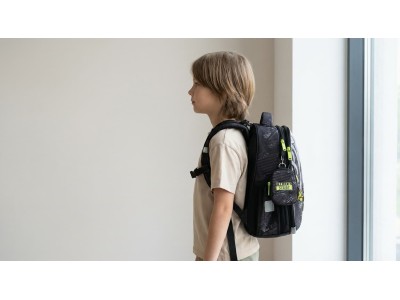
- Position: Snug against the upper back, not sagging below the waist.
- Stability: Chest strap clipped to prevent shifting.
- Packing: Heaviest items placed closest to the back panel.
Key Features to Look for in a Backpack for Long Commutes
1. Structured Back Panel
A structured back panel helps the backpack keep its shape and stay close to the body. This reduces forward-leaning habits and keeps weight aligned with the spine and the body’s center of gravity during walking or standing.
2. Proper Weight Distribution
Backpacks designed for longer use keep heavier items, such as textbooks or laptops, closest to the back panel. This improves balance and makes it easier to stay upright on crowded buses or trains.
3. Supportive Shoulder Straps
Wide, padded shoulder straps help distribute pressure evenly and reduce muscle tension. Straps should be adjustable so the backpack sits high and does not sag toward the lower back.
4. Chest and Waist Support
Chest straps help stabilize the backpack during movement, while waist belts can transfer up to 50–70% of the load to the hips. This is especially helpful during longer walks or when standing for extended periods.
5. Lightweight, Water-Resistant Design
Toronto’s slush season and freezing rain can quickly increase backpack weight if fabric absorbs moisture. A lightweight, water-resistant exterior reduces overall load and helps maintain comfort during long winter commutes.
Winter Commutes in Toronto & the GTA
Bulky winter jackets can affect backpack fit, and icy sidewalks demand better balance. Low visibility is also a concern—reflective details on a backpack improve safety during dark winter mornings on local side streets.
Backpacks that stay close to the body and do not shift help students move more safely in winter conditions. Proper adjustment over winter clothing is just as important as the backpack itself.
5-Minute Backpack Fit Check for Long Commutes
- Empty the backpack and check its base weight (lighter is better).
- Pack the heaviest items first, placing them against the back panel.
- Put the backpack on over winter clothing and adjust shoulder straps.
- Clip chest and waist straps, ensuring the bag does not sag.
- Walk for 5 minutes and stand still for 2 minutes to check stability.
How Orthopedic Design Helps During Long Commutes
Backpacks with orthopedic design features help kids stand up straight and reduce strain during long wear. Structured back panels and balanced weight distribution help keep the spine aligned, even when standing still on transit.
For a deeper explanation of orthopedic design, parents can explore how to identify a certified orthopedic backpack.
Who Benefits Most from Commute-Focused Backpacks
- Students who walk long distances to school.
- Students who stand on buses, streetcars, or subways.
- Students carrying laptops or tablets that shift balance.
- Older students carrying heavy textbooks and lunch containers.
- Students commuting daily during winter months.
Packing Tips to Reduce Weight on Long Commutes
- Use school lockers for non-daily items.
- Avoid packing “just in case” extras every day.
- Choose multi-use containers to reduce duplicate items.
- Do a weekly backpack clean-out.
Final Takeaway
Long school commutes require more from a backpack than short trips. Proper structure, stable fit, and controlled weight distribution make daily travel safer and more comfortable.
By focusing on fit, weight, and posture support, parents can help prevent long commutes from turning into aches and pains over time.
Related reading:
How to Choose an Ergonomic Kids’ Backpack (Canada, 2026 Guide)
This guide is for general information only and does not replace medical advice. If your child experiences ongoing pain, consult a healthcare professional.




Write a comment