




IGR Certified Ergonomic Backpacks: What It Actually Means for Posture & Comfort
Not every "ergonomic backpack" is independently tested. IGR certification means the backpack's design has been evaluated for fit, comfort, and load distribution. That matters when kids and teens carry school weight every day in Canada.
What does IGR-certified mean on a backpack? It means the ergonomic concept has been independently reviewed by the German Institute for Health and Ergonomics, rather than relying only on brand claims.
Most backpacks use "ergonomic" as a marketing term, with no requirement to prove it. IGR certification is different: it means the design has been independently reviewed, not just described as posture-friendly on a product page.
For families in Canada choosing ergonomic backpacks, where school bags are carried five days a week across a long academic year, that distinction is worth understanding before you buy.
This guide explains what IGR certification is, why it matters, how it compares with regular backpacks, and which school backpacks in Canada make the most sense if posture and daily comfort are a priority.
Quick Answer
- IGR certification means the ergonomic design has been independently evaluated.
- It helps verify more than looks or marketing language.
- For kids and teens carrying books, lunch, tech, and winter layers, that matters.
- If daily comfort and posture support matter, IGR is a meaningful signal.
Regular Backpack vs IGR-Certified Ergonomic Backpack
| Factor | Regular Backpack | IGR-Certified Ergonomic Backpack |
|---|---|---|
| Load position | Often sits farther from the back | Designed to keep weight closer to the body |
| Daily comfort | Depends on shape and padding | Evaluated for ergonomic comfort |
| Weight distribution | Can feel uneven under heavier load | Designed for more balanced distribution |
| Adjustability | Varies widely | Fit and support are part of the ergonomic concept |
| Trust level | Mostly brand claims | Independent ergonomic review |
| Best for | Light casual use | Daily school, commuting, heavier carry routines |
Why backpack ergonomics matter
Most backpacks are designed to sell visually first. That is not the same as being designed for posture. The problem shows up when children carry real daily loads: books, lunch boxes, water bottles, tablets, sports gear, and colder-weather layers.
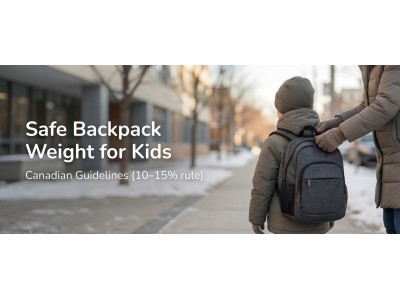
In Canada, that load is not occasional. It is repeated through the school year, often with longer commutes, winter clothing, and heavier routines. A backpack that sits badly or pulls weight away from the spine can feel tiring quickly. Even the best ergonomic design works best when the total load stays within commonly recommended guidelines, typically around 10 to 15 percent of the child's body weight.
Standard backpack
- May pull weight away from the body
- Can overload shoulders under heavier use
- Often limited in fit adjustment
- Comfort depends heavily on luck and styling
IGR-certified ergonomic design
- Supports closer-to-body carry
- Designed for more balanced load handling
- Better fit logic for daily use
- Independent ergonomic review adds credibility
Who benefits most from IGR-certified backpacks?
Parents
Problem: school loads can reinforce poor posture habits during growth years.
Benefit: a better ergonomic fit helps the bag feel more stable and less tiring every day.
Teens
Problem: long days, laptops, transit, and heavier schedules increase shoulder fatigue.
Benefit: better fit and load balance support daily comfort without looking clinical.
Adults & Students
Problem: commuting with tech, lunch, and extras can strain the upper back.
Benefit: ergonomic load distribution helps reduce everyday carry discomfort.
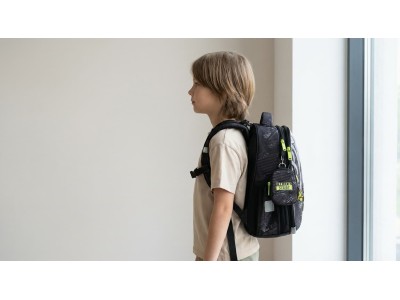
Age and frame matter too. Younger children in primary grades need lighter daily loads and a snug fit that keeps the bag from shifting. Teens carrying laptops and heavier course materials need better shoulder support and a structured back panel. If you are unsure which size suits your child's grade, this guide on choosing the right backpack size by grade covers the key sizing decisions for Canadian school years.
What is IGR certification?
IGR (Institut für Gesundheit und Ergonomie) is an independent German organization focused on health and ergonomics. When a backpack is described as IGR-certified, it means the ergonomic concept has been reviewed against criteria related to fit, comfort, and practical load handling.
That does not mean a backpack becomes "medical equipment." It means the posture and carry logic have been taken seriously enough to go beyond simple marketing language.
In plain language: IGR certification matters because most backpacks are never independently reviewed at all.
Does IGR certification actually matter?
This is the question worth asking directly. The honest answer is: yes, with context.
Most backpacks sold as "ergonomic" have never been evaluated by anyone outside the company that made them. IGR certification means the design has gone through an independent review process. That is a meaningful difference, not just a label.
At the same time, certification alone does not guarantee a perfect fit for every child. A well-certified bag that is the wrong size or worn incorrectly will still cause discomfort. The certification matters most as a starting filter: it tells you the posture and load logic was taken seriously at the design stage. Fit, adjustment, and daily habits do the rest.
For parents comparing ergonomic backpacks in Canada, IGR certification is the strongest independent trust signal currently available on school backpacks. It does not replace trying the bag on, but it narrows the field usefully.
If you are comparing options, you can explore our ergonomic backpacks to see how certified designs differ in real products.
What IGR certification helps verify
Spine-Friendly Fit
Keeps the backpack sitting closer to the body, which helps reduce the feeling of weight pulling backward.
Balanced Load Distribution
Helps spread pressure more evenly instead of concentrating it sharply at one point on the shoulders.
Daily Carry Comfort
Supports repeated real-world use, which matters more than a quick try-on in a store.
How certification evaluation works
Construction & support review
Materials, structure, strap systems, and support logic are evaluated as part of the ergonomic concept.
Fit & anatomical alignment
Back panels, shoulder straps, and stabilizing elements are reviewed for how they interact with the body.
Load distribution logic
The design is checked for how it manages weight placement, balance, and everyday carrying comfort.
How Kite backpacks align with ergonomic priorities
Orthopedic Back Systems
- Structured back panels for support
- Designed for better spine alignment
- Useful in daily school carry routines
S-Shaped Padded Straps
- Contoured for shoulder comfort
- Wide padded contact area
- Helps reduce pressure concentration
Weight Stabilization
- Internal organization helps center load
- Support features keep the bag more stable
- Better for heavier school-day packing
Official resources and references
IGR-Certified Models
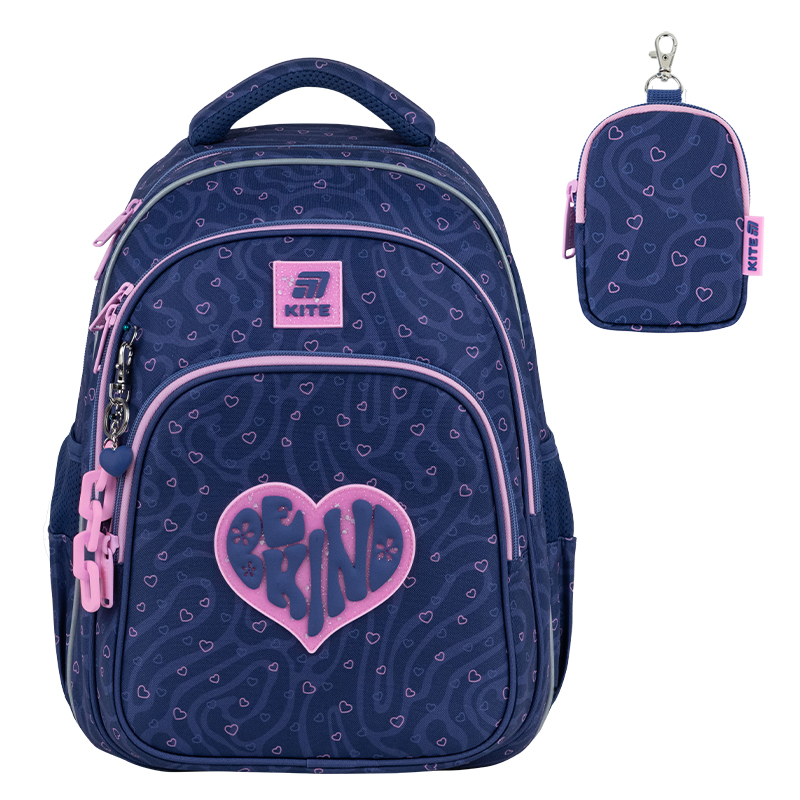
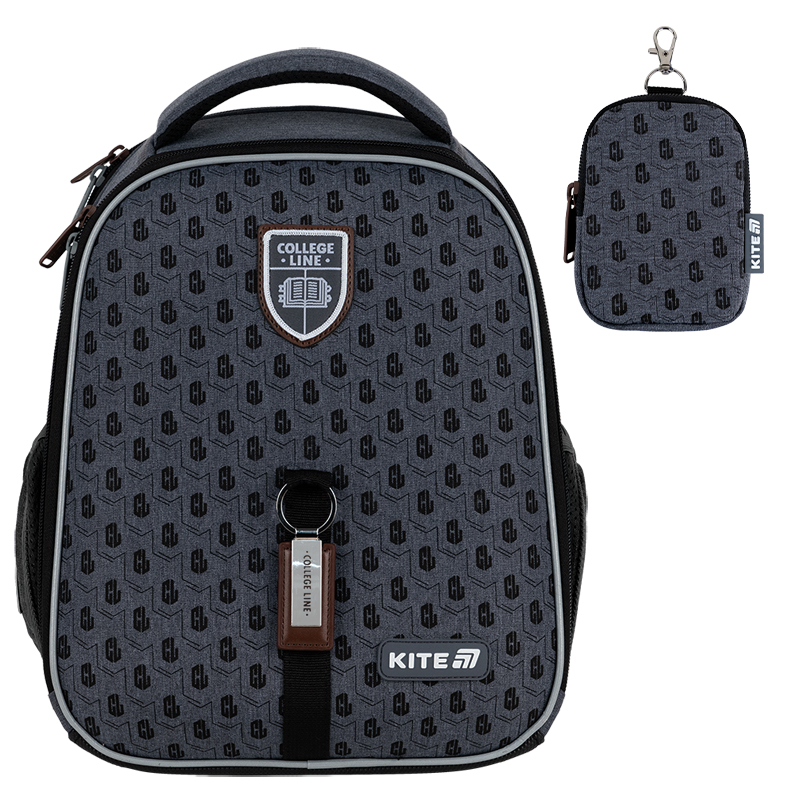
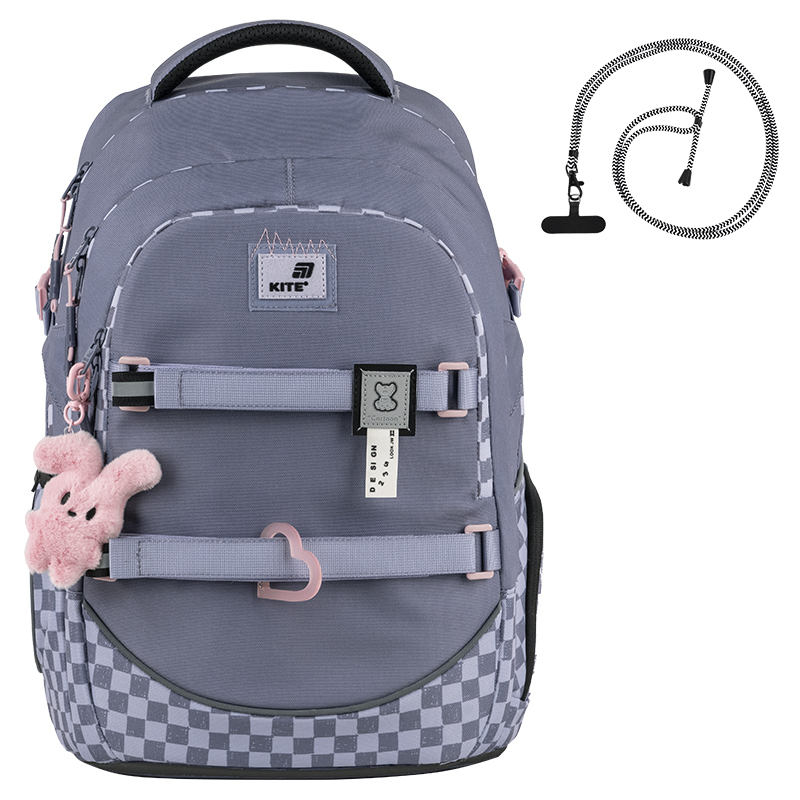
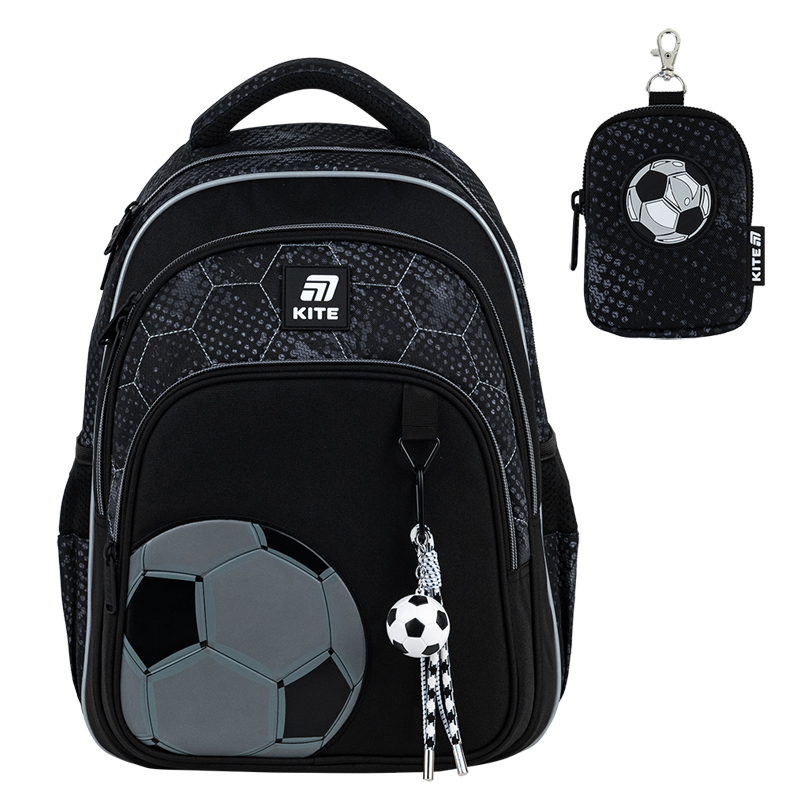
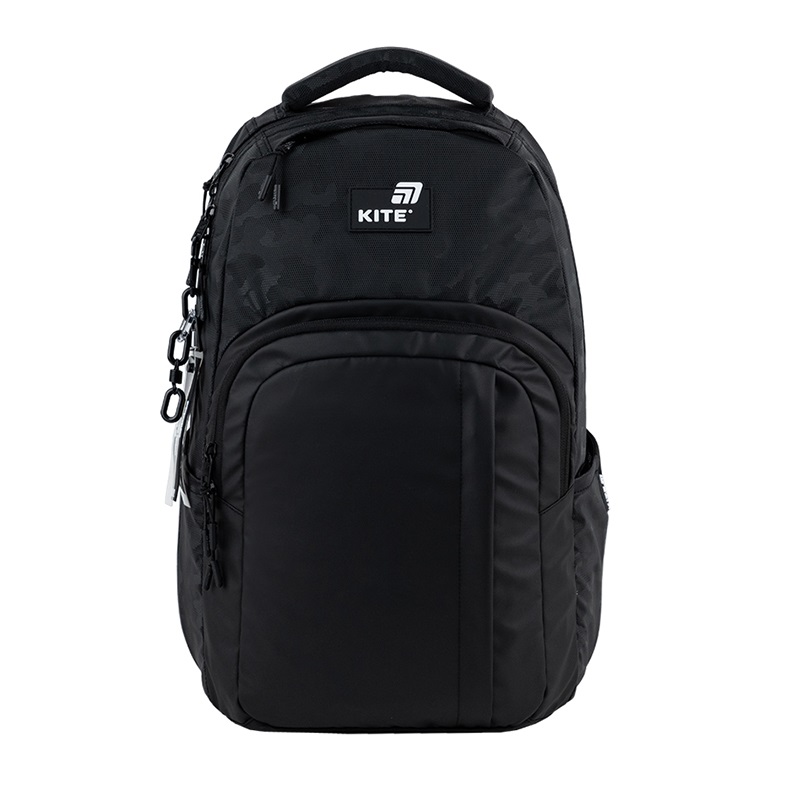
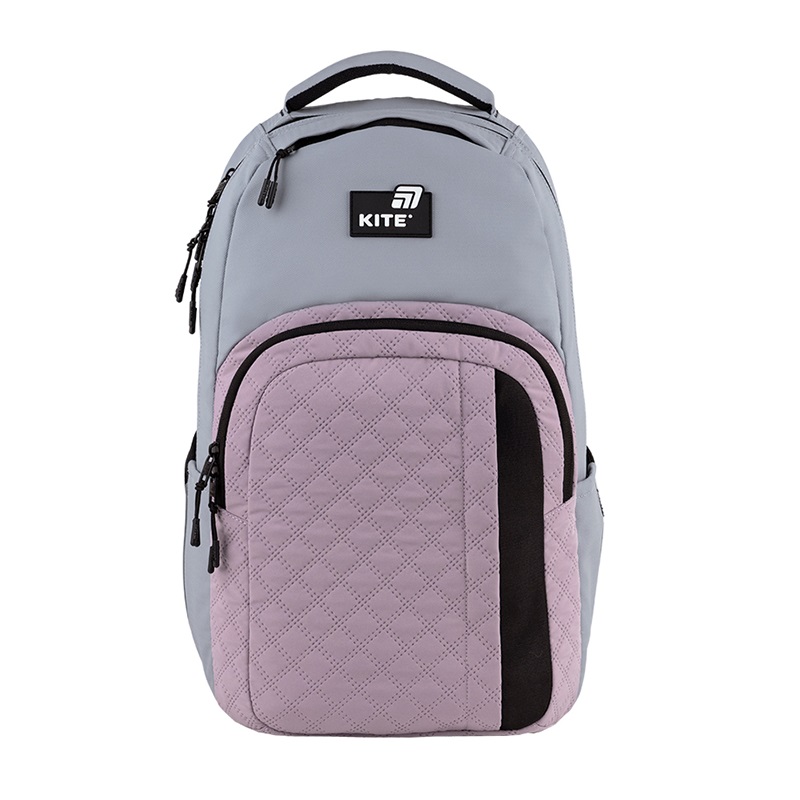
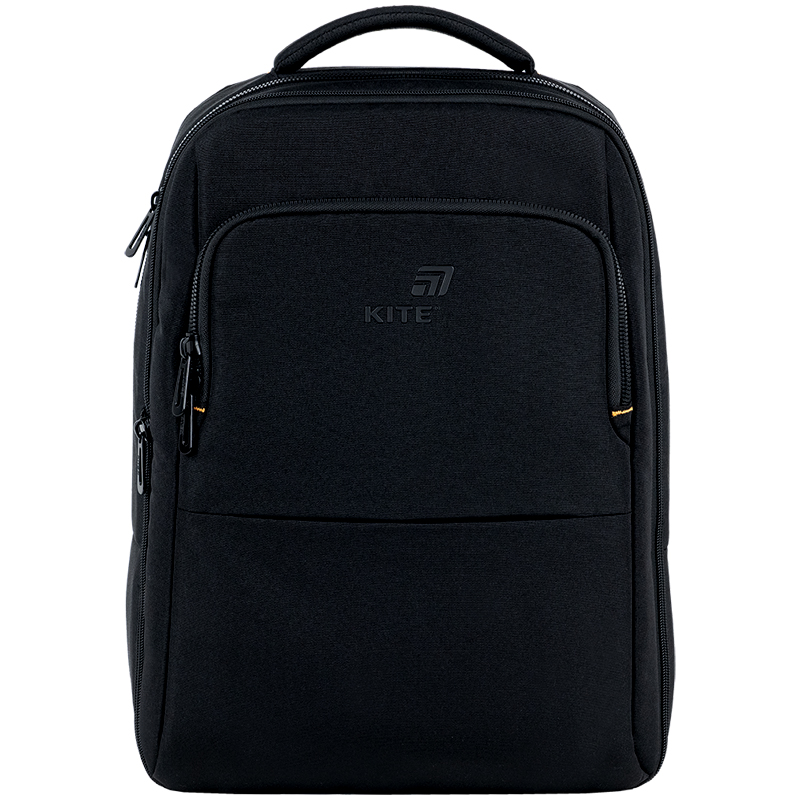
The gallery is clickable: each card opens the product page.
Frequently Asked Questions
What does IGR-certified mean on a backpack?
It means the ergonomic design has been independently reviewed by the German Institute for Health and Ergonomics, rather than relying only on brand marketing claims.
Is an IGR-certified backpack better than a regular backpack?
Not every regular backpack is poorly designed, but IGR certification adds an extra layer of trust because the ergonomic concept has been independently evaluated for comfort and load distribution.
Do kids need an ergonomic backpack?
For many children, yes. Especially when they carry books, lunch, water bottles, and extra layers every school day. Ergonomic design matters more as daily load and routine increase.
Is IGR certification worth paying attention to?
Yes. It does not mean a backpack is perfect for every child, but it is a stronger signal than generic "ergonomic" marketing language with no independent review behind it.
Are IGR-certified backpacks relevant for teens and adults too?
Yes. Teens, college students, and adults carrying laptops and commuting gear can all benefit from better fit and more balanced daily load handling.
Where can I buy IGR-certified backpacks in Canada?
You can buy IGR-certified backpacks in Canada from retailers that carry independently certified ergonomic models, including mykite.ca. Browse the full range in our ergonomic backpacks section.
Bottom line: IGR certification is a meaningful trust signal.
It does not replace proper fit, but it tells you the backpack's posture and comfort logic has been independently taken seriously. For parents choosing ergonomic backpacks in Canada, that is the strongest external verification currently available on school bags.
Browse our ergonomic backpacks or explore all school backpacks to compare options by age, size, and use.

-400x300.webp)





Write a comment