




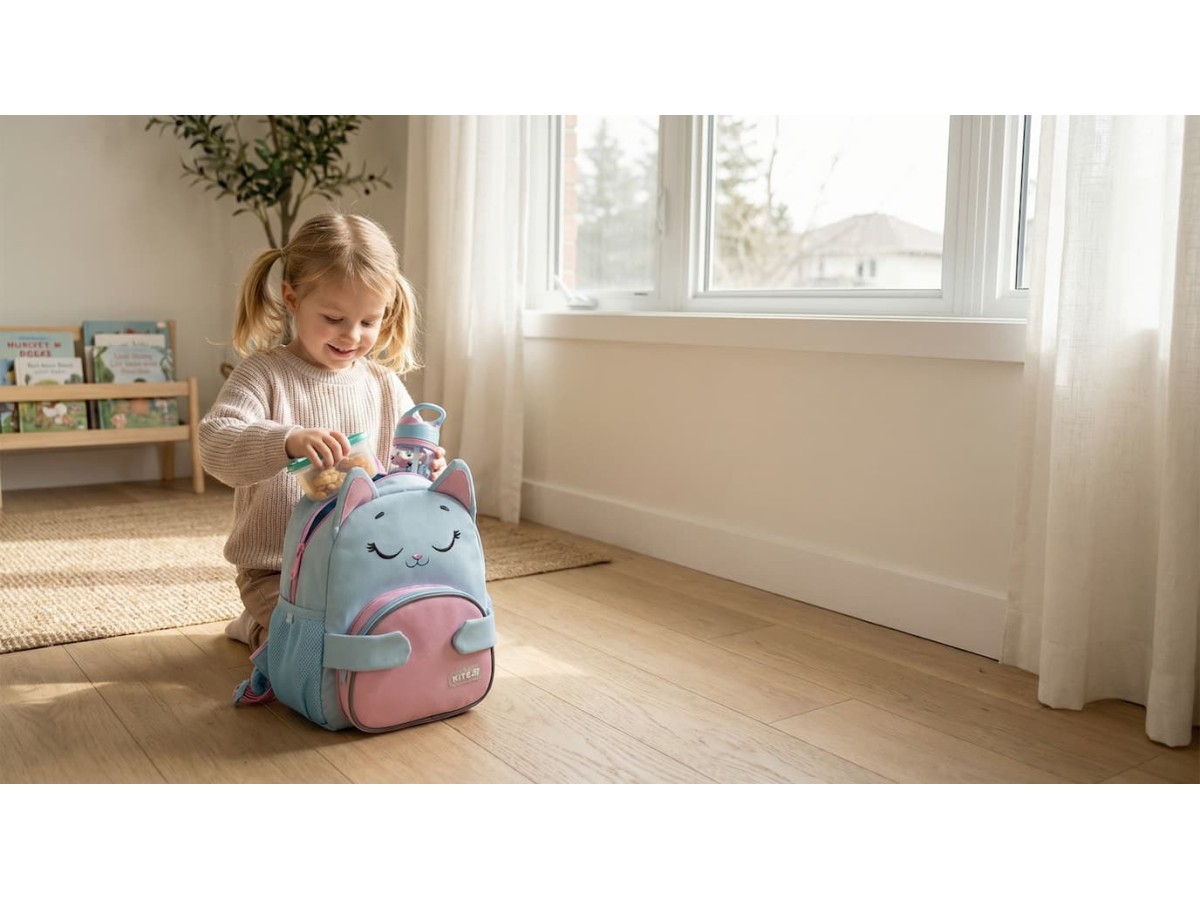
Many parents wonder whether preschoolers are ready for backpacks — and if so, what to look for. Is it too early? Could it affect posture? Do young children even need one?
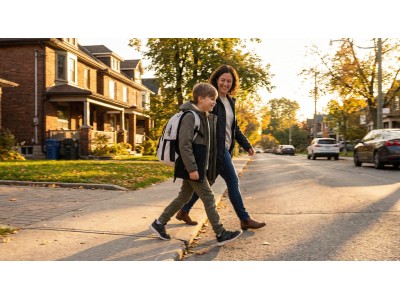
For preschoolers, a small, properly fitted backpack isn’t about carrying weight. It’s about helping children participate in simple routines like bringing a snack to daycare or carrying a comfort item on outings.
Do Preschoolers Really Need Backpacks?
Not every preschooler needs a backpack — and that’s okay. Some children are perfectly fine using cubbies, labeled bins, or hooks at daycare. Others enjoy having their own small bag for short outings or activities.
Child development specialists note that ages 2–5 are when children begin practicing responsibility through simple tasks: carrying belongings, putting items away, and following daily routines. A small backpack can support these habits when used appropriately.
If your child uses one, keep loads minimal (ideally under 1–2 lbs total) and reserve backpacks for light items like snacks, water bottles, or spare clothing.
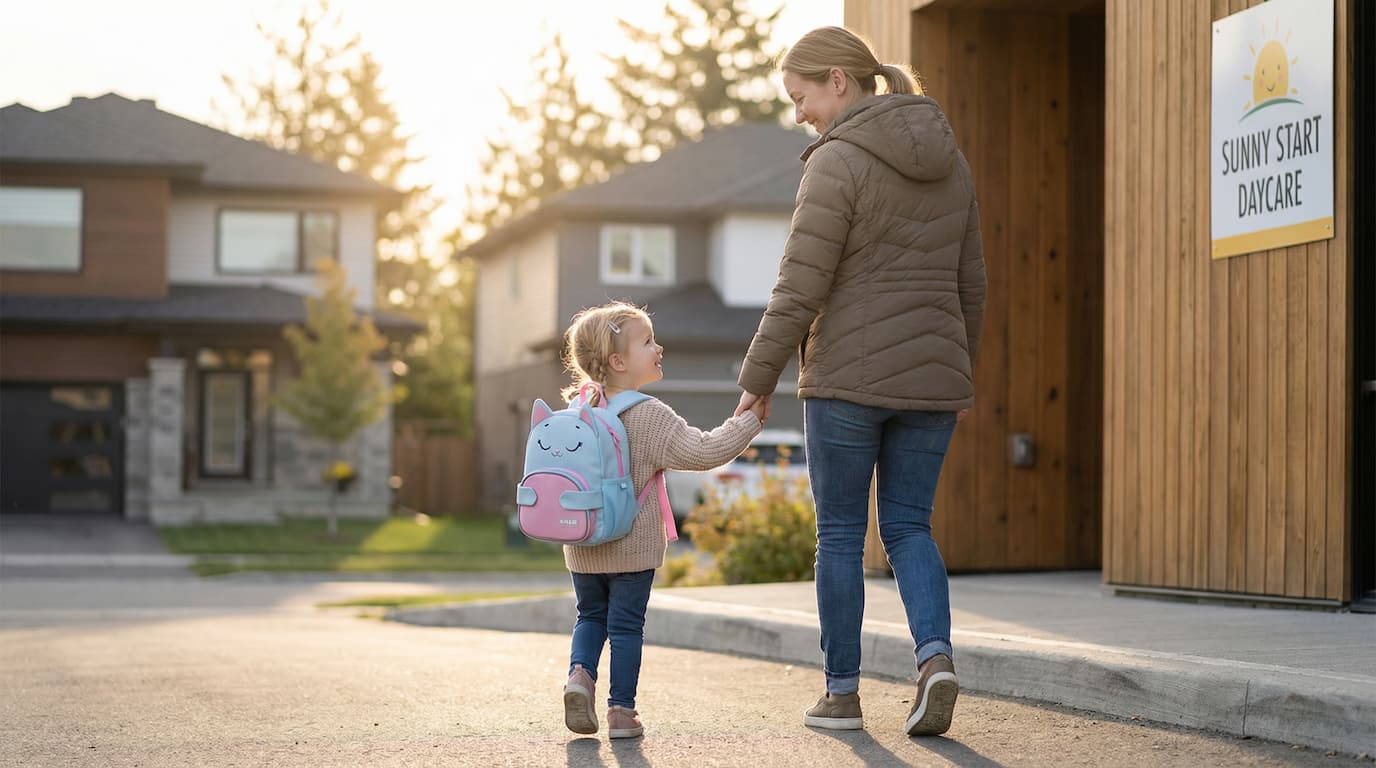
Safety Features to Look For
- Lightweight construction
- Soft, adjustable shoulder straps
- Flexible back panel
- Secure closures
- Simple compartments
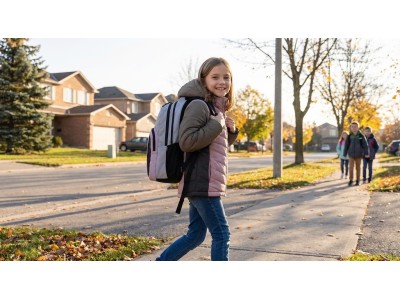
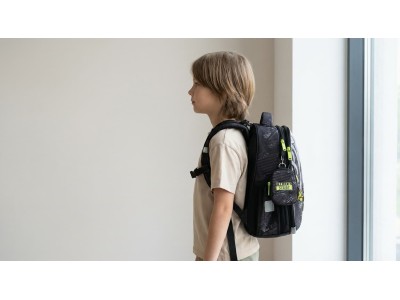
Comfort and fit matter far more than capacity. The backpack should sit high on the back and never hang low or pull the shoulders backward.
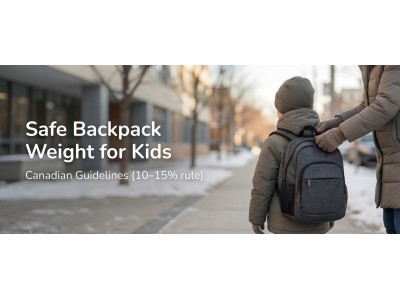
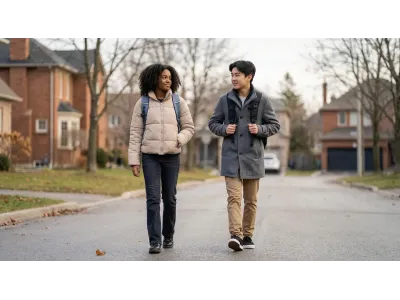
The American Academy of Pediatrics recommends keeping backpacks below 10–15% of body weight for school-age children. For preschoolers, staying well below that range — under 1–2 lbs — is safest.
If you’d like help understanding backpack sizing as children grow, this guide explains grade-based fit: Backpack Size by Grade (Canada)
Where Preschoolers Typically Use Their Backpack
Small backpacks are most useful for daycare, playground visits, family outings, sports activities, or short trips. They give children a place for personal belongings while keeping hands free.
What Preschoolers Usually Carry
- A favorite toy or comfort item
- Snacks or juice boxes
- Water bottles
- Extra socks or gloves
- Tissues or napkins
Letting children choose one or two items encourages simple decision-making and helps them feel involved in daily routines.
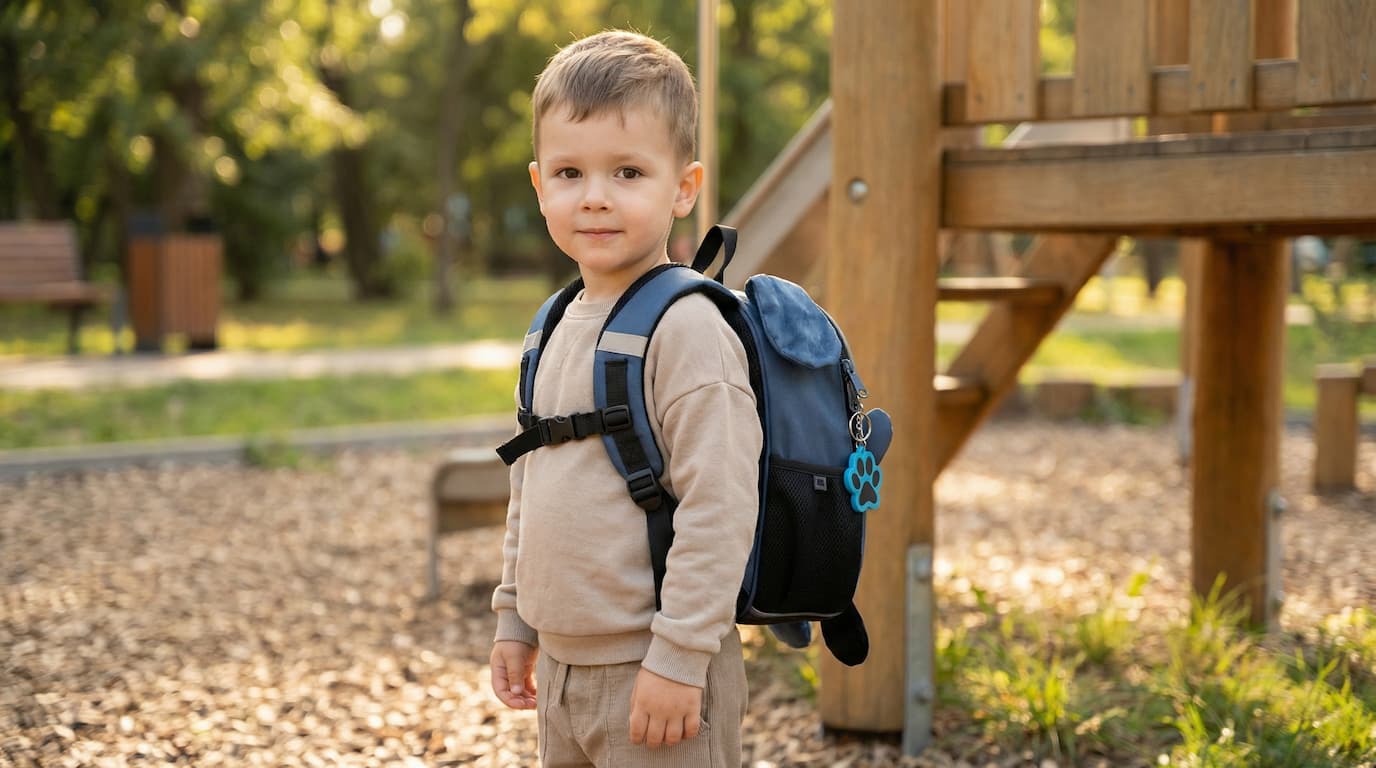
How First Backpacks Support Early Habits
A small backpack won’t teach responsibility on its own — but it can help reinforce everyday habits when paired with gentle guidance.
- Hands-free movement during play
- Simple responsibility for personal items
- Routine-building (packing and unpacking)
- Imitation — children naturally mirror adult behavior
These moments — zipping a pocket, remembering where things belong — are part of learning independence.
A Note on Waist Bags
Some children enjoy waist bags for short outings. They can hold tiny items and keep hands free. Unlike backpacks, waist bags don’t have loose shoulder straps, which can make them safer for playground climbing.
They’re optional and primarily for fun — not a developmental necessity.
When to Wait (and That’s Okay)
If your child resists wearing a backpack, prefers using cubbies, or doesn’t need to carry anything — there’s no rush. Alternatives like hooks, bins, or labeled shelves work just as well at this age.
Every child develops routines differently. The goal isn’t the bag — it’s building confidence through small, everyday tasks.
Final Thoughts
Preschool backpacks are tools, not requirements. When lightweight and properly fitted, they can help children participate in routines and care for their belongings — without placing physical strain on growing bodies.
Used thoughtfully, first backpacks become part of learning independence, one small step at a time.

Write a comment