




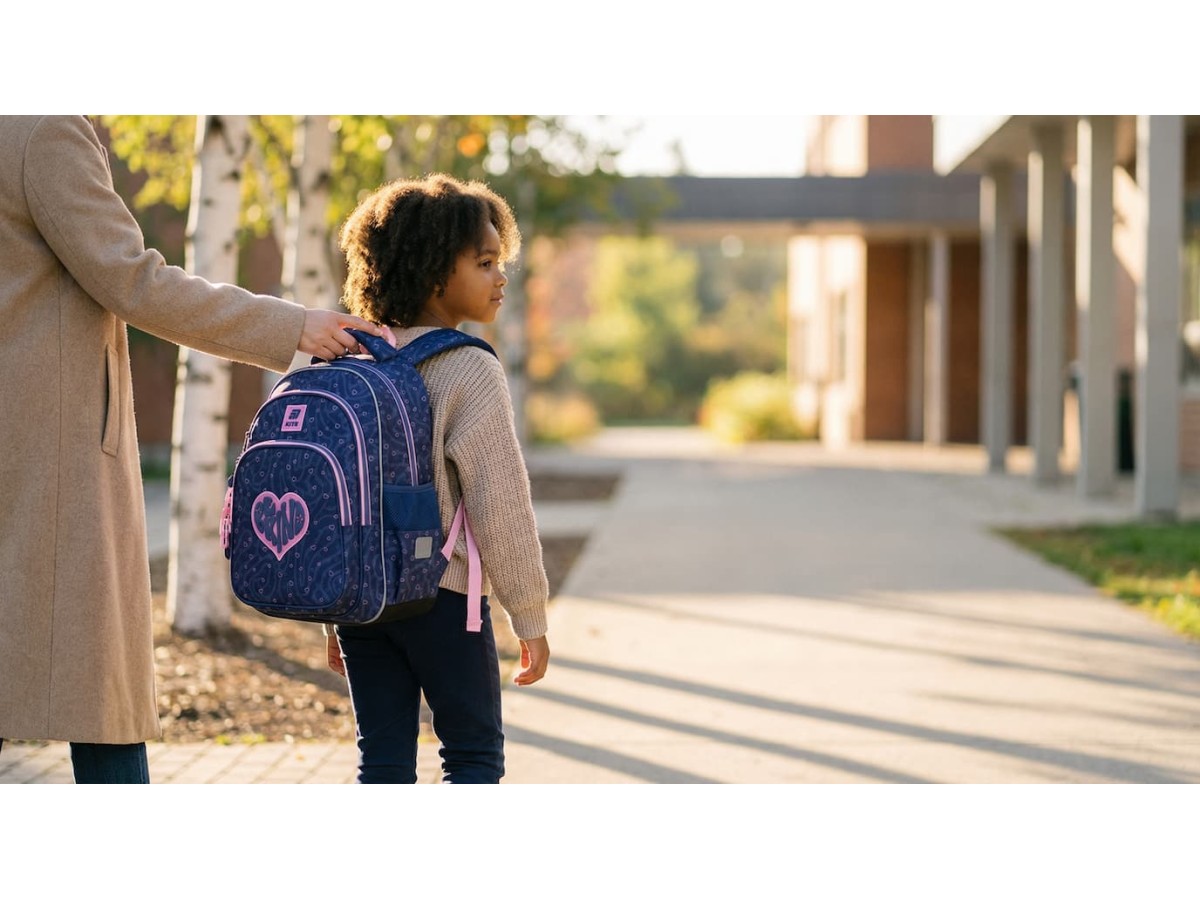
Choosing a school backpack isn’t just about colors or compartments — it directly affects your child’s posture, comfort, and daily well-being. Many parents don’t realize that an overloaded or poorly fitted backpack can quietly contribute to back discomfort, shoulder strain, and forward-leaning posture, especially during the early school years.
If you’ve ever wondered whether your child’s backpack is too heavy, sitting too low, or pulling their shoulders forward, you’re not alone. Below are 8 practical, parent-friendly guidelines based on pediatric ergonomics to help support growing spines and make everyday school life more comfortable.
Why Backpack Ergonomics Matters
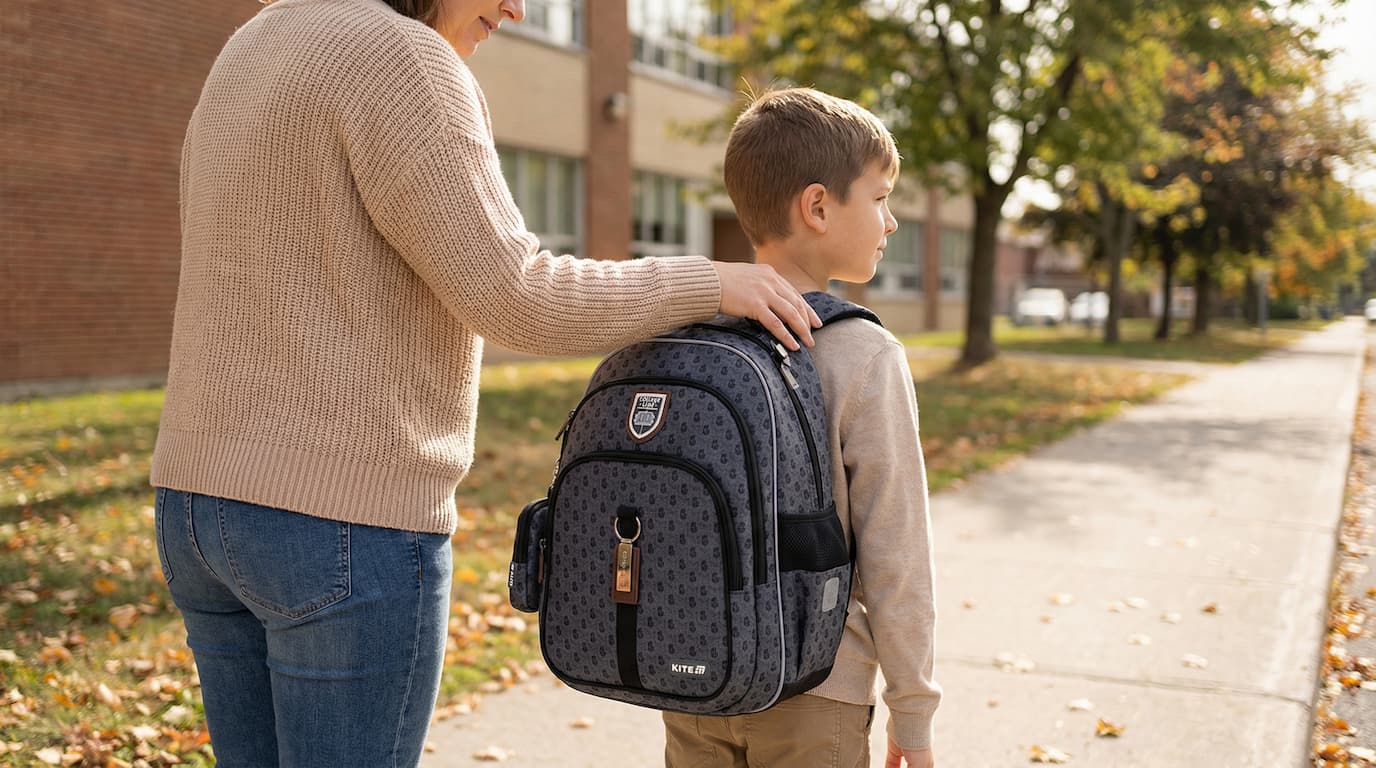
Research published in pediatric health journals shows that excessive backpack weight and improper fit can contribute to forward head posture, muscle strain, and back discomfort in children ages 5–14. Heavy loads may also alter walking patterns and increase fatigue.
According to the :contentReference[oaicite:0]{index=0}, backpacks should be worn on both shoulders, fit snugly against the back, and stay within safe weight limits. Similar guidance is echoed by the :contentReference[oaicite:1]{index=1}.
Rule #1 — Keep Backpack Weight Under 10–15% of Body Weight
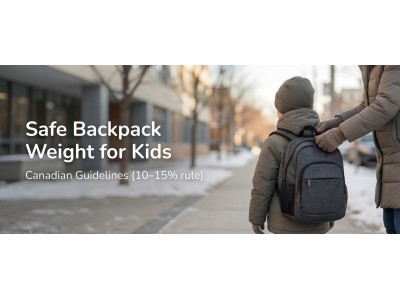
The American Academy of Pediatrics recommends keeping a fully loaded backpack below 10–15% of a child’s body weight, with younger children closer to the 10% limit.
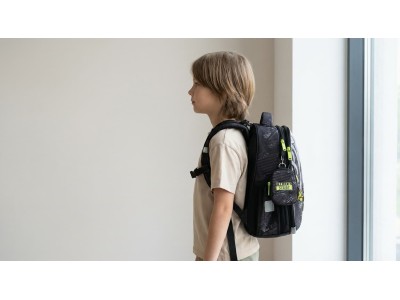
If your child noticeably leans forward while standing, the backpack may be too heavy or incorrectly fitted.
For detailed numbers by age, see our educational guide: Safe Backpack Weight for Kids
Rule #2 — Choose a Firm, Padded Back Panel
The back panel should be structured (not floppy) and padded to follow the natural curve of the spine. This helps keep books close to the body and reduces leverage on shoulders and lower back.
Breathable mesh padding can also improve comfort and help straps stay properly adjusted.
Rule #3 — Look for Wide, Contoured Shoulder Straps
Straps should be at least 5 cm wide and gently contoured. Narrow straps can dig into the shoulders and restrict circulation. Adjustable straps are essential as children grow.
Rule #4 — Use Chest and Waist Straps for Stability
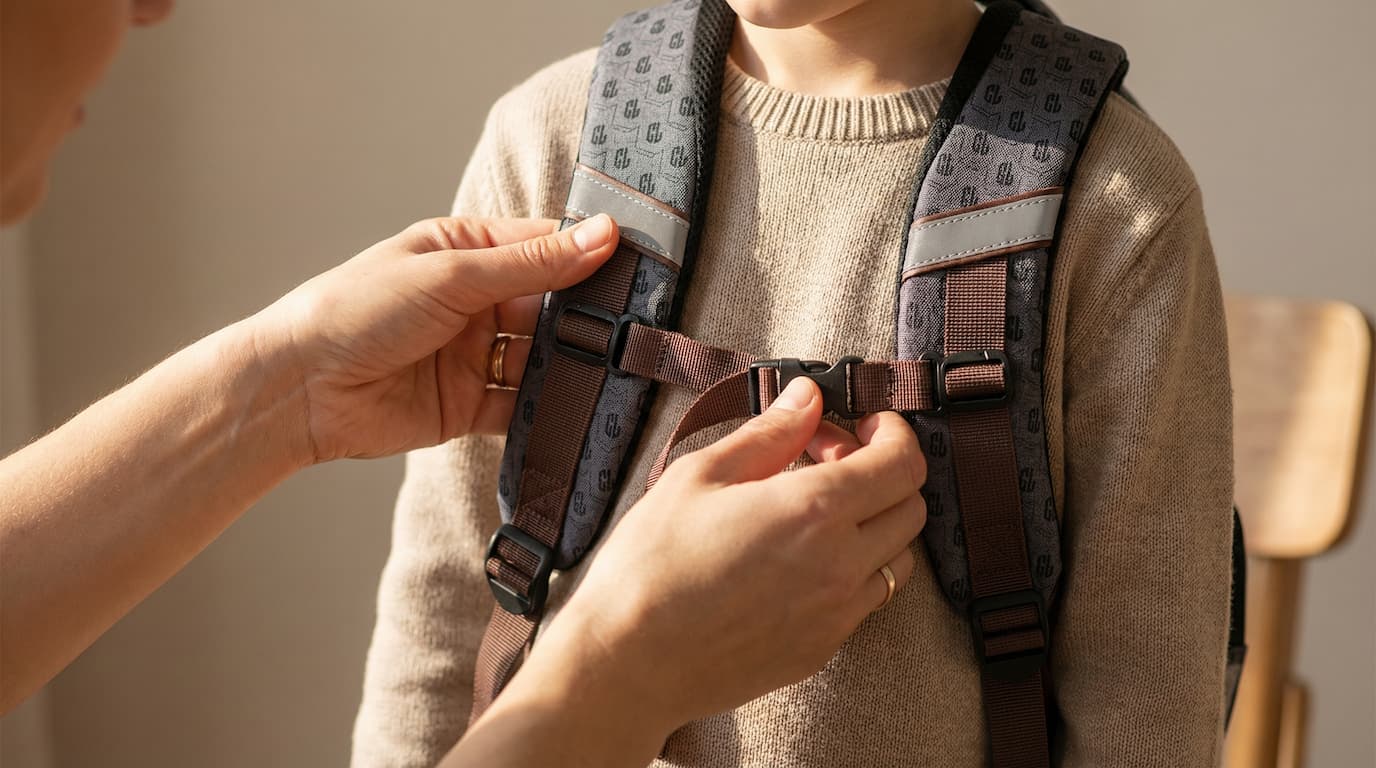
A sternum (chest) strap helps keep shoulder straps from sliding off narrow shoulders, especially in younger children or winter clothing.
For heavier loads, waist or hip belts can transfer a significant portion of weight to the pelvis, helping reduce shoulder strain.
Rule #5 — Pack Heavy Items Closest to the Back
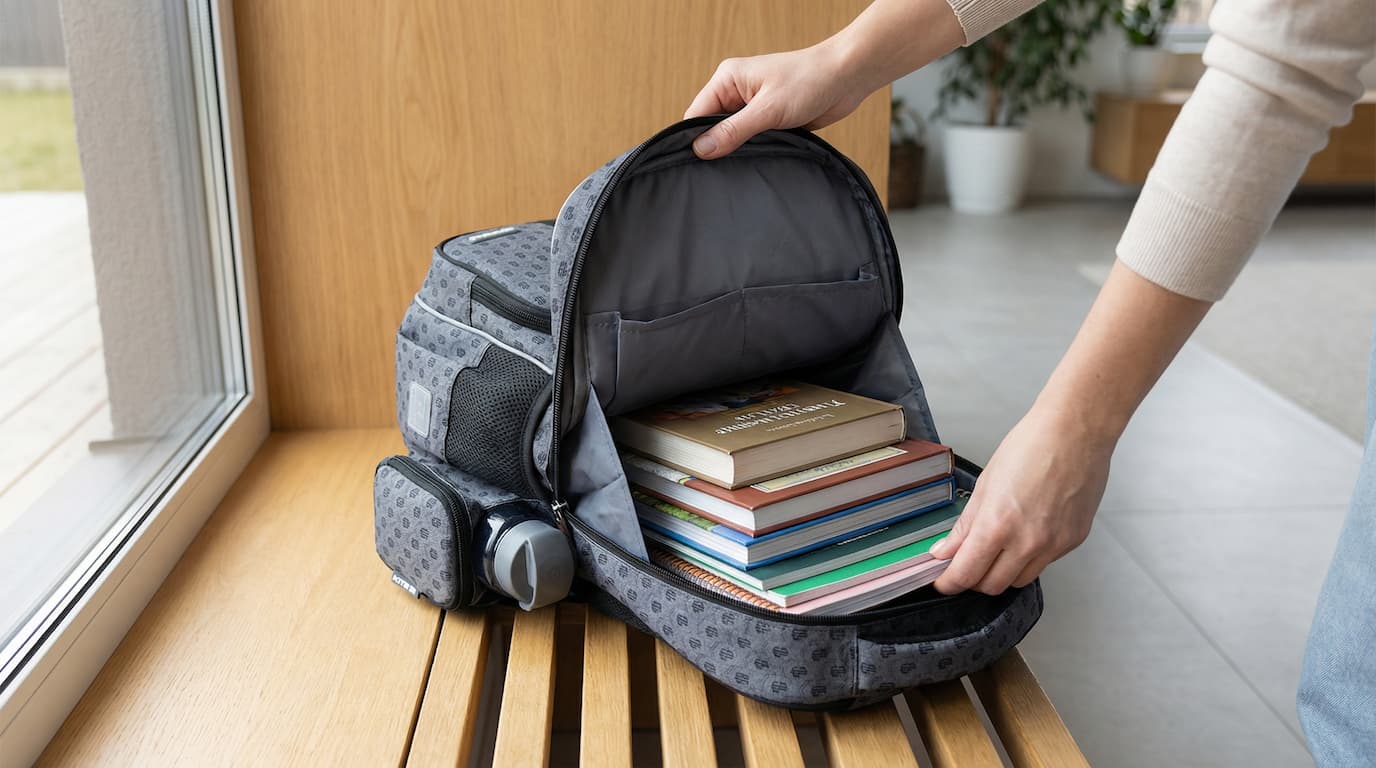
Textbooks and laptops should sit against the back panel. Lighter items go outward. This keeps the center of gravity close to the body and reduces spinal stress.
Multiple compartments help prevent contents from shifting during movement.
Rule #6 — Choose the Right Size for Your Child’s Grade
Oversized backpacks encourage overpacking, while undersized bags force awkward stacking of books.
For practical sizing by school level, see: Backpack Size by Grade (Canada)
Rule #7 — Teach Proper Wearing Habits
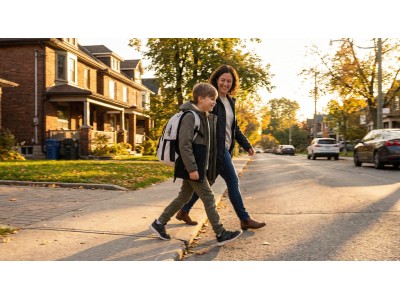
- Always use both shoulder straps.
- Fasten the chest strap when available.
- Avoid carrying on one shoulder.
One-strap carrying can contribute to temporary spinal asymmetry and uneven muscle engagement.
Rule #8 — Put On and Take Off the Backpack Safely
Teach children to lift backpacks from a table or chair instead of swinging them up from the floor. This reduces twisting strain on the spine.
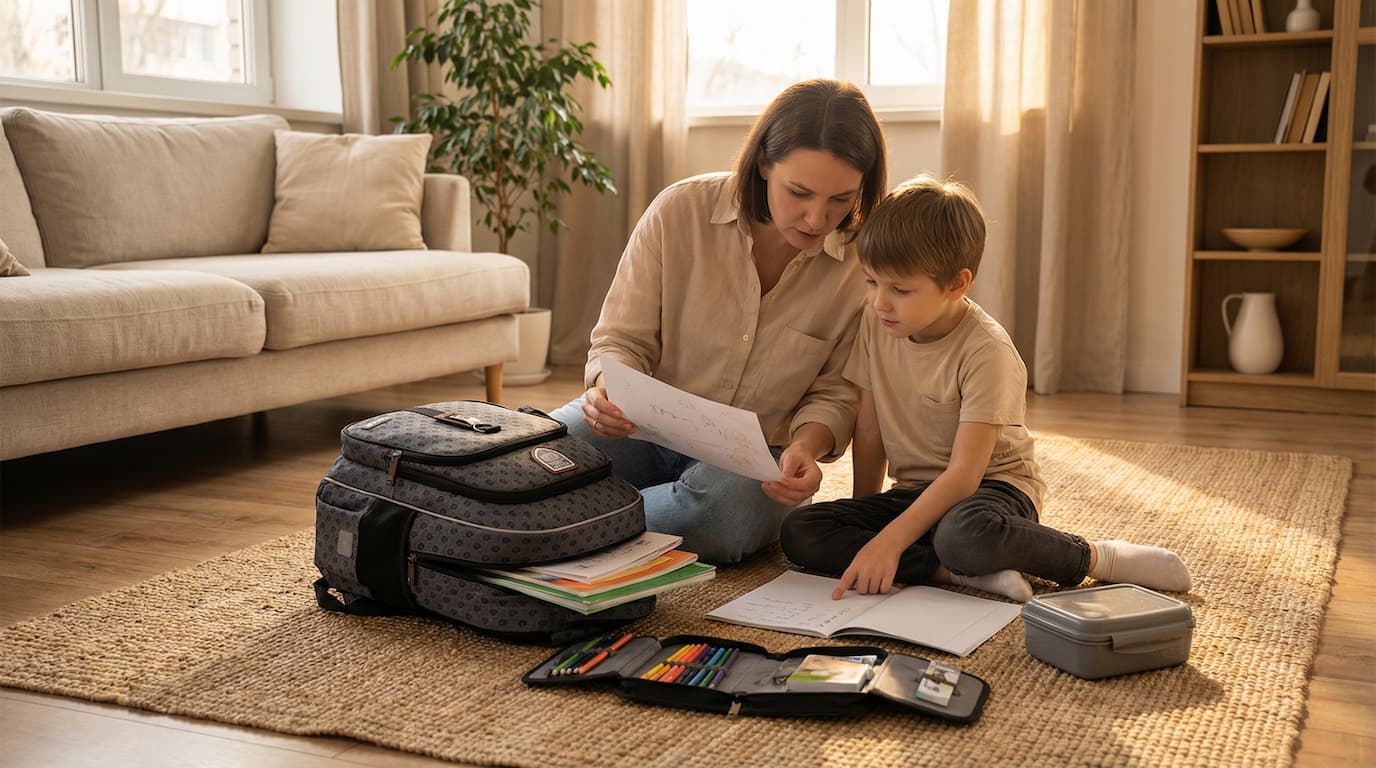
Weekly clean-outs also help remove unnecessary “dead weight” that often adds several pounds without parents noticing.
Supporting Healthy Growth Habits
Children’s torso length changes significantly during elementary years, so backpack fit should be reassessed annually. Along with proper fit, daily habits — packing thoughtfully, wearing both straps, and keeping loads reasonable — play a major role in protecting posture.
Proper backpack fit and wearing habits help support your child’s comfort and confidence throughout the school year.

-400x300.webp)


Write a comment