




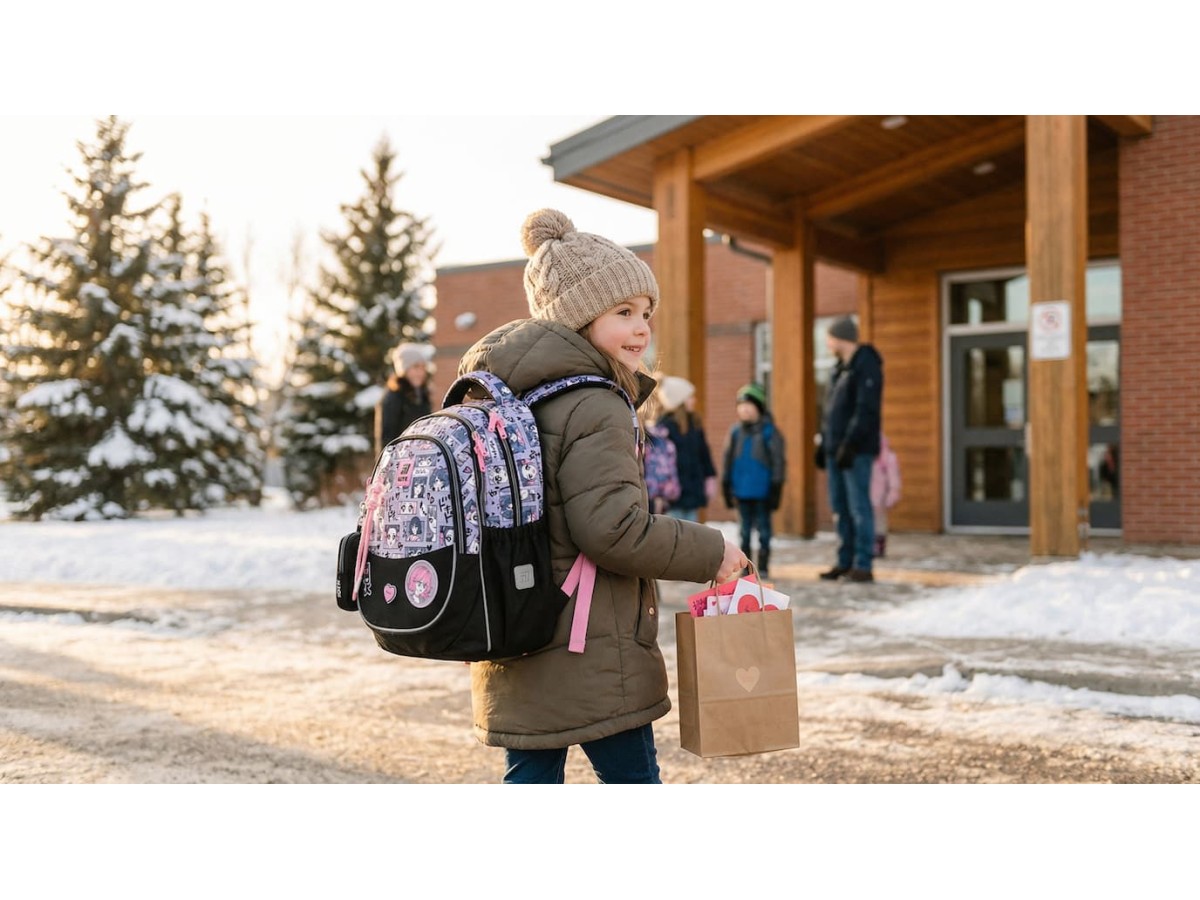
Valentine’s Day in Canada: Simple School Traditions & DIY Ideas for Families
In Canada, Valentine’s Day at school is usually not about big gifts — it’s about a simple classroom card exchange. Kids bring valentines for classmates, teachers set basic rules, and parents try to keep it easy, respectful, and mess-free. This guide is built for real Canadian school routines (Toronto, Vancouver, Montreal — same vibe), including common no-food / nut-free policies and practical tips for packing valentines so they survive the commute.
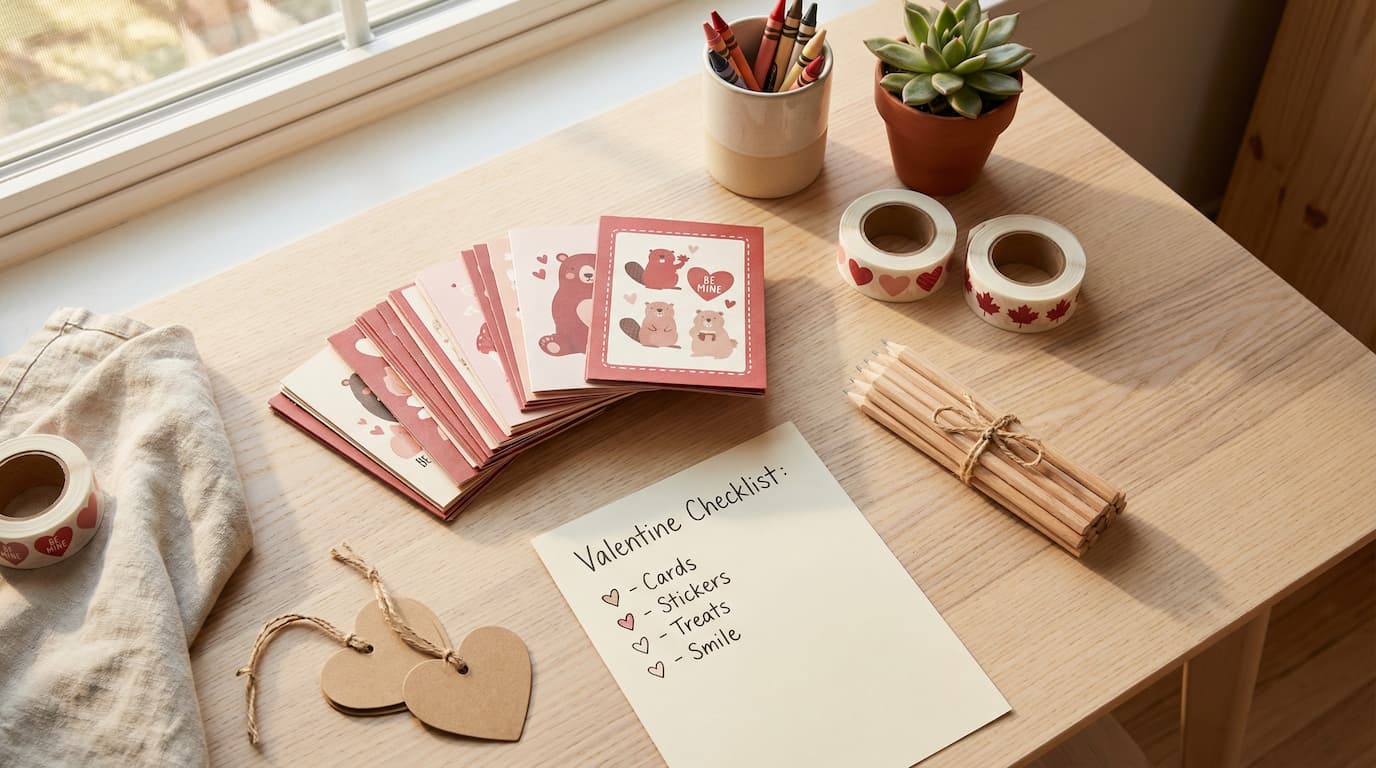
1) What to expect in Canadian schools
- Most classes exchange cards (often everyone gets one, to keep it inclusive).
- Many schools prefer non-food valentines (and some ban candy completely).
- Nut-free rules are common — even “may contain” labels can be a problem.
- Small + simple wins: cards, stickers, pencils, bookmarks, tiny crafts.
If you want your child’s backpack and daily school routine to feel smoother year-round, this connects nicely with your broader “school-ready” prep approach — start with your guide on after-school routines (it helps parents reduce the daily chaos without buying anything extra).
2) Quick checklist (so you don’t overthink it)
- Ask teacher: how many cards? (class list size)
- Choose: non-food item (or just cards)
- Pick a “safe message” (examples below)
- Pack cards flat so they don’t get crushed
- Keep everything light (school day already has enough weight)
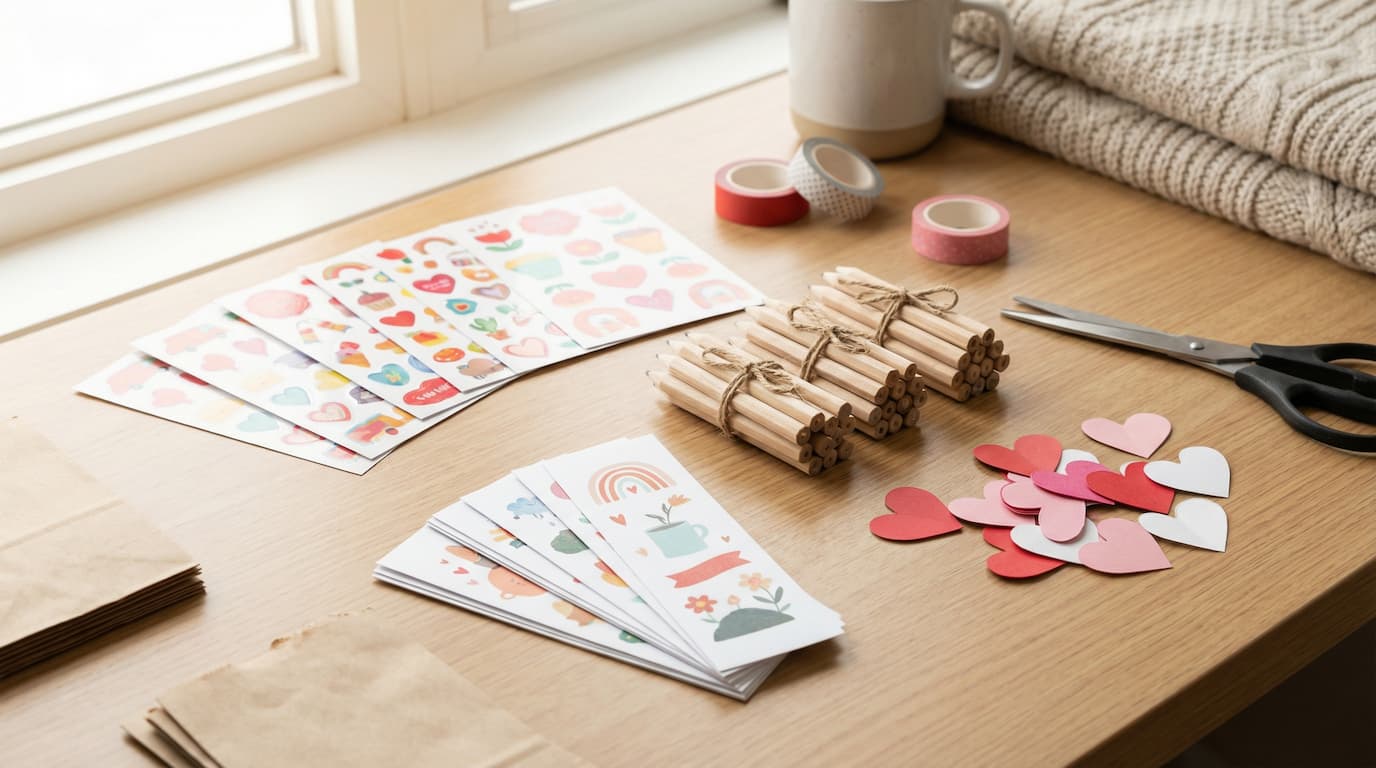
3) Nut-free, non-food valentine ideas (Canadian-friendly)
With many Canadian classrooms moving toward non-food valentines, these are the easiest options:
- Stickers (small sheet, flat packaging)
- Mini pencils or erasers
- Bookmarks
- Paper “heart” tags tied to the card
- One tiny charm (DIY) that won’t break in a backpack
February in Canada is often cold and grey — so a bright, simple valentine that survives the school day can feel like a small mood boost. The key is: small, durable, and classroom-safe.
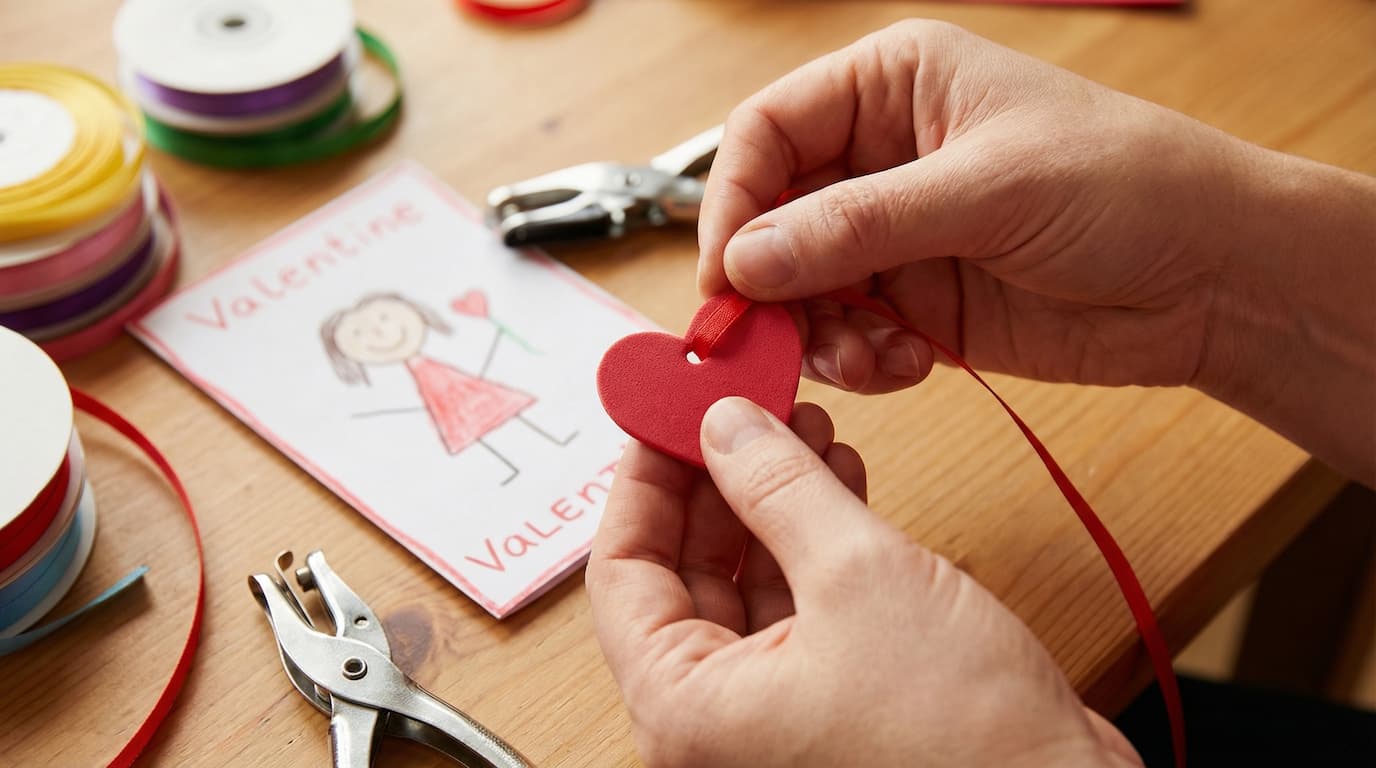
4) Simple DIY: Foamiran heart charm (fast + durable)
Foamiran is perfect for school valentines because it’s soft, durable, and won’t crush easily inside a backpack. A small heart charm stays intact on the commute — which is exactly what parents need.
- Cut a small heart shape (about 4–5 cm wide).
- Add a second heart layer for thickness (optional).
- Write a tiny message with a marker (“You’re awesome!”).
- Punch a hole and tie to the card with a short ribbon.
- Keep it flat — no bulky decorations.
5) Packing tip: keep valentines flat (no crushed cards)
The #1 reason valentines look messy by the end of the day is simple: they get bent in backpacks. The fix is also simple: pack outgoing cards in a flat folder or a rigid sleeve, and place it against the back panel so it stays straight.
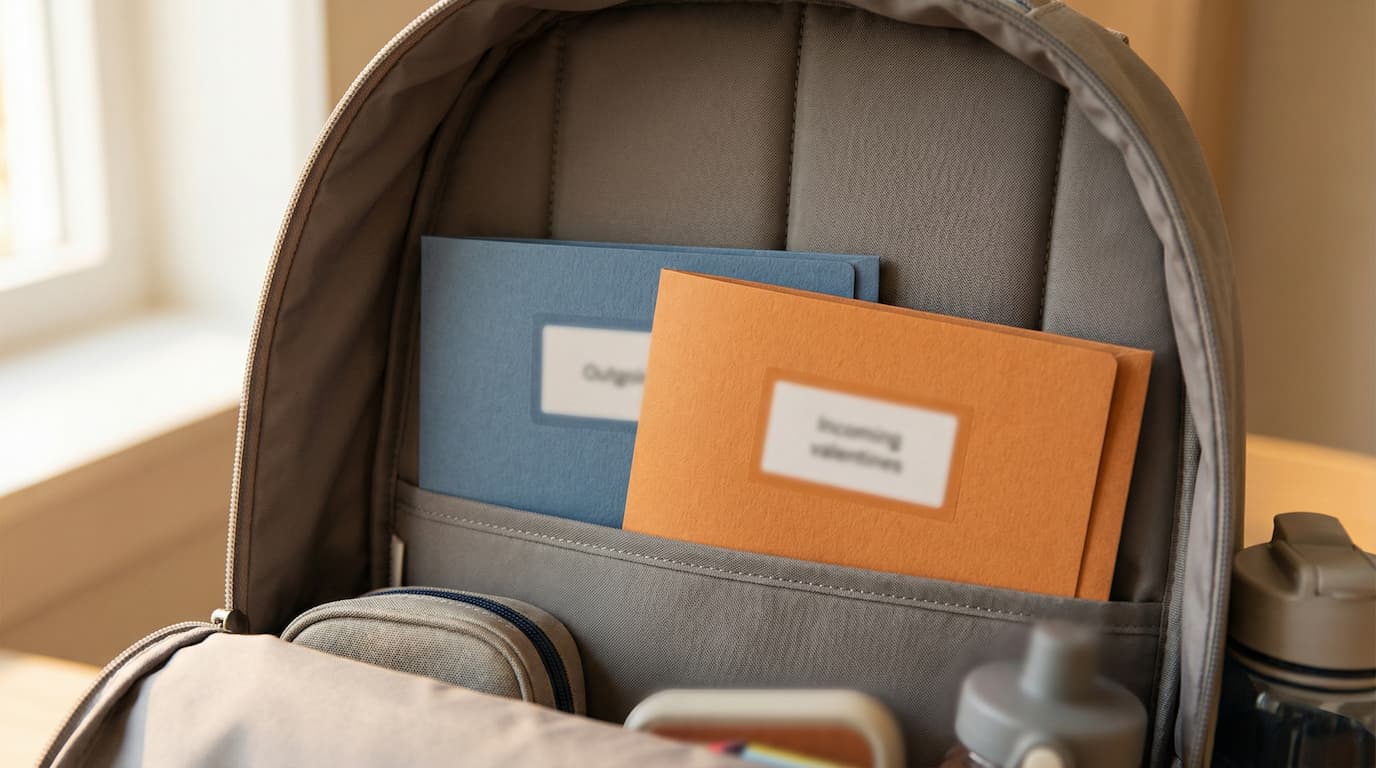
If you want to make backpack comfort part of your family’s routine (not just Valentine’s), your sizing hub helps parents a lot: Backpack size by grade (Canada). It keeps the focus on fit and daily comfort — not “bigger is better.”
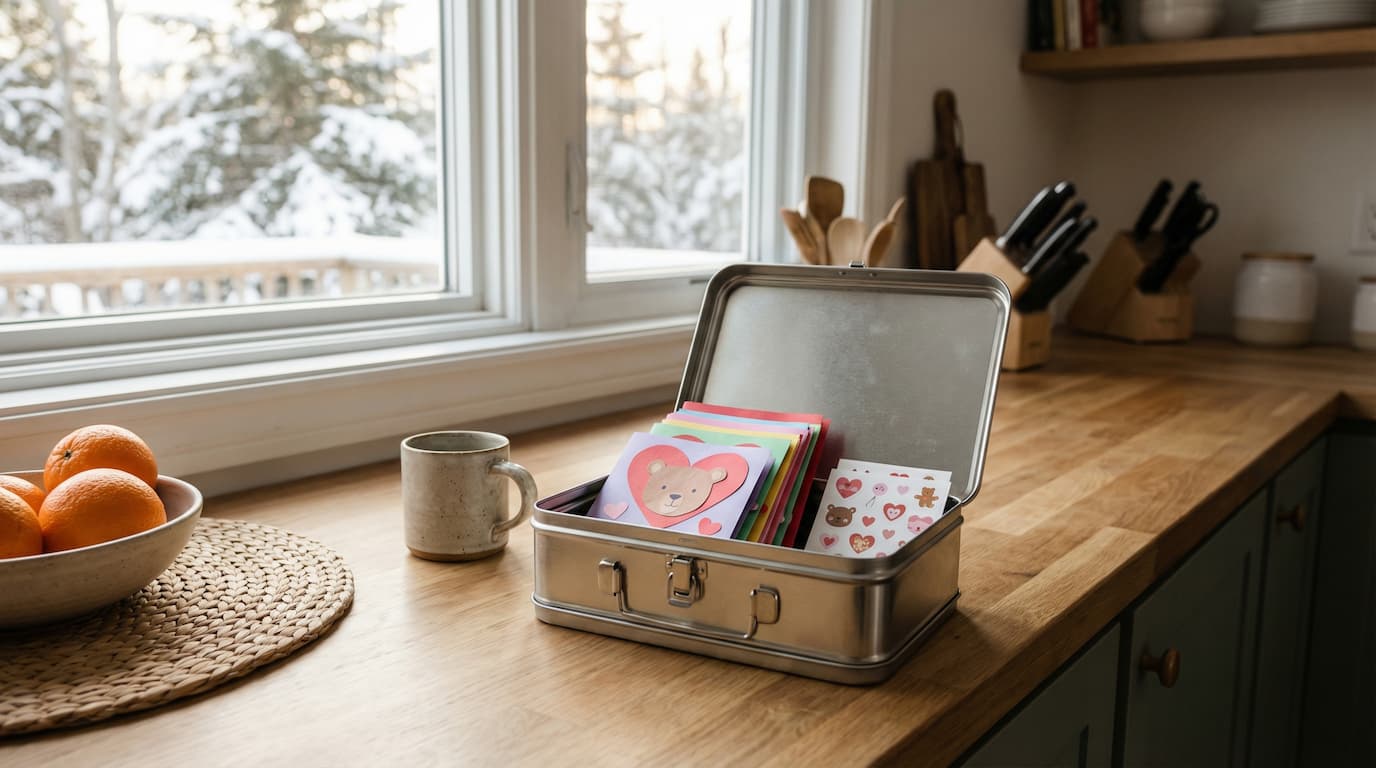
6) What to write on classroom valentines (safe + simple)
- “Happy Valentine’s Day!”
- “You’re a great classmate!”
- “Thanks for being kind.”
- “You’re awesome!”
- “Have a great day!”
7) A small, practical note for parents
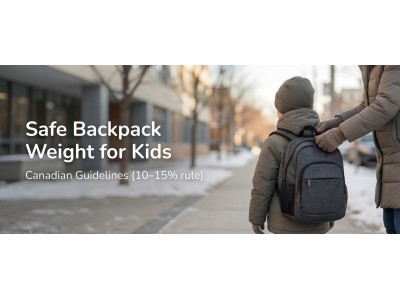
If you’re sending anything other than paper cards, keep it small and light. School bags already carry enough. (If you’re reviewing your child’s daily carry, it’s worth checking your own guide on safer loads and habits: safe backpack weight for kids (Canada).)
Conclusion
Valentine’s Day at school in Canada works best when it’s simple: inclusive cards, non-food options, and packing that doesn’t turn into a mess by 3pm. Add one durable DIY touch if you want — and let the day stay light, warm, and easy for kids.



Write a comment