




What Makes a Backpack Truly Orthopedic?
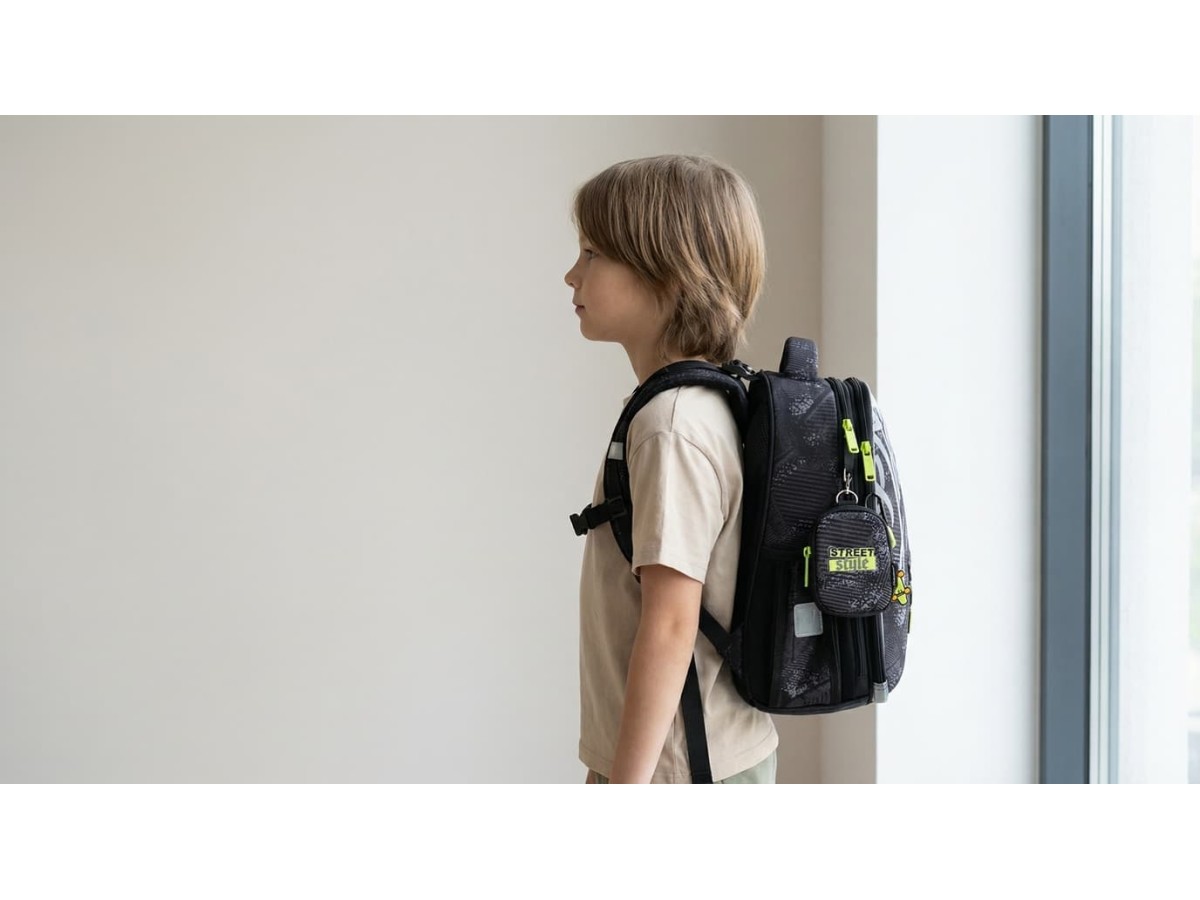
An orthopedic backpack is designed to support the natural alignment of the spine and reduce strain on the back, shoulders, and neck during daily use. Unlike standard backpacks that focus mainly on storage or appearance, orthopedic backpacks prioritize posture, weight distribution, and long-term comfort.
The term “orthopedic” is often used loosely, but not every backpack labeled as orthopedic actually meets biomechanical criteria. Understanding what truly makes a backpack orthopedic helps parents and students choose safer options for everyday school use.
Orthopedic vs. Ergonomic Backpacks: What’s the Difference?
The terms ergonomic and orthopedic are closely related but not identical.
- Ergonomic backpacks focus on comfort, fit, and ease of use to reduce fatigue.
- Orthopedic backpacks focus specifically on spinal alignment and reducing biomechanical stress during prolonged carrying.
In practice, the most effective backpacks combine ergonomic comfort with orthopedic structural support that helps maintain the spine’s natural S-curve under load.
Core Features of a Truly Orthopedic Backpack
1. Structured Back Panel
An orthopedic backpack includes a firm but flexible back panel that follows the anatomical S-curve of the spine. This structure prevents the backpack from collapsing or pulling away from the body, reducing forward lean and spinal compression.
2. Proper Weight Distribution
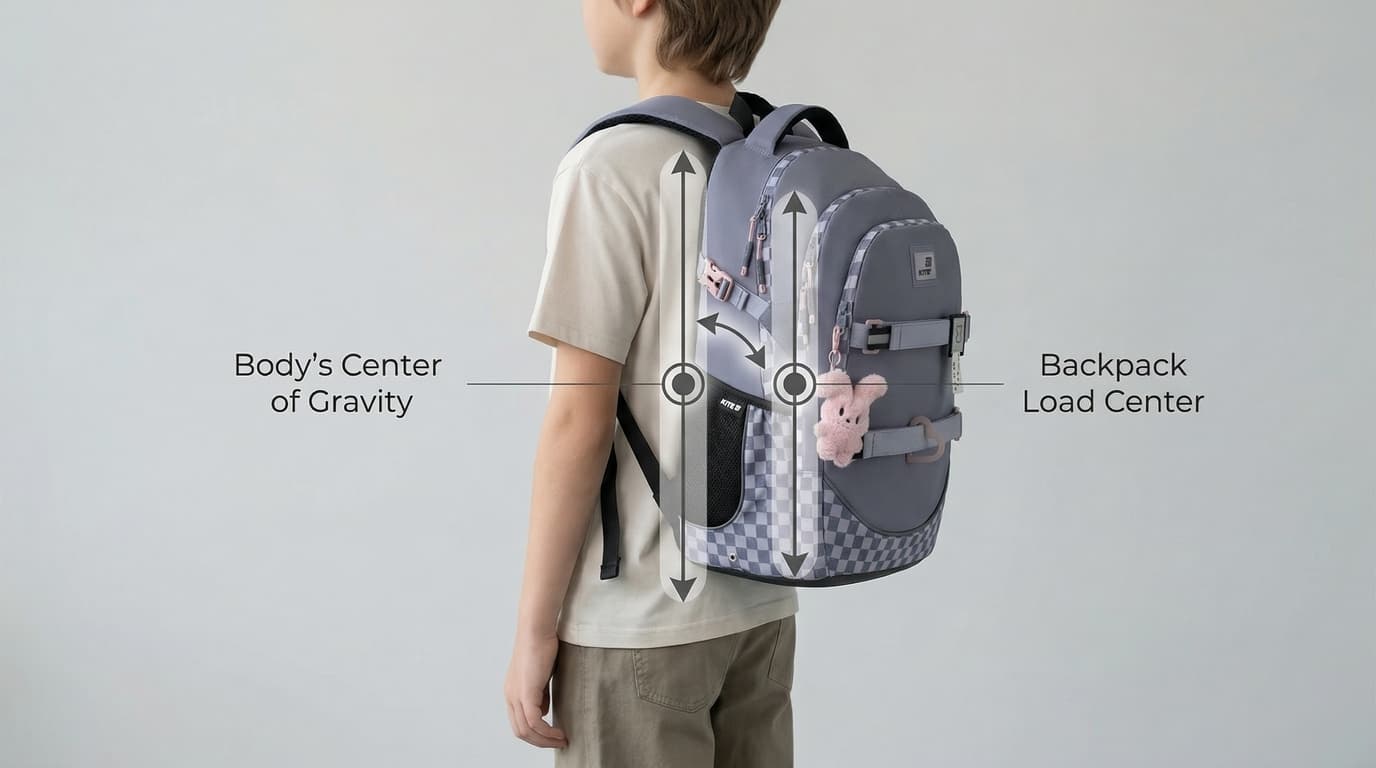
Weight should be distributed evenly across the torso, not concentrated on the shoulders. Orthopedic backpacks are designed to keep heavier items close to the center of the back, keeping the center of gravity aligned with the body and reducing leverage forces on the spine.
3. Wide, Padded Shoulder Straps
Straps should be wide and contoured to avoid pressure points. Narrow or unpadded straps increase muscle tension and can compress nerves in the shoulder area.
4. Chest and Waist Support
Chest (sternum) straps and waist belts help stabilize the backpack and transfer part of the load to the hips, which are better suited for weight-bearing than the shoulders. Proper adjustment is essential for these features to work effectively.
5. Lightweight Construction
Lightweight construction ensures that the backpack’s frame provides support without adding unnecessary dead weight. This makes it easier for students to stay within safe daily load limits.
Why Orthopedic Design Matters for Children
Children’s spines are still developing, and repeated daily strain can affect developing postural habits over time. Backpacks that lack structure or proper fit often cause children to lean forward, round their shoulders, or carry uneven loads.
Orthopedic backpack design helps reduce these risks by supporting neutral posture and encouraging balanced movement during walking or standing.
Common Myths About Orthopedic Backpacks
- Myth: Any backpack with padding is orthopedic.
Reality: Padding provides comfort, but only a structured internal frame or panel provides true orthopedic support. - Myth: Orthopedic backpacks are only for children with back pain.
Reality: Preventive support benefits all students, not just those with existing discomfort. - Myth: Bigger backpacks are better for organization.
Reality: Oversized backpacks often encourage overpacking and increase strain.
How to Tell If a Backpack Is Truly Orthopedic
- It maintains its shape when worn
- It sits high and close to the back
- It includes adjustable shoulder, chest, and waist straps
- It distributes weight evenly across the torso
- The bottom of the backpack rests in the curve of the lower back and does not sag toward the hips
- It feels stable when walking or standing

Orthopedic Backpacks and Everyday School Use
Orthopedic design is especially important for students who:
- Carry heavy textbooks or lunch containers
- Walk long distances to school
- Stand during public transit commutes
- Wear winter layers that affect backpack fit
In these situations, a structured orthopedic frame prevents the load from shifting, which is critical for maintaining balance during longer commutes or on slippery winter surfaces.
Parents researching orthopedic backpacks often continue by exploring ergonomic backpack designs and kids’ backpacks that balance support with lightweight construction.
Final Takeaway
A truly orthopedic backpack is not defined by a label but by how it supports the body. Structured back panels, proper weight distribution, supportive straps, and lightweight materials work together to protect posture and reduce strain.
Choosing a backpack with orthopedic principles in mind helps students stay comfortable and supported throughout long school days—before discomfort ever becomes a problem.
Related reading:
What Backpack Weight Is Safe for Kids? (Canadian Guidelines)










Write a comment