





-768x1376.webp)
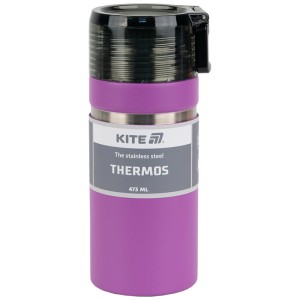
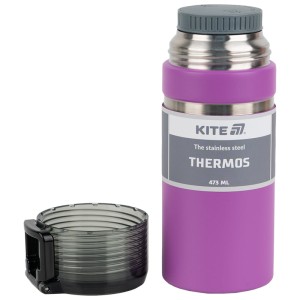
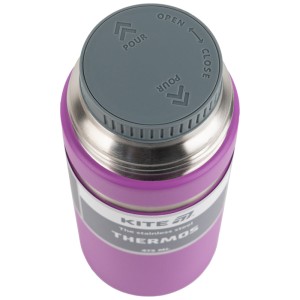
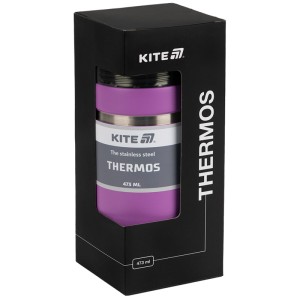
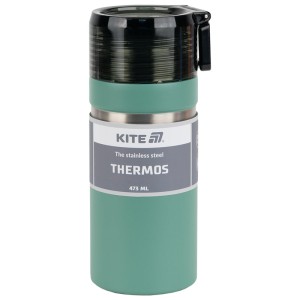
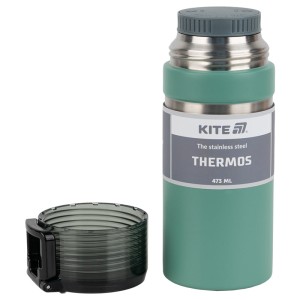
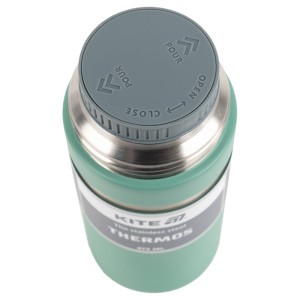
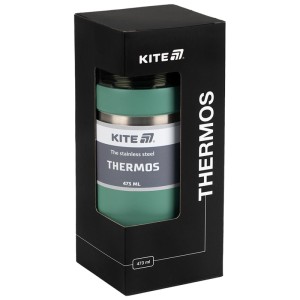
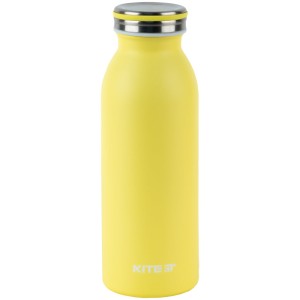
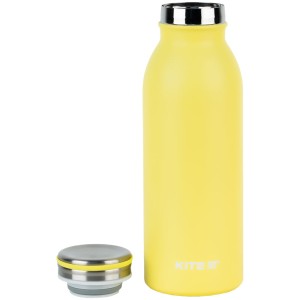
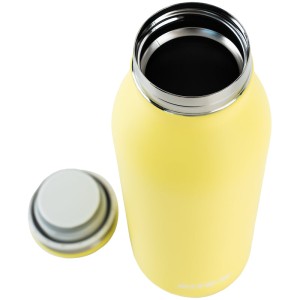
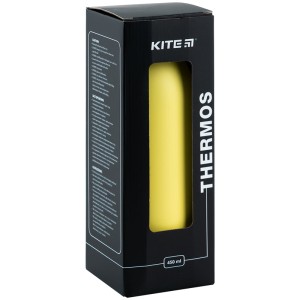
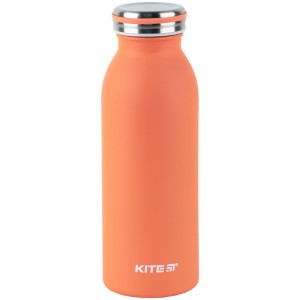
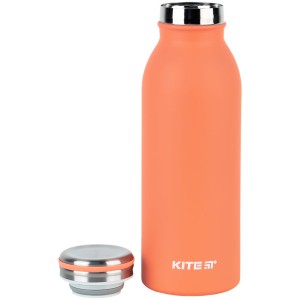
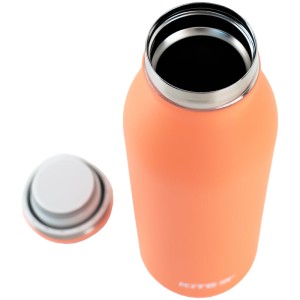
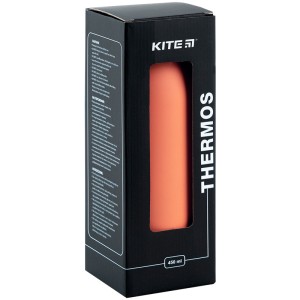
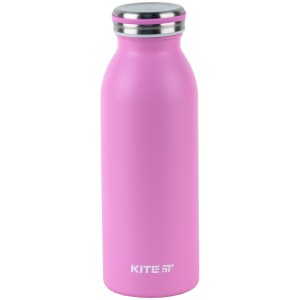
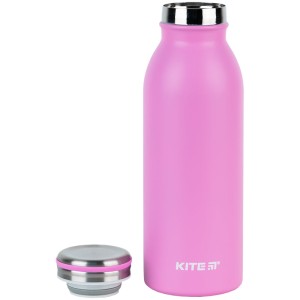
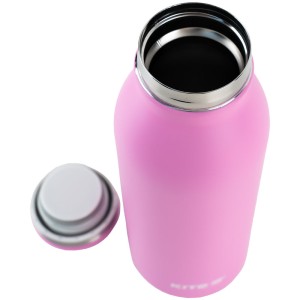
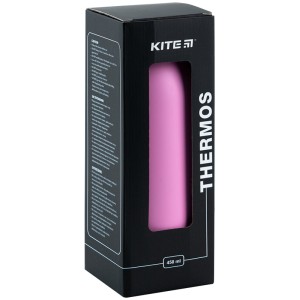
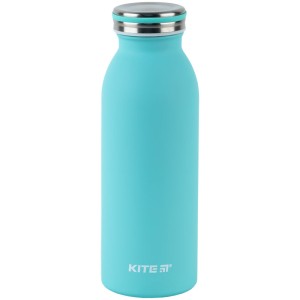
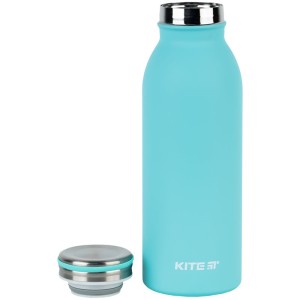
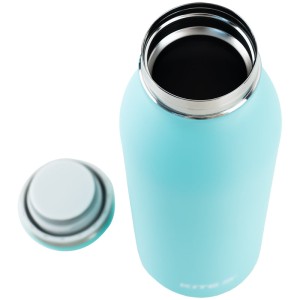
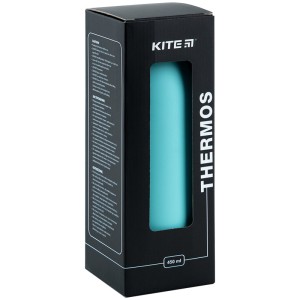
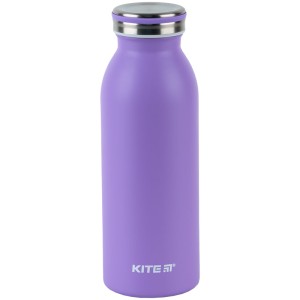
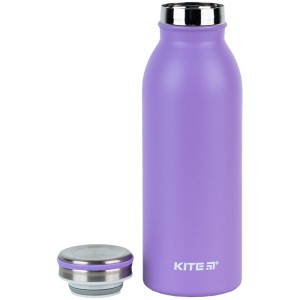
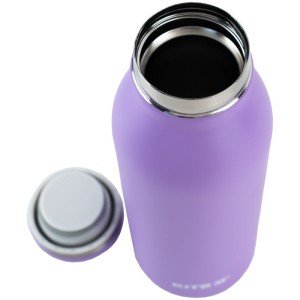
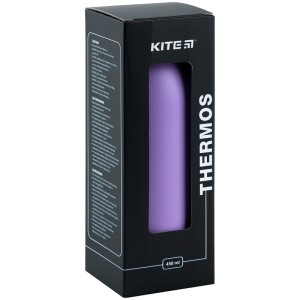
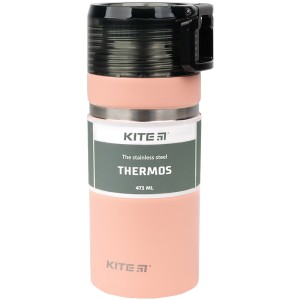
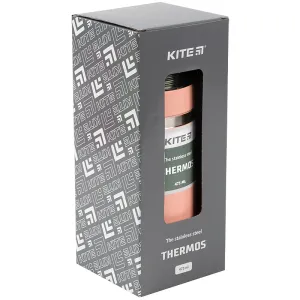
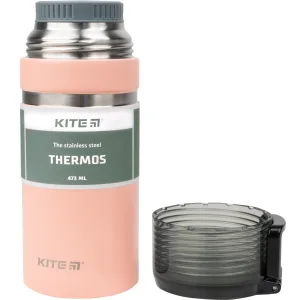
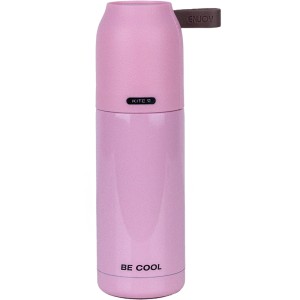
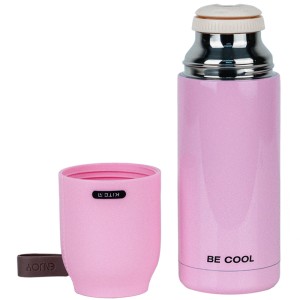
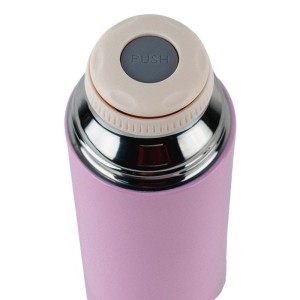
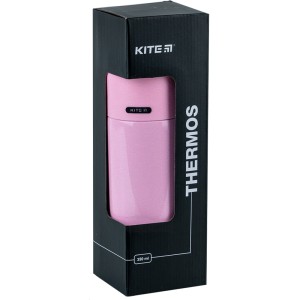
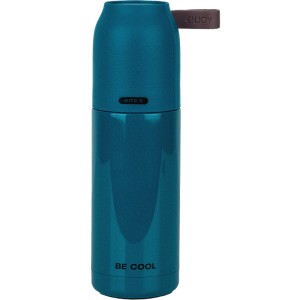
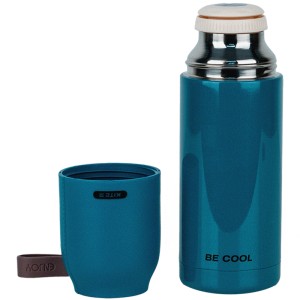
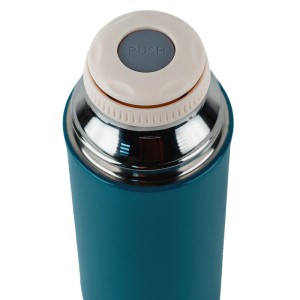
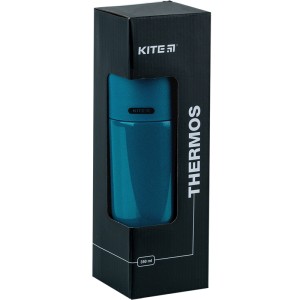
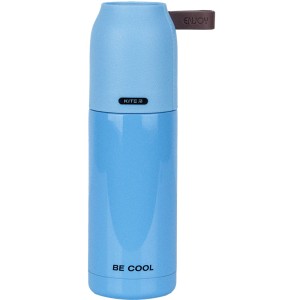
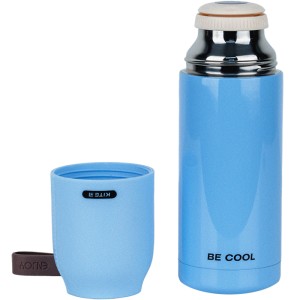
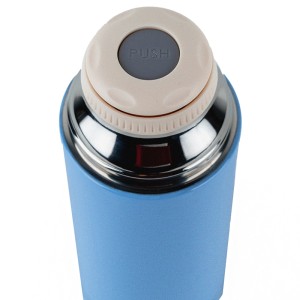
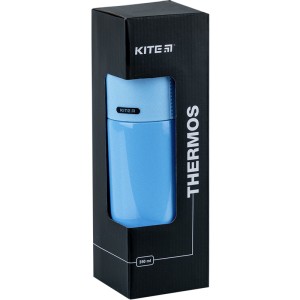
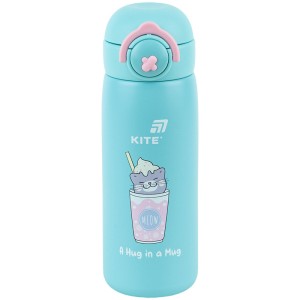
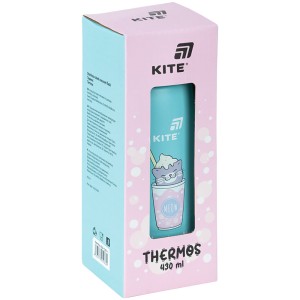
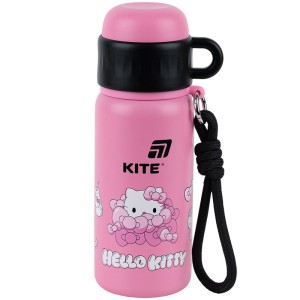
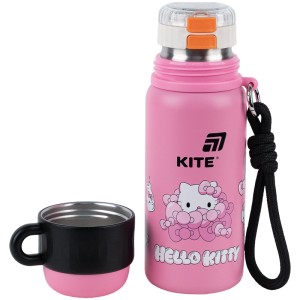
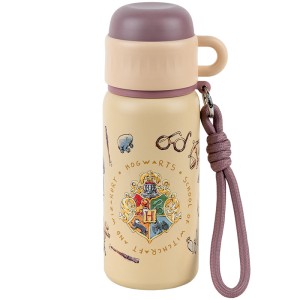
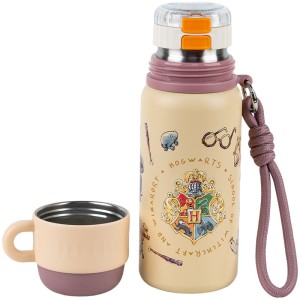
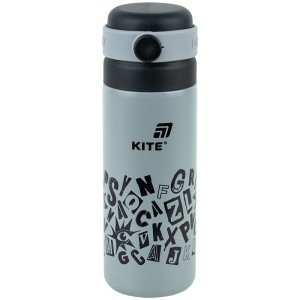
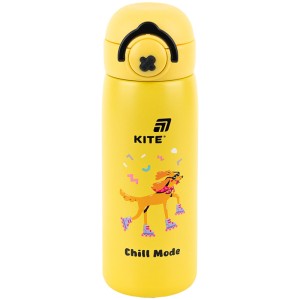
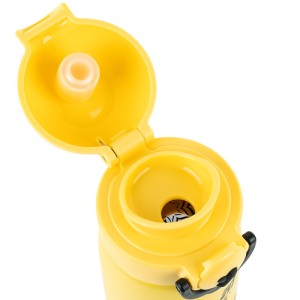
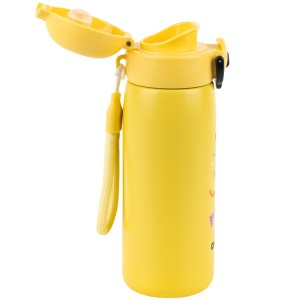
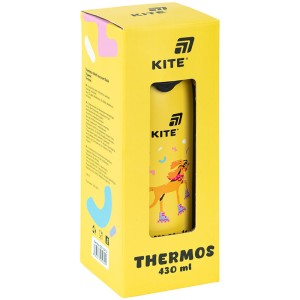
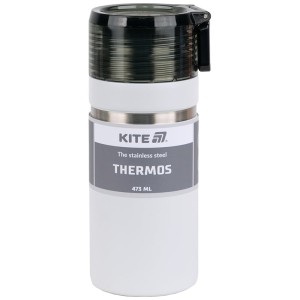
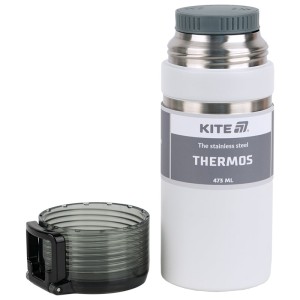
Shop thermoses in Canada thermos food jars, kids thermoses, soup thermoses, and insulated food containers built for Canadian school lunches and daily use. Whether you call it a thermos bottle, a vacuum flask, a thermal flask, or a thermo bottle this collection from Kite covers every format from a compact childs thermos for a kindergarten soup lunch to a full-size food jar for a Grade 8 student who needs a hot meal at noon without a microwave.
The most important thing to understand before choosing: there are two distinct product types in this category. A thermos food jar (also called a thermos food container, insulated food jar, or thermal food container) is a short, wide-mouth format for hot food soups, pasta, rice, oatmeal, and stew. A thermos drink bottle is a tall, narrow format for liquids. Both use the same double-wall vacuum insulation, but they are shaped for completely different use cases. This page focuses on food jars and kids thermoses. For water bottles and cold-drink hydration, see our water bottles category. For travel mugs and coffee formats, see thermomugs.
Also in this collection: thermos café and café thermos formats for hot drinks, and thermos enfant designs sized and lidded specifically for younger children — the standard search term used by French-speaking Canadian families looking for a kids thermos for school.
- Hot food is cold by lunchtime - the insulation has degraded or was never adequate
- It leaked inside the backpack or lunch bag - the lid seal has deteriorated
- The child cannot open it independently - the lid requires too much force for small hands
- It smells permanently - the interior absorbed food odours that can't be cleaned out
- The outer surface sweats in winter - the vacuum seal has failed and condensation is forming
- The lid threads are stripping - cheap hardware degrades after a few months of daily use
What Is a Thermos? Vacuum Insulation Explained
A thermos also called a vacuum flask, insulated bottle, or thermal flask works by trapping a vacuum between two stainless steel walls. This vacuum eliminates most heat transfer by conduction and convection: hot food stays hotter longer, and cold food stays colder longer without ice. A quality stainless steel thermos with true double-wall vacuum insulation significantly outperforms single-wall plastic containers and cheap foam-insulated designs.
The exterior stays at room temperature regardless of what's inside which means no condensation sweating onto lunch bag contents or textbooks. Kite thermoses use food-grade stainless steel for both the inner and outer walls. The stainless steel interior does not absorb food odours or flavours between uses a practical advantage over plastic containers that permanently smell like soup or hot chocolate after a few months of use. All components are BPA-free.
Thermos Types: Food Jars vs Drink Bottles
Short, wide-mouth format. Designed for hot food: soup thermos use, pasta, rice, oatmeal, stew. Wide opening allows a child to eat directly with a spoon. A thermos food container in the 350–470ml range is the standard school lunch format for Canadian families from September through May, no microwave needed at school.
Common sizes: 290ml, 350ml, 470ml, 500ml
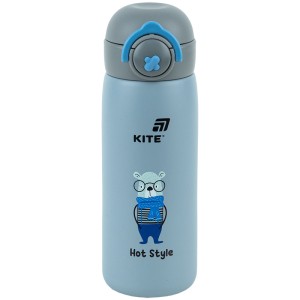
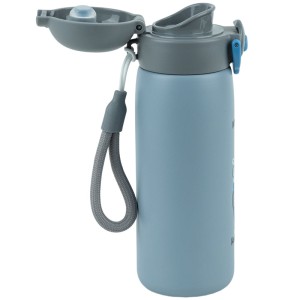
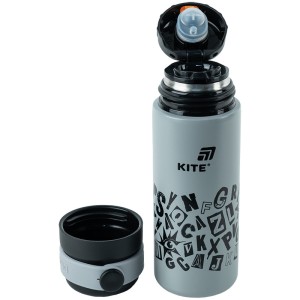
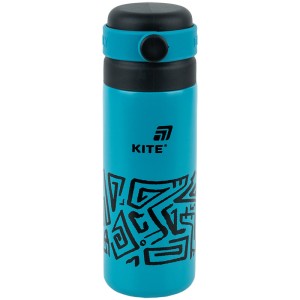
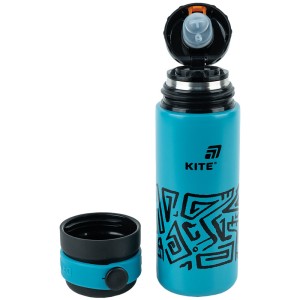
Tall, narrow format. Designed for liquids hot tea, hot chocolate, coffee, and water. Fits most backpack side pockets. The standard thermos café and café thermos format. For cold-drink hydration at school, a dedicated water bottle is the better choice.
Common sizes: 350ml, 470ml, 500ml
Kids Thermos for School: The Canadian Cold-Weather Case
In Canada, school mornings regularly drop below −10°C from November through March and school buildings do not have microwaves in the lunch area. A kids thermos specifically a wide-mouth thermos food jar is one of the most practical school accessories for Canadian families. Most Canadian families search for a thermos specifically to keep hot food warm at school without a microwave this is exactly what a thermos food jar is designed for. No reheating at school, no cold lunch, no wasted food.
For school use, the most practical format for a thermos for kids is a wide-mouth food jar in the 350–470ml range. The wide opening allows children to eat directly with a spoon and is significantly easier to clean than a narrow-neck design. Pre-heating the thermos with boiling water for 2–3 minutes before filling extends heat retention a simple habit that keeps food warm through a full Canadian school morning.
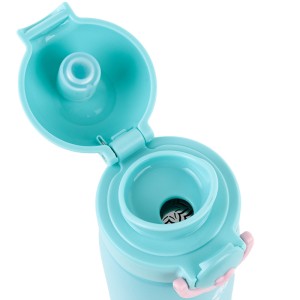
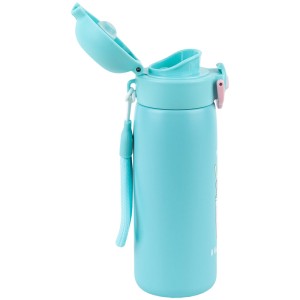
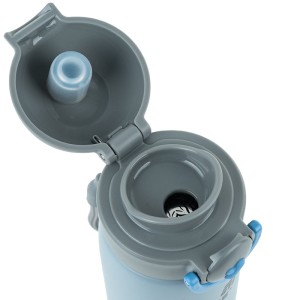
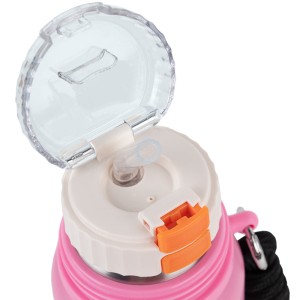
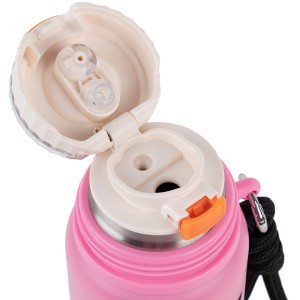
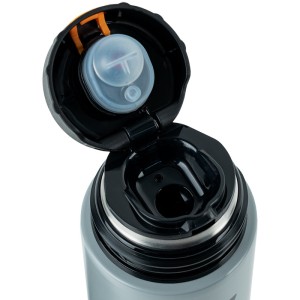
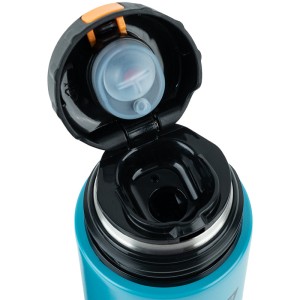
Kite kids thermos models use lid mechanisms designed for smaller hands easy enough for a Grade 1 student to open independently at a supervised lunch period. This matters because children manage their own containers without adult help at lunch. A Grade 1 student who can't open their thermos will simply not eat the hot food which defeats the entire purpose.
Thermos Lunchbox Setup: The Complete Warm School Lunch
A thermos lunchbox setup combining a thermos food jar with a separate bento lunch box is the most practical warm lunch format for Canadian school routines. The thermos food jar handles the hot main (soup, pasta, rice), while the bento lunch box sections handle cold sides: fruit, vegetables, crackers, and cheese. Together they fit inside a standard insulated lunch bag without taking up more space than a single large container.
The thermos bento box approach also eliminates the "everything mixed together" problem of large single-compartment containers the hot food stays hot in the sealed vacuum jar, while cold items stay separate and crisp. Most Kite lunch bags are designed to hold a 350–470ml food jar upright in the main compartment alongside a standard bento box.
Thermos Size Guide
| Size | Best for | Note |
|---|---|---|
| 290–350ml | Preschool, kindergarten, Grades 1–3 | Food jar - compact and light enough for a small lunch bag; holds a full serving of soup or oatmeal for younger children |
| 350–470ml | Grades 1–6, standard school lunch | Food jar - full soup or pasta portion; fits most lunch bags upright; the most common school thermos size in Canada |
| 470–500ml | Grades 7–12, adults | Food jar or drink bottle - full adult portion; fits cup holders and larger backpack pockets |
Kite vs Generic Thermoses
| Feature | Generic thermos | Kite |
|---|---|---|
| Insulation | Thin walls food cold within 2–3 hours | Double-wall vacuum - maintains temperature for a full school or work day |
| Lid seal | Thin gasket leaks when tipped in a bag | Silicone gasket - leak-resistant in a backpack or lunch bag |
| Lid usability | Requires adult strength child cannot open independently | Designed for smaller hands kids thermos models open independently |
| Interior material | Plastic lining absorbs soup and coffee odours permanently | Food-grade stainless steel odour-free and flavour-neutral after cleaning |
| Exterior condensation | Sweats gets the lunch bag wet in winter | Double-wall keeps exterior at room temperature no condensation |
| Durability | Lid threads strip within months of daily use | Reinforced lid mechanism built for daily school-year cycles |
Are Thermos Bottles Dishwasher Safe? Care Guide
The most-searched thermos care question: are thermos dishwasher safe? and can a thermos go in the dishwasher? For most insulated stainless steel thermoses, hand-washing the bottle body is strongly recommended. Dishwasher heat and detergent degrade the vacuum seal between the inner and outer walls over time, reducing insulation performance. Thermos dishwasher safe status varies by model most thermos lids are top-rack safe, but the body should be hand-washed. Check each product page for model-specific confirmation.
- Pre-heat before filling hot food: fill with boiling water, let sit 2–3 minutes, pour out, then fill. Extends heat retention significantly — especially important on cold Canadian mornings.
- Pre-cool before cold food or drinks: fill with cold water for 5 minutes, empty, then fill. Maintains cold temperature longer.
- Use a bottle brush for the interior: reaches the base of food jars and drink bottles critical for removing residue from a soup thermos.
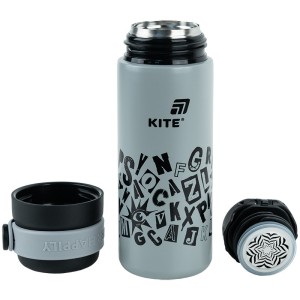
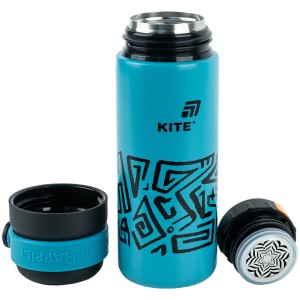
- Disassemble the lid fully when cleaning: silicone gaskets trap moisture and food residue remove, wash separately, and air-dry before reassembling.
- Store with the lid off: trapped moisture creates odours. Always store open and inverted to allow full air drying.
- Never use carbonated drinks in a sealed thermos: pressure builds inside a fully sealed vacuum container.
Complete Your Lunch Kit
- Thermomugs & travel mugs — for hot coffee and tea on the commute; a separate category from food jars
- Insulated lunch bags — designed to hold a food jar upright in the main compartment alongside a bento box; most have a side pocket for a drink bottle
- Bento lunch boxes — pair a thermos food jar with a bento box for cold sides; the complete warm school lunch setup without a microwave
- Water bottles — pair a food jar with a separate water bottle for hydration; many Kite backpacks have dedicated side pockets for both
- School backpacks — Kite elementary backpacks are designed with side pockets sized for Kite thermos drink bottles
Free shipping across Canada on orders over $75 CAD · Toronto local pickup available at checkout · Hassle-free returns and exchanges
- Preschool–Grade 3: 290–350ml wide-mouth food jar soup, oatmeal, pasta for smaller appetites
- Grades 4–8: 350–470ml food jar full lunch portion, any hot food type
- Grades 9–12 & adults: 470–500ml food jar or drink bottle full day use
- Want hot drinks for the commute? See our thermomugs and travel mugs
Thermos FAQ
What is the difference between a thermos and a vacuum flask?
"Thermos" is a brand name that became a generic term in Canada for any insulated vacuum container. A vacuum flask, thermal flask, thermos bottle, thermo bottle, and insulated bottle all refer to the same double-wall vacuum insulation technology. The meaningful differences are product format (food jar vs drink bottle), size, and lid mechanism — not the underlying insulation principle.
What is the best thermos for school lunches in Canada?
For Canadian school lunches, a wide-mouth thermos food jar in the 350–470ml range is the most practical format. It holds hot soup, pasta, or rice, is easy for children from Grade 1 onward to open and eat from directly with a spoon, and keeps food warm for a full school morning without microwave access. Pre-heating with boiling water for 2–3 minutes before filling significantly extends how warm food stays by lunchtime.
Are thermos bottles dishwasher safe? Can a thermos go in the dishwasher?
For most insulated stainless steel thermos bottles, hand-washing the bottle body is recommended to preserve the vacuum seal and long-term insulation performance. Dishwasher heat degrades the seal between the inner and outer walls over time. Most thermos lids and caps are top-rack dishwasher safe — check the individual product page for model-specific care instructions.
What is the best size thermos for kids at school?
For a childs thermos in preschool or kindergarten, a 290–350ml food jar is right — compact enough to fit any lunch bag and light enough not to add significant bag weight. For elementary Grades 1–6, 350–470ml covers a full soup or pasta lunch. Older students typically use 470–500ml. If the child also needs a drink at school, pair the food jar with a separate water bottle rather than relying on the thermos for both food and hydration.
Are Kite thermos bottles safe for children?
Yes. Kite kids thermos models use food-grade stainless steel interiors and BPA-free lid components — safe for daily school use for children of all ages. The stainless steel interior does not leach chemicals, absorb food odours, or transfer flavours into food or drinks. The exterior stays at room temperature regardless of contents, which means no hot outer surface when a child handles a thermos filled with hot soup.
What is the difference between a thermos food jar and a travel mug?
A thermos food jar is a short, wide-mouth insulated food container designed for hot food — soup, pasta, rice, stew — eaten with a spoon at lunchtime. A travel mug is a tall, lidded format for hot coffee or tea consumed on the move. Both use vacuum insulation but serve completely different purposes. For travel mugs and coffee formats, see our thermomugs & travel mugs category.
What is a thermos enfant and how is it different from a regular kids thermos?
A thermos enfant (French: children's thermos) refers to the same product as a kids thermos — a compact, wide-mouth insulated food jar sized and lidded for younger children. The French term is commonly used by French-speaking Canadian families in Quebec and across francophone Canada when searching for a kids thermos for school. Kite's thermos range covers both English and French Canadian school routines with the same product line — the same compact 290–470ml food jars sold under both naming conventions.
Where can I buy thermoses in Canada?
Thermoses in Canada from Kite ship free across Canada on orders over $75 CAD — to Toronto, Vancouver, Calgary, Montreal, Ottawa, and all provinces. Toronto local pickup is available at checkout. The full collection is in stock year-round with prices in CAD and no customs fees. Many families bundle a thermos food jar with a lunch bag and lunch box to reach the free shipping threshold as a complete school lunch kit.