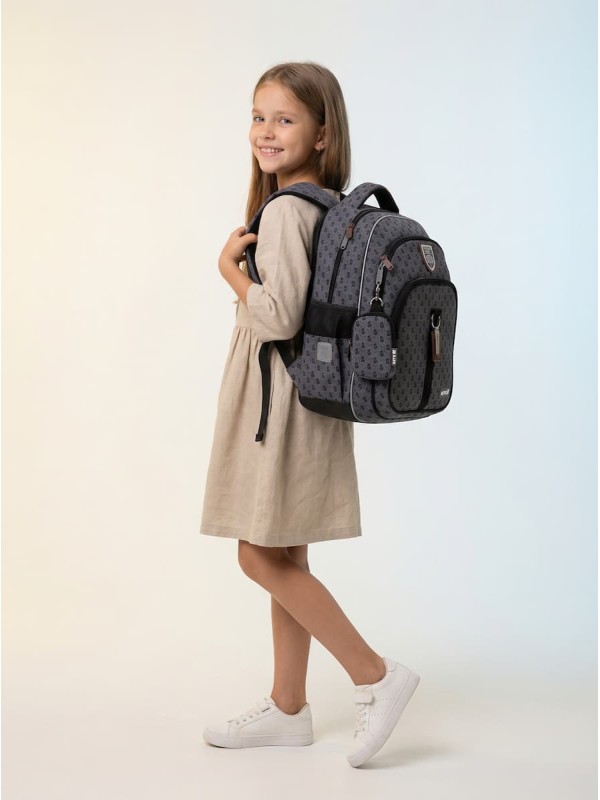
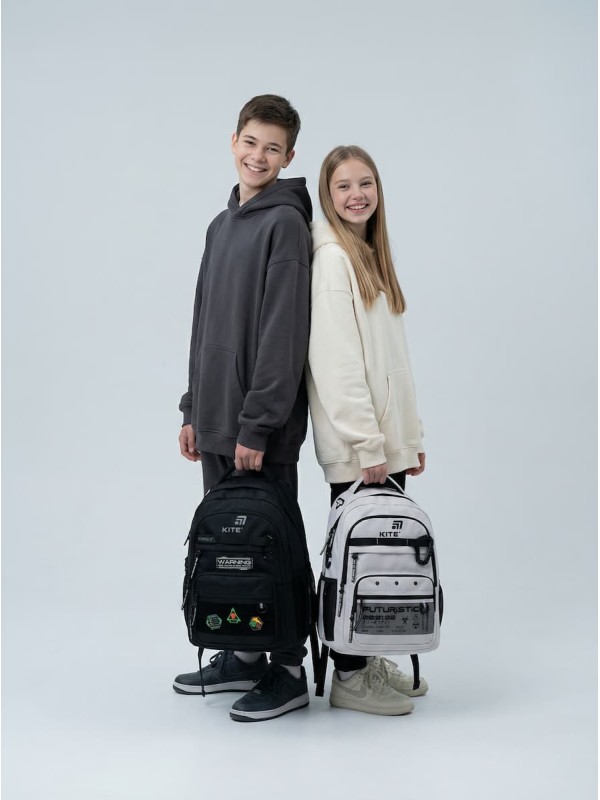
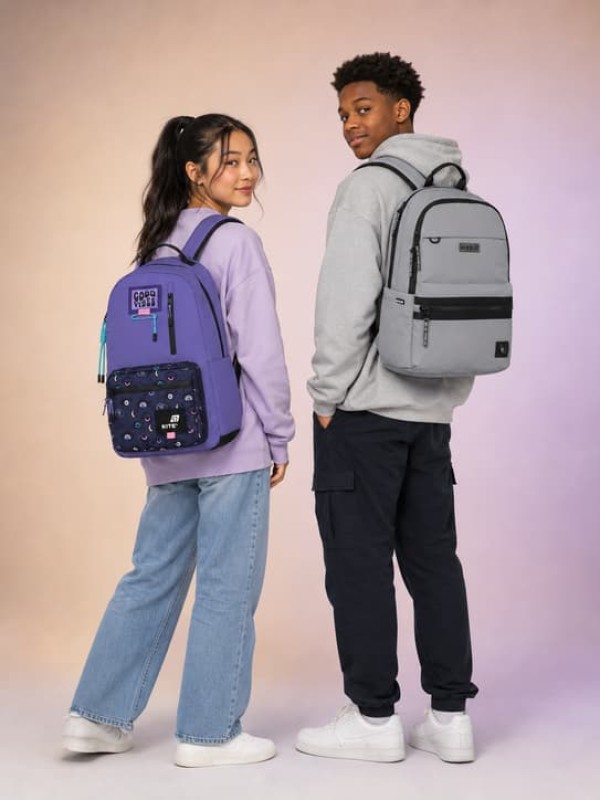
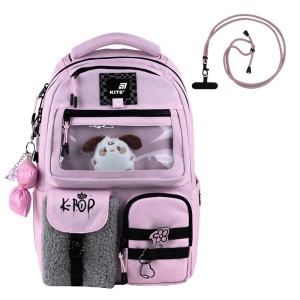
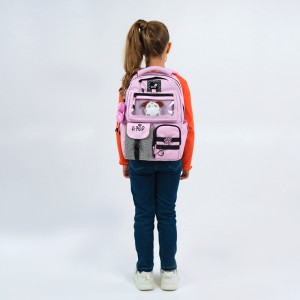
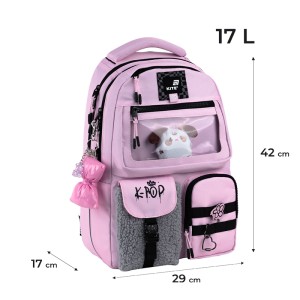
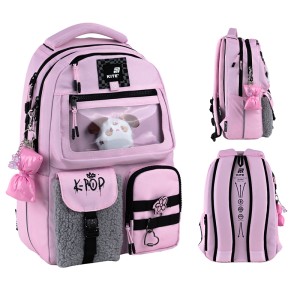
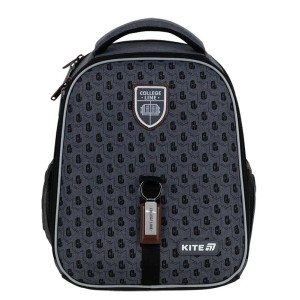
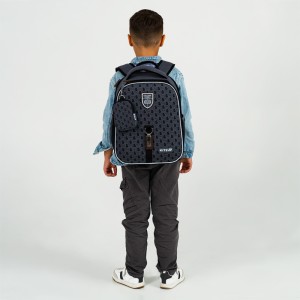
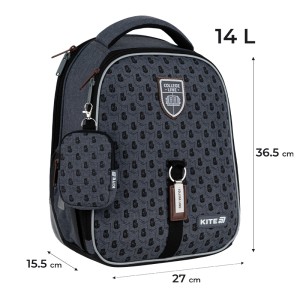
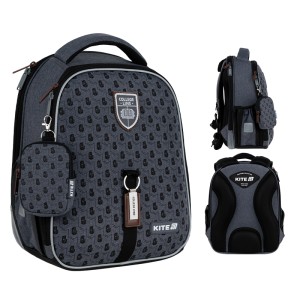
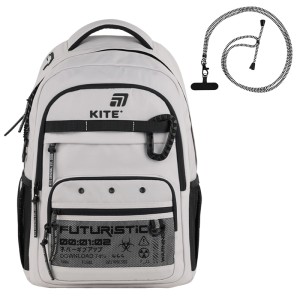
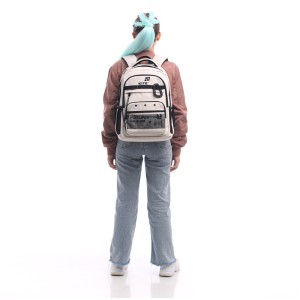
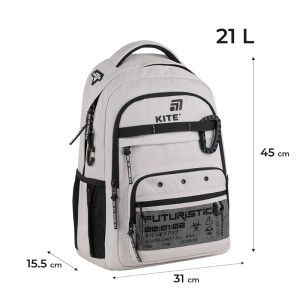
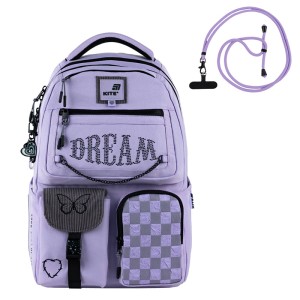
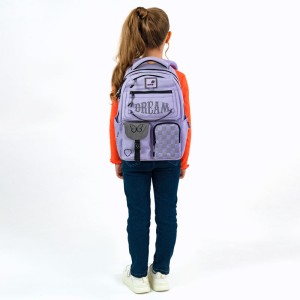
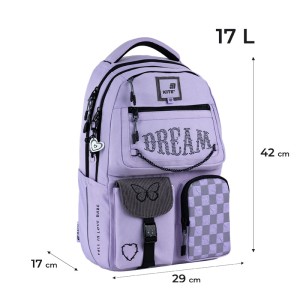
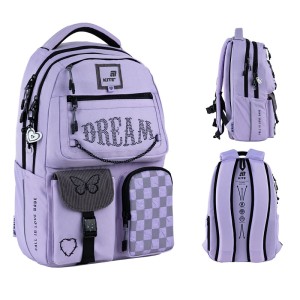
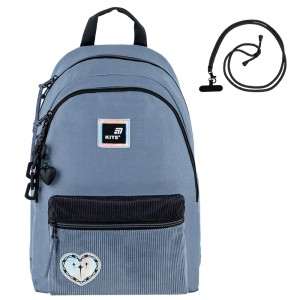
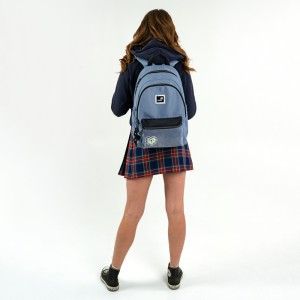
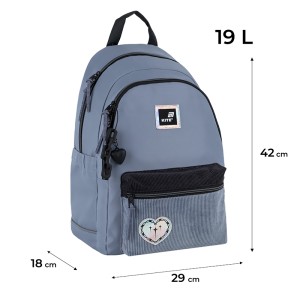
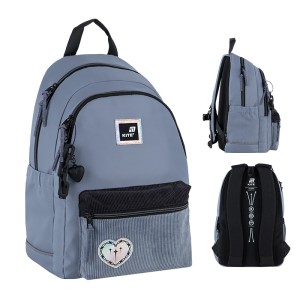
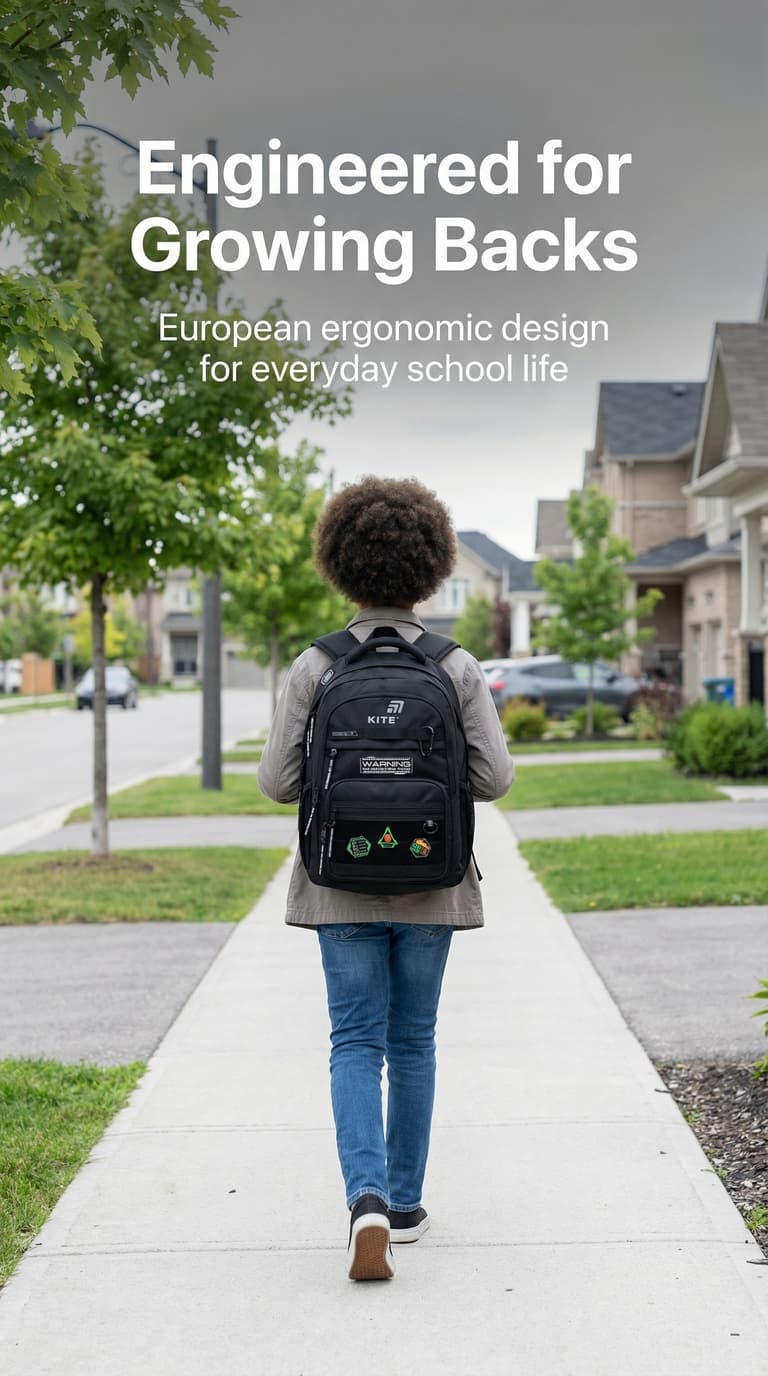
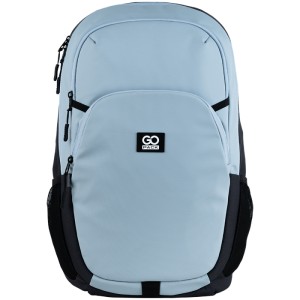
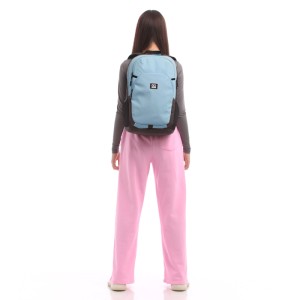
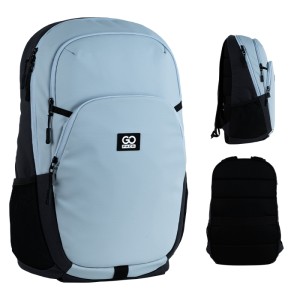
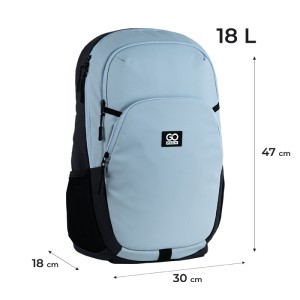
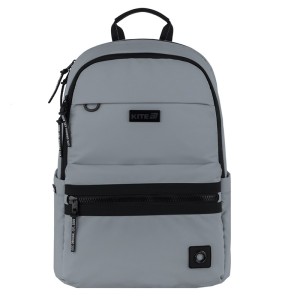
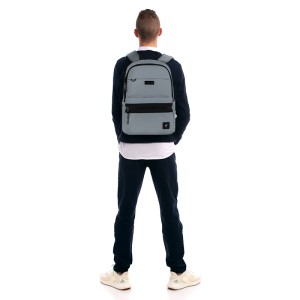
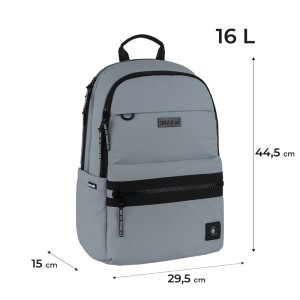
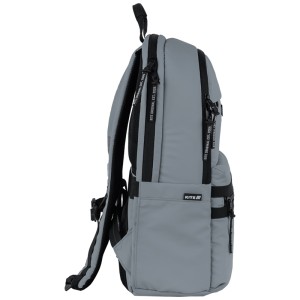
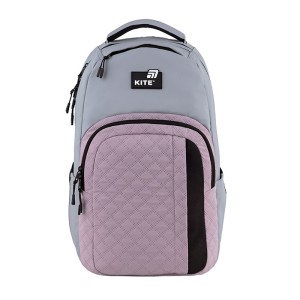
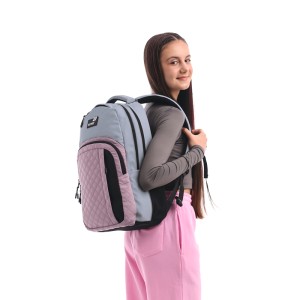
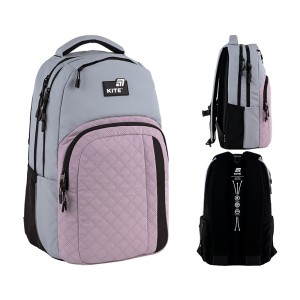
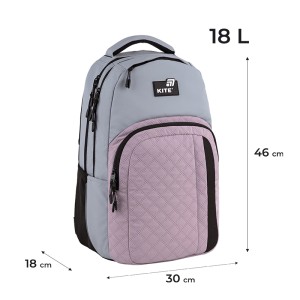
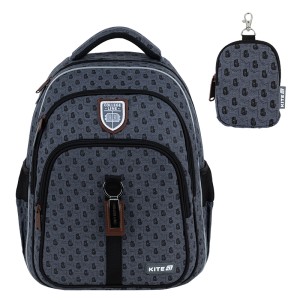
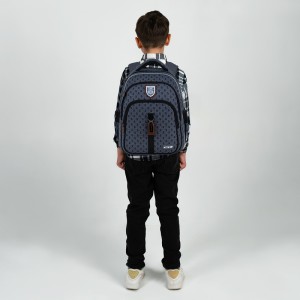
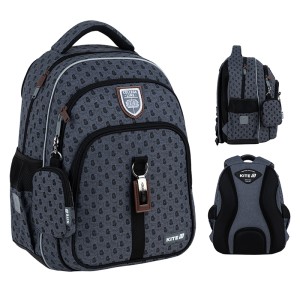
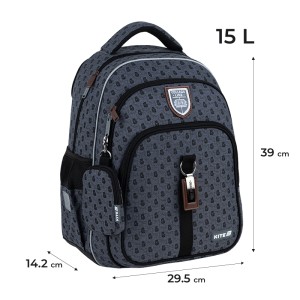
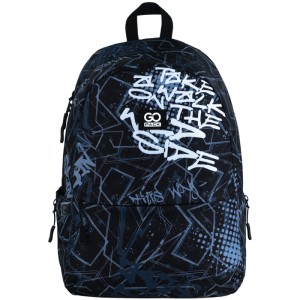
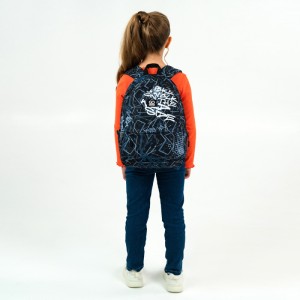
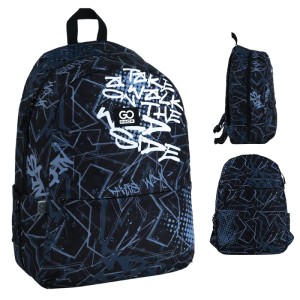
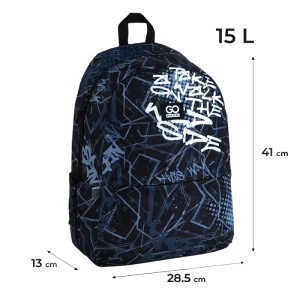
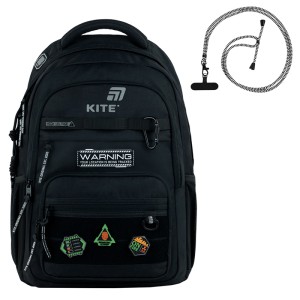
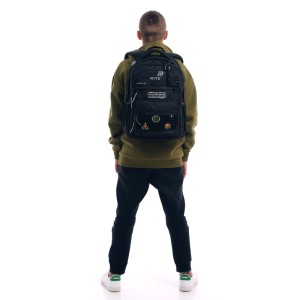
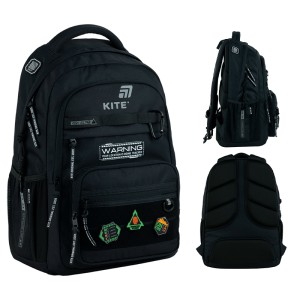
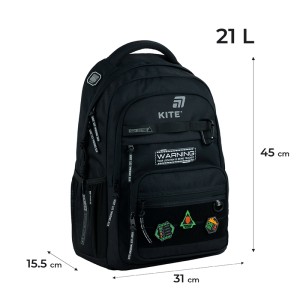
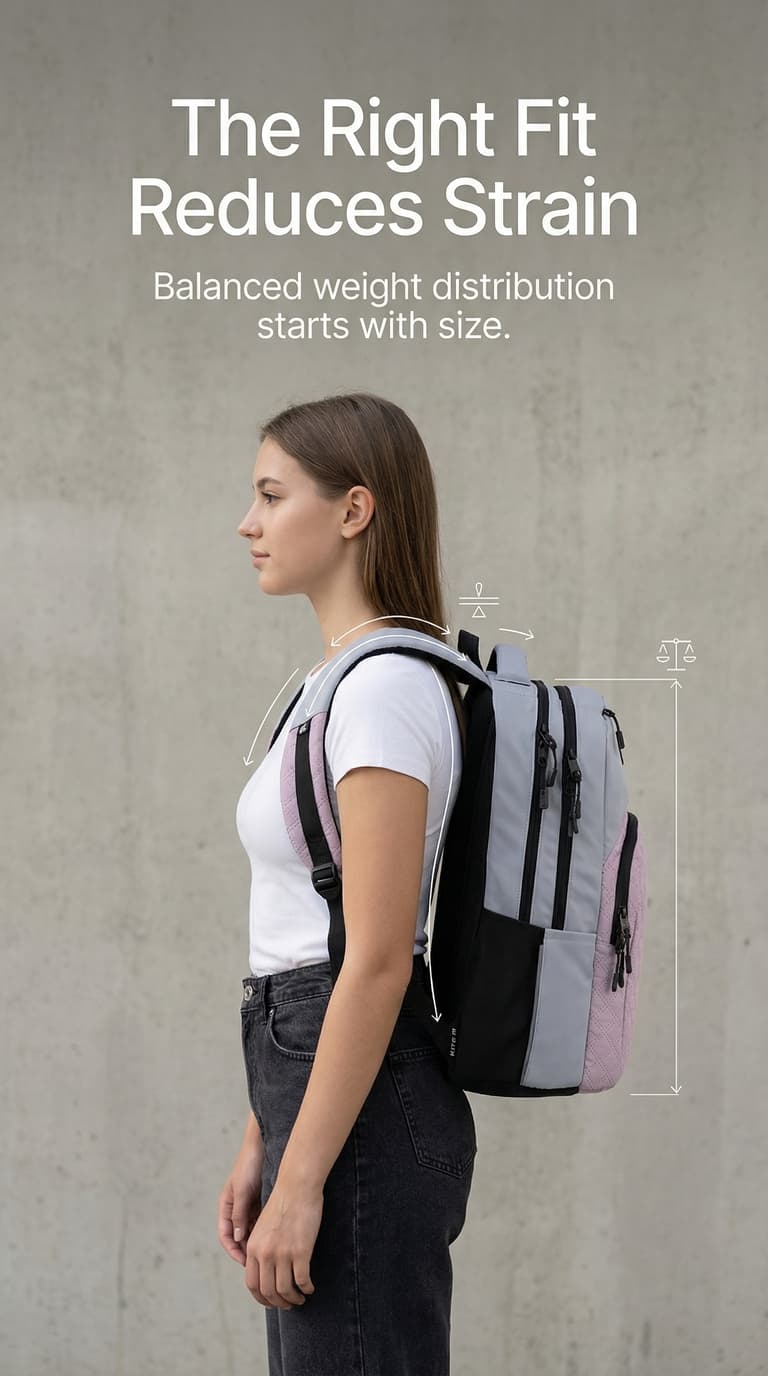
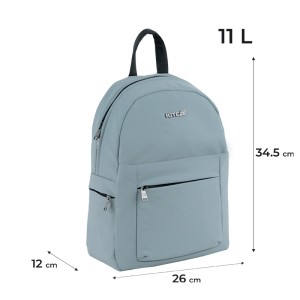
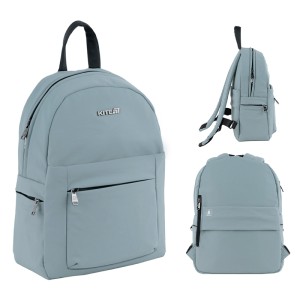
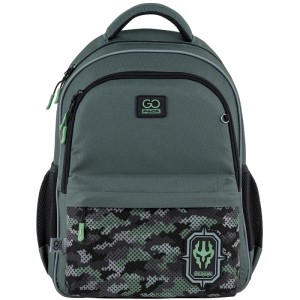
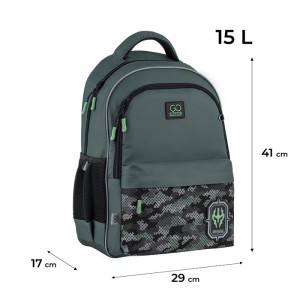
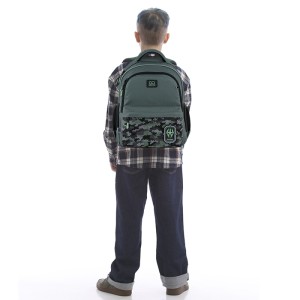
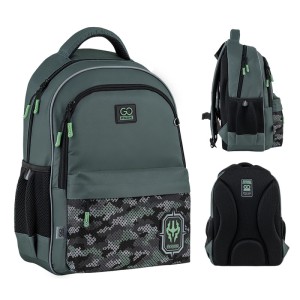
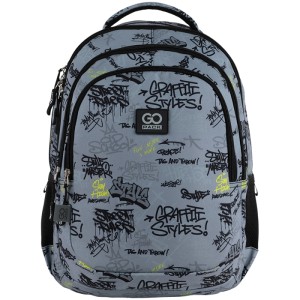
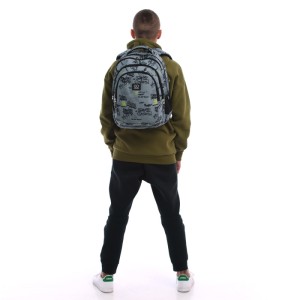
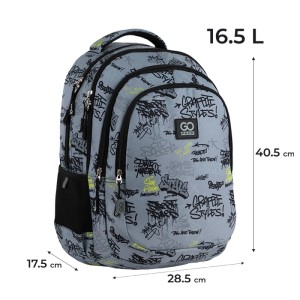
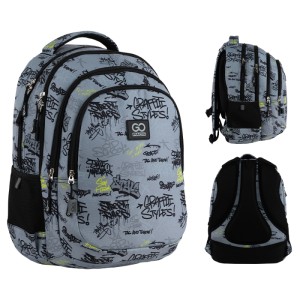
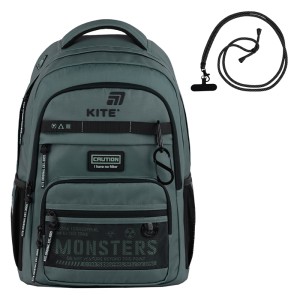
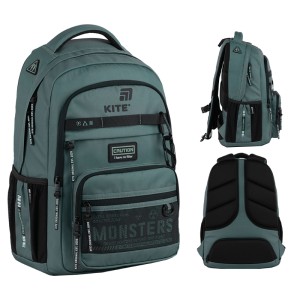
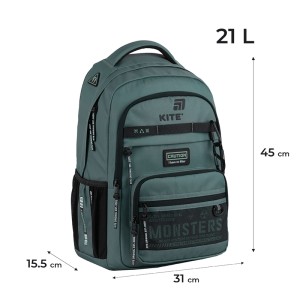
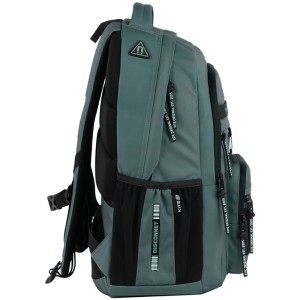
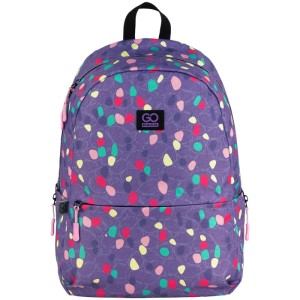
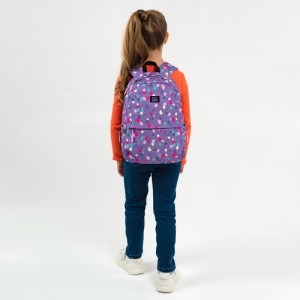
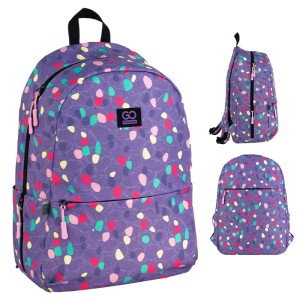
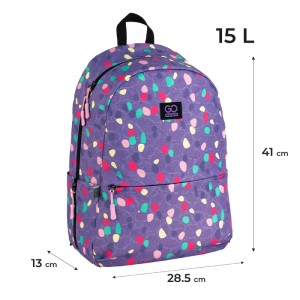
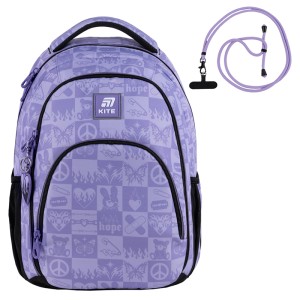
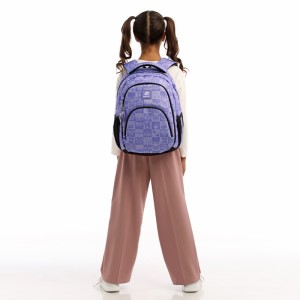
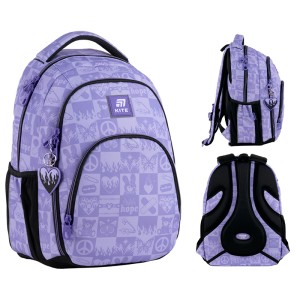
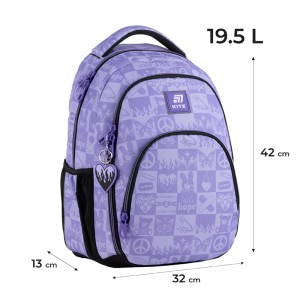
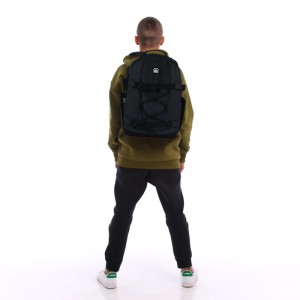
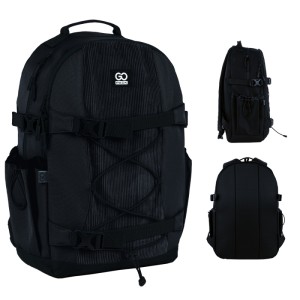
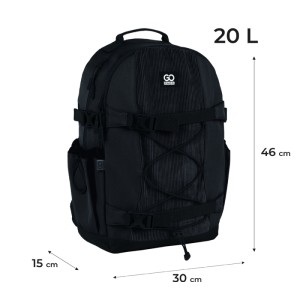
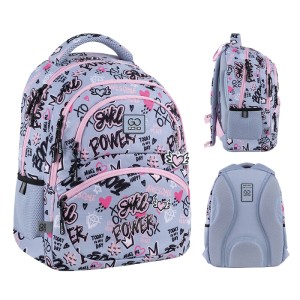
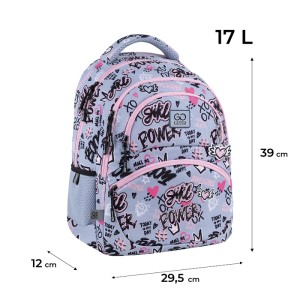
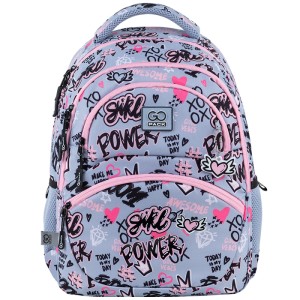
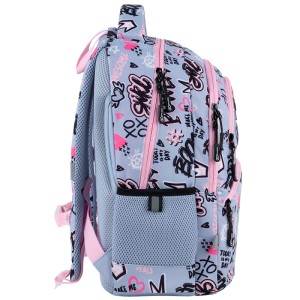
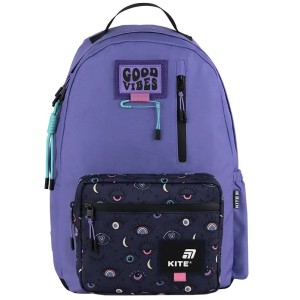
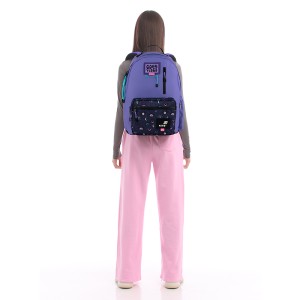
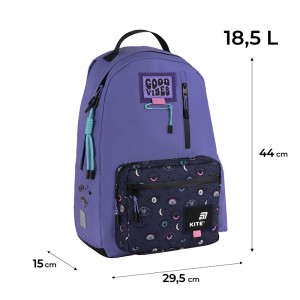
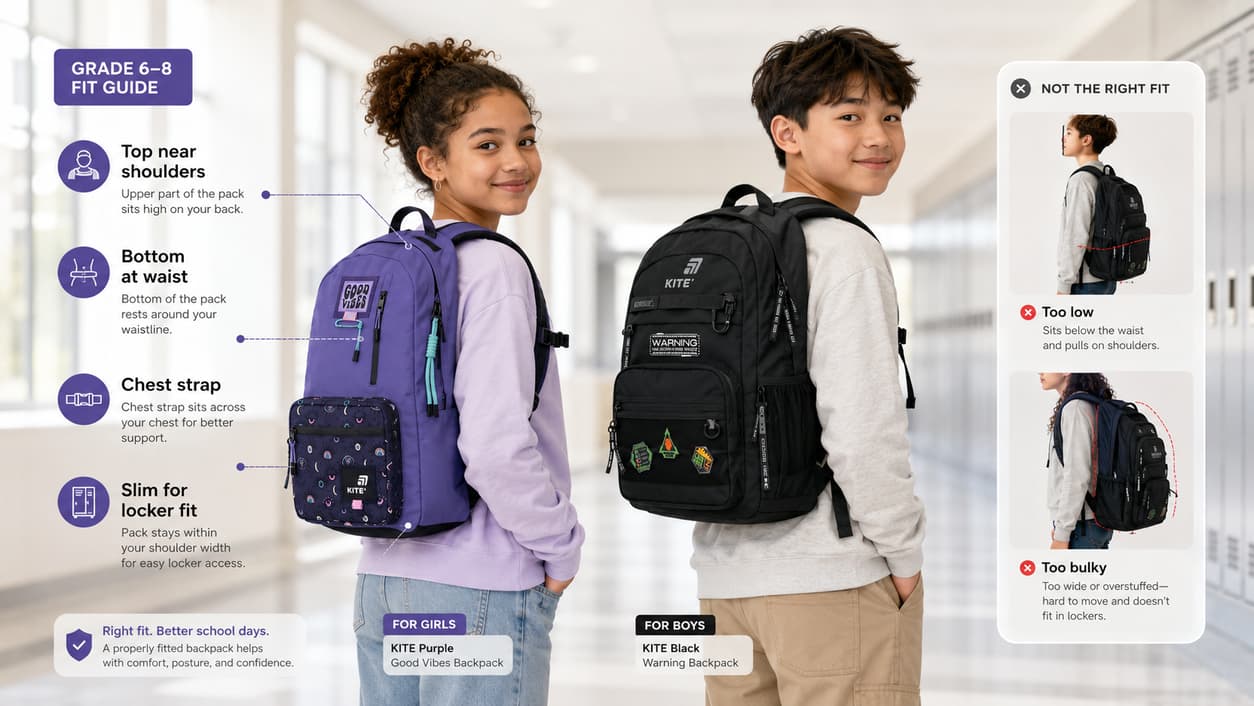
Grade 6-8 is when school loads become heavier: multiple binders, a laptop or Chromebook, lunch, a water bottle, gym clothes, and a full day across changing classrooms. The right backpack is usually 18-22L, with a padded laptop compartment, structured back panel, chest strap, and a slim profile that fits school lockers without forcing. Bag height should sit around 17-19 inches (43-48 cm), with the bottom resting at waist level.
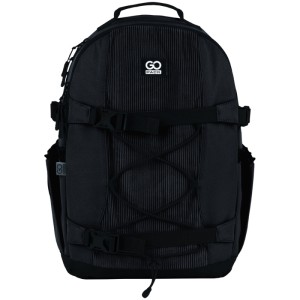
At MyKite.ca, we carry Grade 6-8 backpacks from Kite and GoPack - European school backpack brands built for heavier middle school loads, growing frames, and styles that work for students who care about how their bag looks. Ships from Toronto with free delivery over $75 CAD across Canada.
The backpacks below are selected for middle school students who need real capacity, device protection, and organized compartments for a full day across multiple subjects - without the bulk of an oversized adult bag.
Middle school is where backpack strain peaks for most students. The combination of multiple subjects, a school-issued device, physical education, and a longer school day creates the heaviest load-per-body-weight ratio of any grade range. At the same time, students in Grade 6-8 are more independent - they manage their own bags, move between classes, navigate lockers, and often commute by bus or transit.
A well-chosen bag for this stage is not just about capacity. It is about keeping the load organized, the device protected, the profile slim enough for lockers and transit, and the weight distributed correctly across a frame that is still developing. Backpack safety guidance recommends keeping a loaded bag within 10-15% of the student's body weight - but at this stage, hitting that limit is genuinely easy without noticing. See our backpack weight limit guide for the full breakdown.
Fit warning: bag bottom hangs below the waist - bag pulls away from the back rather than sitting flush - student rounds the shoulders forward under load - straps dig into shoulders without a chest strap in use - student complains of upper back or neck pain after school.
Grade 6-8 Backpack Size at a Glance
The main size range for Grade 6-8 is 18-22L. Our dedicated Grade 6-8 sizing guide notes that 20-24L is practical for students with larger frames or heavier loads - but 18-22L is the right everyday target for most middle school students. Bigger bags lead to heavier packing, not smarter packing.
The middle school daily load is heavier and more varied than any earlier stage. A well-organized 18-22L bag should hold all of this:
Two to four full-size binders (letter size, one per subject)
A laptop or Chromebook (typically 11-13 inches)
A laptop charger or tablet cable
A planner or agenda book
A pencil case or front-pocket organizer
A lunch bag or lunch box
A 700-800 ml water bottle (in a side pocket)
Gym clothes on PE days
A transit card or bus pass
Winter gloves and a hat from October to April
A Chromebook adds roughly 1-1.5 kg. Gym clothes and a full binder load together can push an otherwise normal bag close to or over the recommended weight limit. See our lunch bags and water bottles if you want everything to coordinate.
Cleaner, more personal - students have strong preferences
Style and Identity Matter More at This Stage
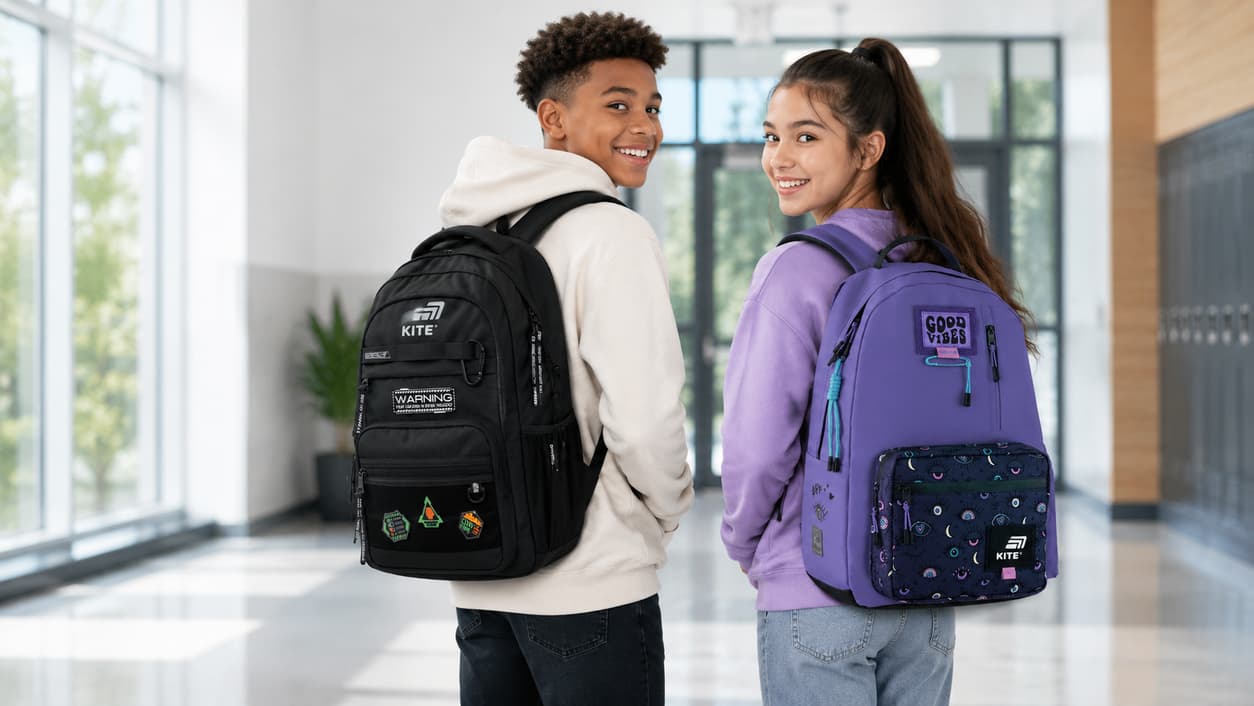
Grade 6-8 is when students start making clear, independent choices about how they present themselves. The backpack is worn every day, visible in every class and hallway, and increasingly part of how a student sees themselves. The best bag at this stage earns both parental approval for ergonomics and structure, and student buy-in for design. Kite and GoPack middle school models are built around clean, modern colourways and profiles that work at school, on transit, and in everyday life - without looking like children's bags or generic adult commuter packs.
Locker Fit: The Detail Most Bag Guides Skip
Middle school lockers are often narrow, and bag depth matters as much as height. If a packed backpack expands past about 8 inches (20 cm) deep, it may be harder to place into a standard school locker without forcing. This rules out many wide, soft-shell bags that look fine on a store shelf but fail at the locker door.
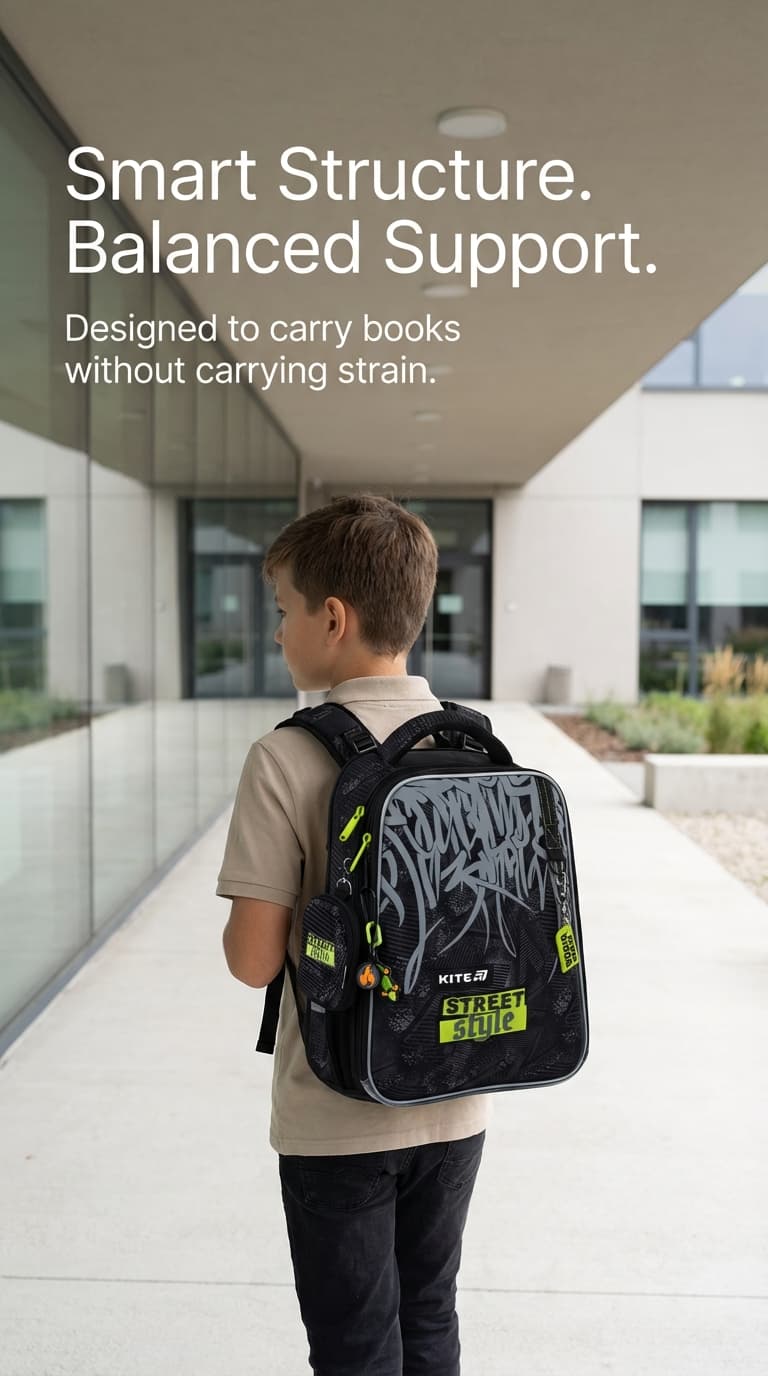
Kite and GoPack structured backpacks maintain a slimmer upright profile under load because the structured back panel and internal compartments hold the contents in place rather than letting them spread outward. A bag that holds its shape is easier to fit in a locker, easier to carry on a crowded bus, and easier to set down in a classroom aisle without blocking anyone.
Fitting by Student Height
Grade 6-8 spans a wide range of body sizes, including students going through growth spurts. Check fit at the start of each school year. The same rules apply at every height:
Top of bag sits near shoulder level, not above the head
Bottom of bag rests at or just above waist level, not below the hips
Bag is not wider than the student's shoulders
Chest strap clips comfortably across the mid-sternum
Bag sits flush against the back, not pulling away from the spine
Student Height
Recommended Bag Height
Capacity Range
54-58 in (137-147 cm)
17-18 in (43-46 cm)
18-20L
58-62 in (147-157 cm)
18-19 in (46-48 cm)
20-22L
62 in+ (157 cm+)
19 in (48 cm) max
20-24L
Features That Matter for Grade 6-8
Padded laptop compartment
A dedicated padded sleeve for a 13-inch laptop or Chromebook keeps the device protected from binder corners and book weight. It should sit flat against the back panel, not floating in the main compartment.
Structured back panel
Keeps the bag from collapsing backward under a 3-4 kg load. Holds the contents high and close to the spine, which is where the weight is easiest to carry without strain.
Chest strap
At middle school load levels, a chest strap meaningfully reduces backward pull and keeps the bag from swinging during transit. Students often stop using it by this age - but they should not.
Front organizer pocket
Pen loops, a key clip, card slots, and small compartments for charger cables and earphones. Middle school students manage their own organization - a structured front pocket makes this genuinely easier.
Slim depth profile
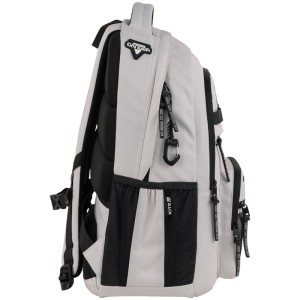
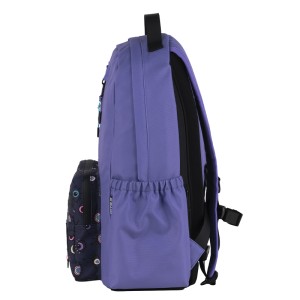
A bag that stays around 20 cm (8 inches) deep when packed fits standard Canadian school lockers and takes up less aisle space on crowded buses and subway cars.
Water-resistant materials
Middle school students are independent - parents are not there to notice if the bag gets wet at the bus stop. Water-resistant fabric and a reinforced base protect the laptop and binders without requiring parent management.
What Canadian Middle Schools Ask of Grade 6-8 Backpacks
Lockers
Most Grade 6-8 students have a locker for the first time. The bag needs to sit inside without forcing - which means bag depth when packed matters as much as height or capacity.
Transit and bus
Many Grade 6-8 students in Toronto, Vancouver, Montreal, and Calgary commute independently. A structured bag with a slim profile is easier to manage on a crowded TTC bus or SkyTrain than a soft bag that spreads under the weight of a full load.
Changing classrooms
Middle school students carry their bag between classes rather than leaving it at a desk. A bag that holds its shape and is easy to grab and go is more practical than a bag that collapses and requires repacking.
Winter carry
Canadian middle school students navigate bus stops, outdoor walkways, and transit platforms in full winter gear from October through April. Reflective details and water-resistant fabric are practical requirements, not optional extras.
Kite and GoPack backpacks are designed for European school systems with equivalent demands - heavy daily loads, full four-season carry, and an emphasis on ergonomic structure that works for students managing their own equipment independently.
For most Grade 6 students, 18-20L is the right starting point. Grade 6 is a transition year and many students still have smaller frames. A bag in this range holds binders, a Chromebook, lunch, and a water bottle without oversizing for a student who has not yet hit a growth spurt.
What size backpack is best for Grade 7 or Grade 8?
Grade 7 and Grade 8 students typically need 20-22L. By this stage the full middle school load - multiple binders, a laptop, lunch, gym clothes on PE days - requires real capacity. Larger-framed or heavier-load students can go to 22-24L, but only if the bag still sits correctly at waist level when worn.
Should a Grade 6-8 backpack have a laptop sleeve?
Yes, if the school issues or requires a laptop or Chromebook. A padded sleeve keeps the device flat against the back panel, protected from binder corners, and easier to remove for security checks. It also improves weight distribution by keeping the heaviest item closest to the spine.
Will a Grade 6-8 backpack fit in a school locker?
It depends on how the bag packs out. Most Canadian school lockers are around 30 cm (12 inches) wide. A bag that stays around 20 cm (8 inches) deep when loaded fits comfortably. Structured bags like Kite and GoPack models hold a slimmer profile under load than soft-shell bags that spread outward when full.
Should middle school backpacks still have a chest strap?
Yes. At this load level - 3-5 kg on a typical day - a chest strap meaningfully reduces backward pull and keeps the bag flush against the back during transit and walking. Many students stop using the chest strap at this age, but the ergonomic benefit of using it is higher than at any earlier stage because the load is heavier.
How heavy should a Grade 6-8 backpack be when loaded?
A practical target is 10-15% of the student's body weight. For an 80 lb (36 kg) Grade 7 student, that means a maximum of about 8-12 lb (3.6-5.4 kg) loaded. Middle school is the stage where students most commonly exceed this limit - a Chromebook plus two full binders plus gym clothes gets there quickly. See our full backpack weight limit guide.
What is the difference between a Grade 6-8 and a high school backpack?
Mainly size and device capacity. High school bags are typically 22-28L and built for a 15-inch laptop, longer school days, and often a commute across multiple transit legs. A Grade 8 student approaching high school may find some overlap - but most Grade 6-7 students do not need high school volume and will overpack if given it.
Are Kite and GoPack backpacks good for Grade 6-8?
Yes. Both brands offer models in the 18-22L range with structured back panels, padded laptop sleeves, chest straps, front organizer pockets, and reinforced construction. Kite focuses on ergonomic back support and Air Comfort ventilation panels. GoPack prioritizes practical organization with compartments sized for the typical middle school load. Both ship from Toronto across Canada.
Are rolling backpacks practical for Grade 6-8 in Canada?
No. By middle school, rolling backpacks are impractical for almost all Canadian students. Stairs between floors, crowded hallways, locker storage, bus aisles, transit platforms, and winter slush make them difficult to manage and often not permitted. A structured carried backpack in the right size handles all of these conditions without workarounds.