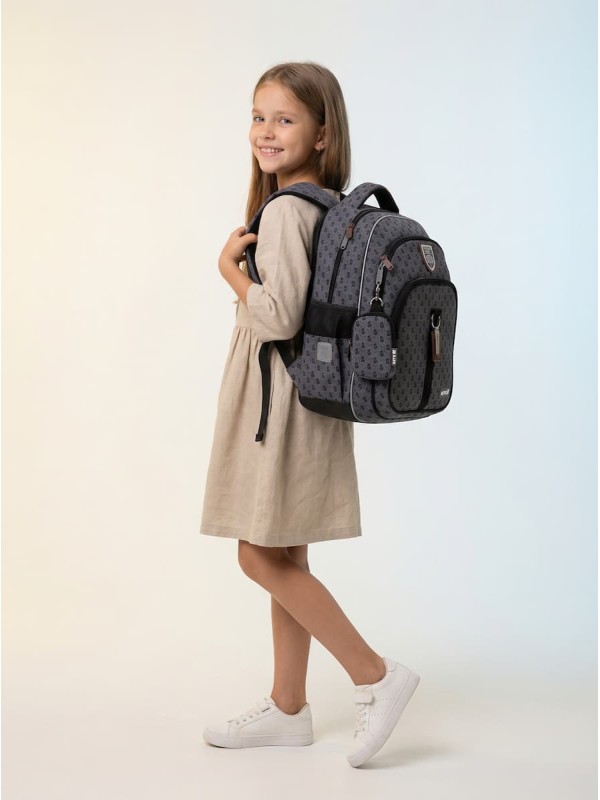
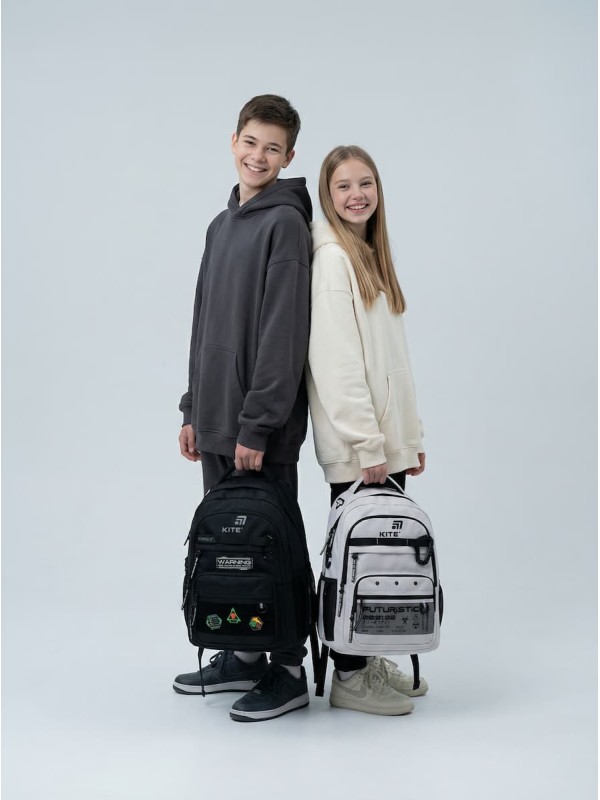
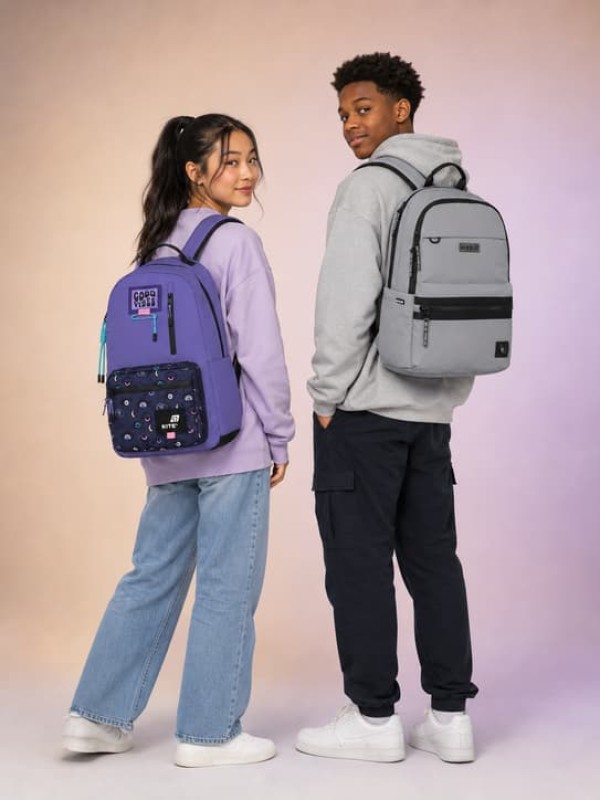
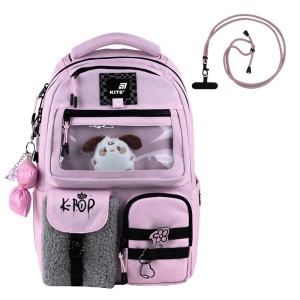
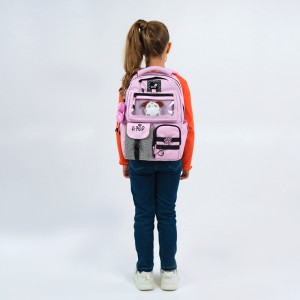
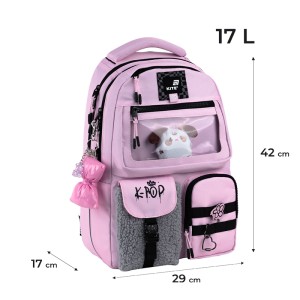
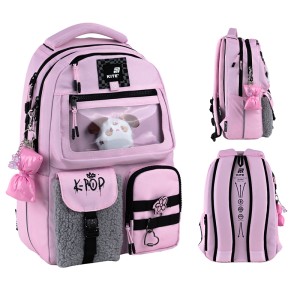
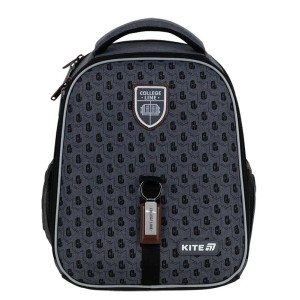
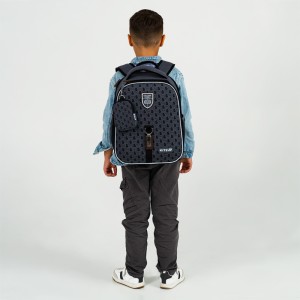
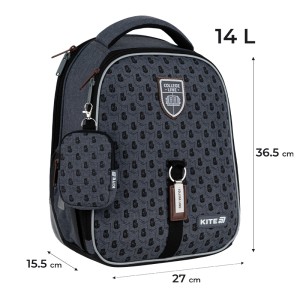
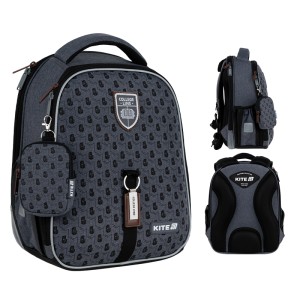
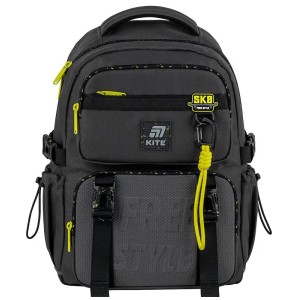
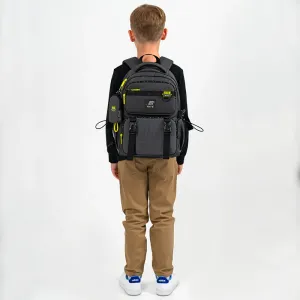
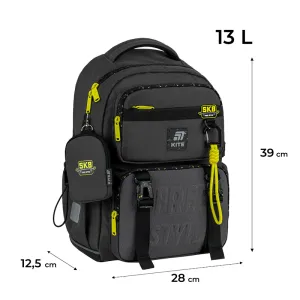
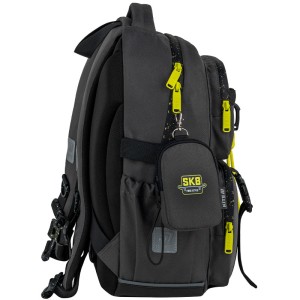
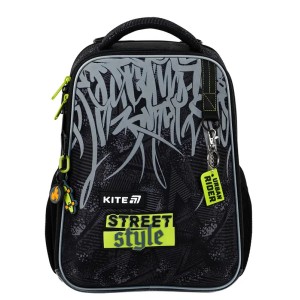
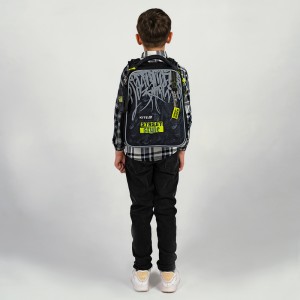
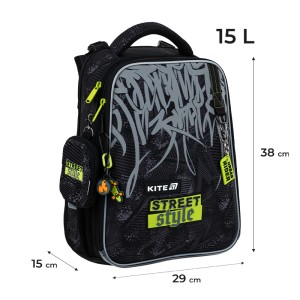
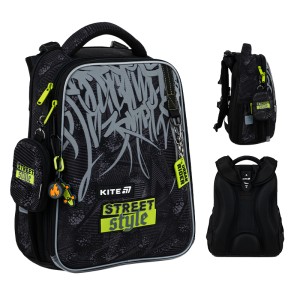
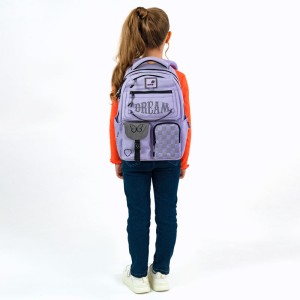
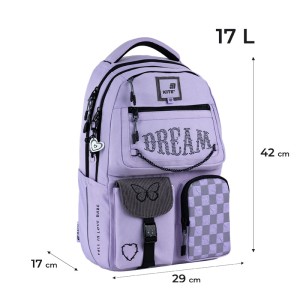
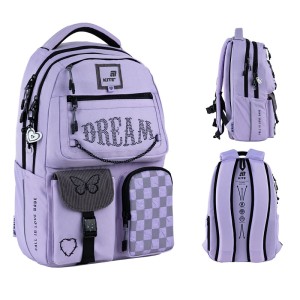
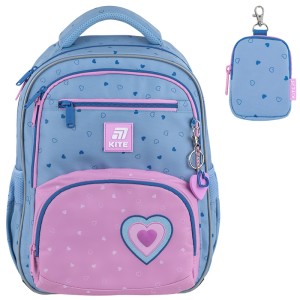
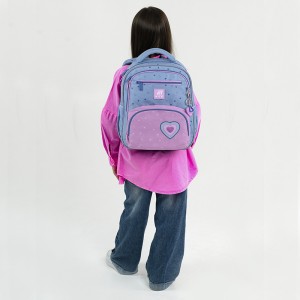
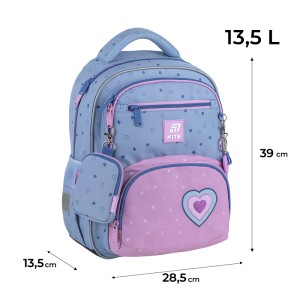
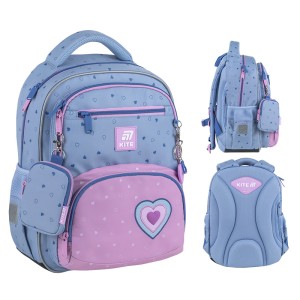
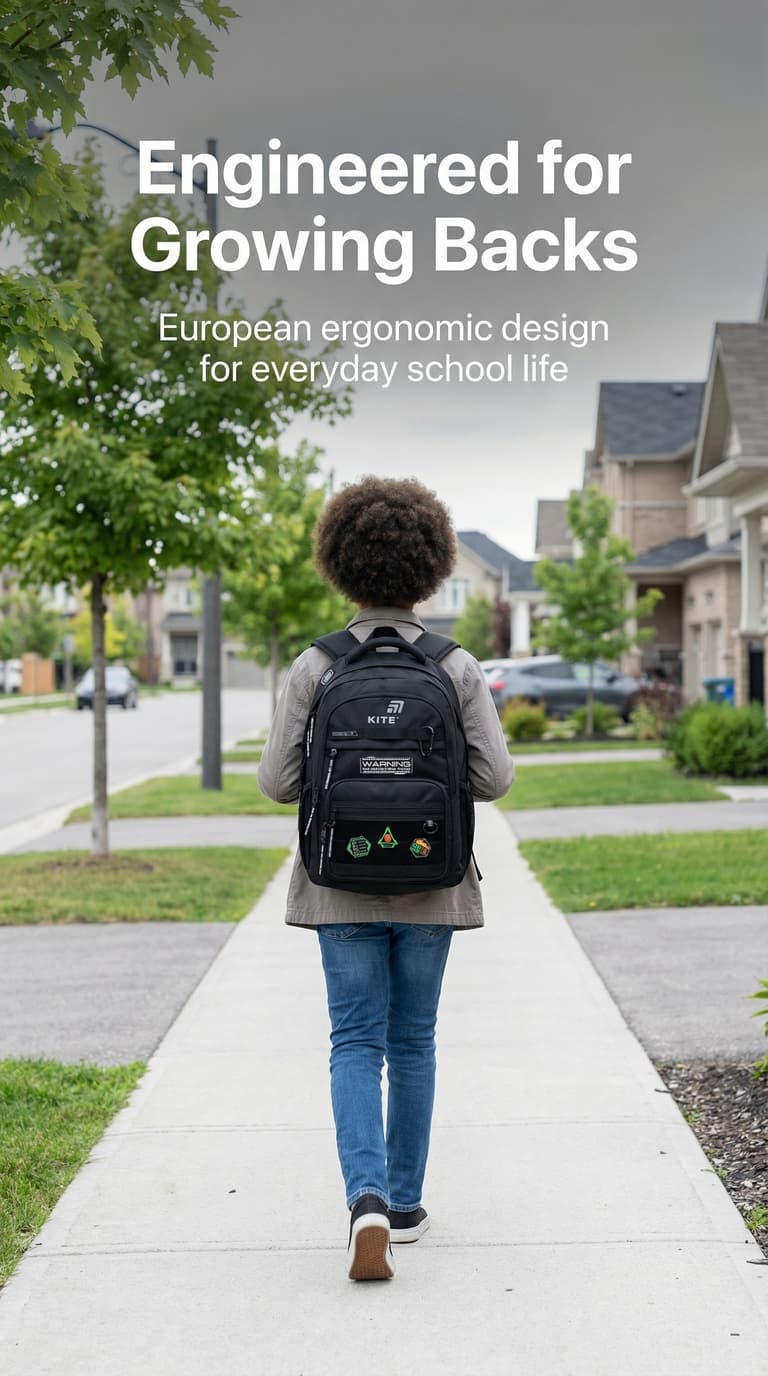
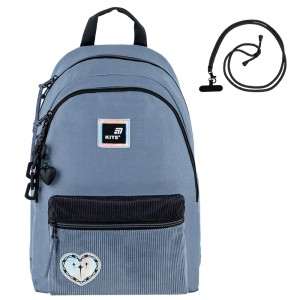
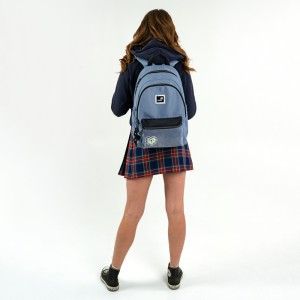
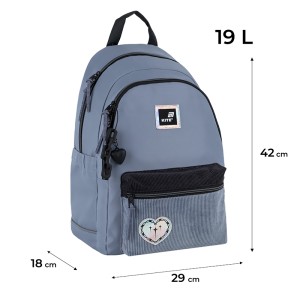
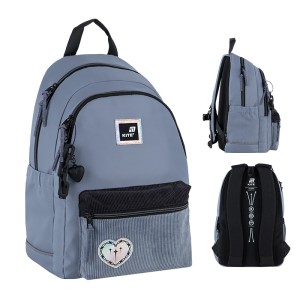
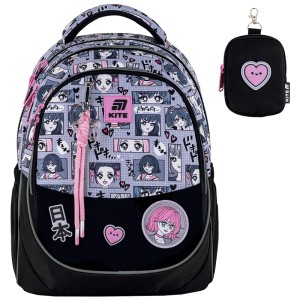
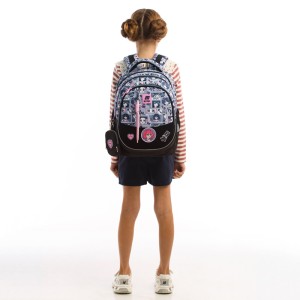
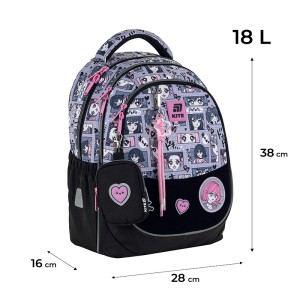
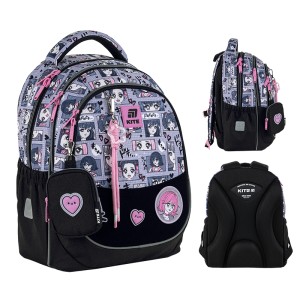
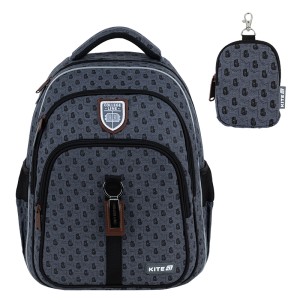
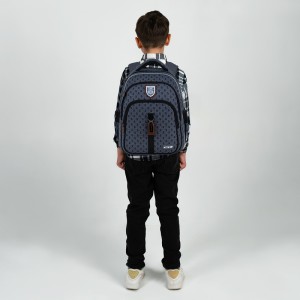
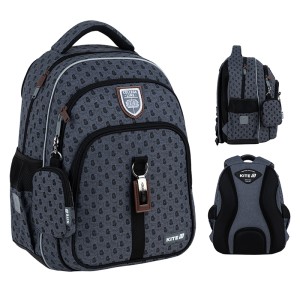
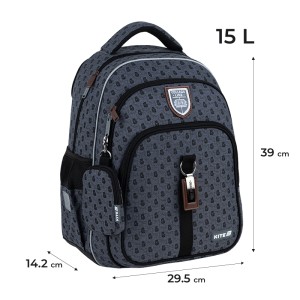
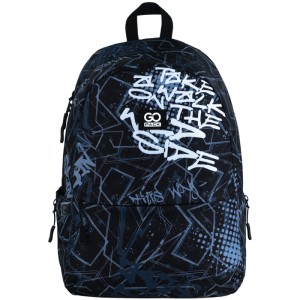
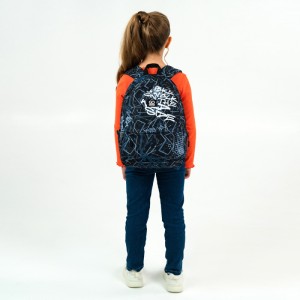
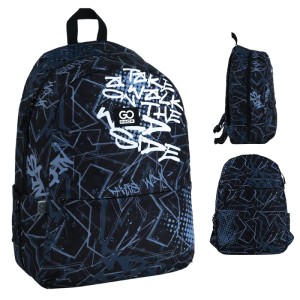
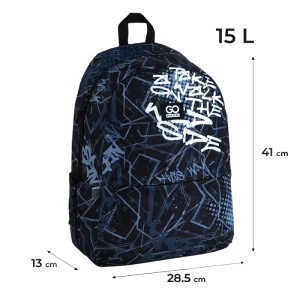
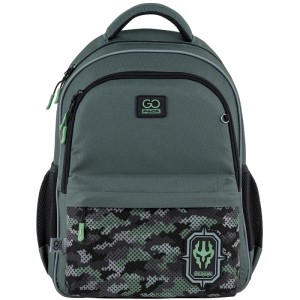
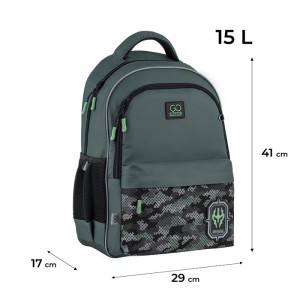
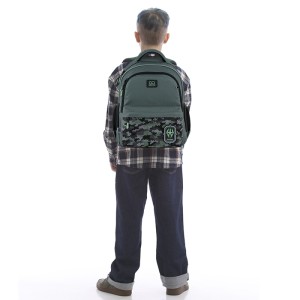
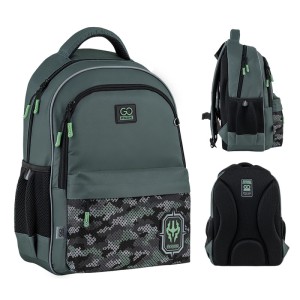
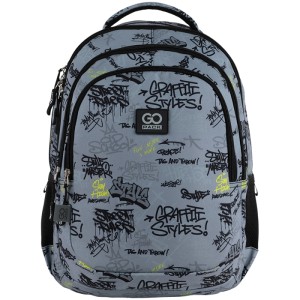
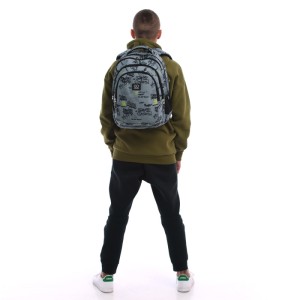
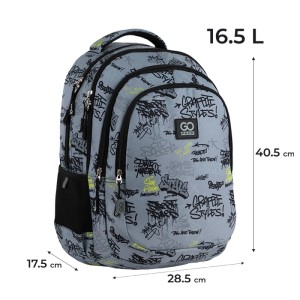
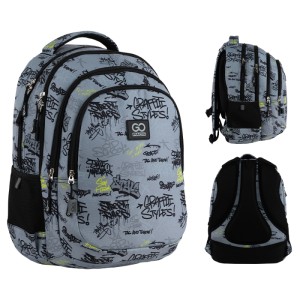
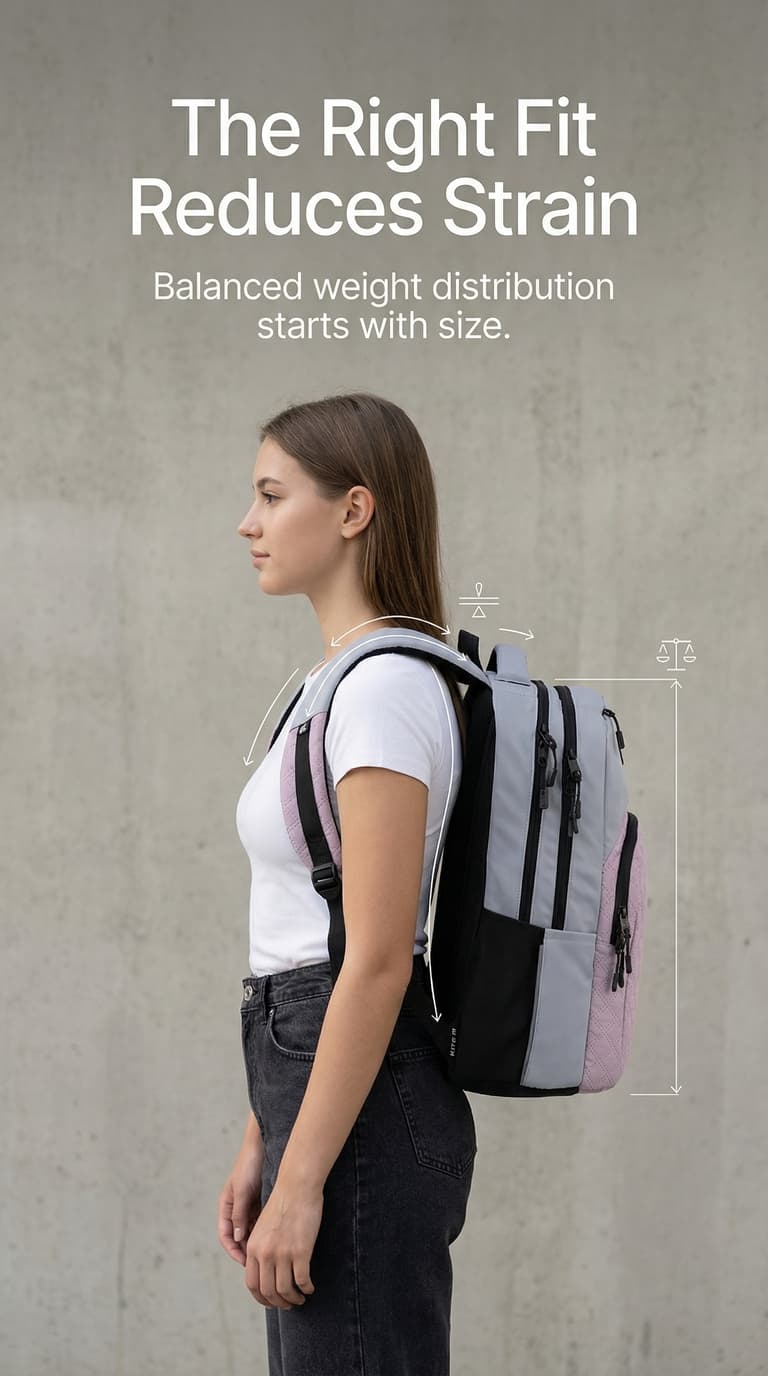
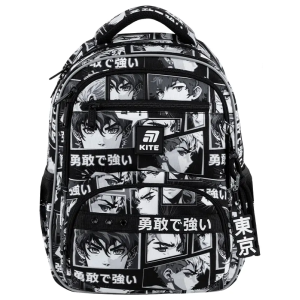
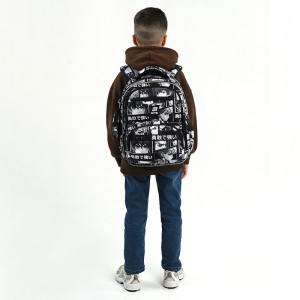
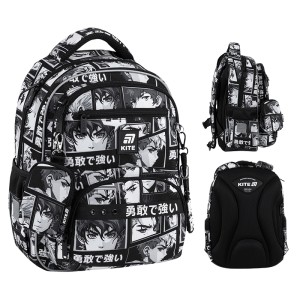
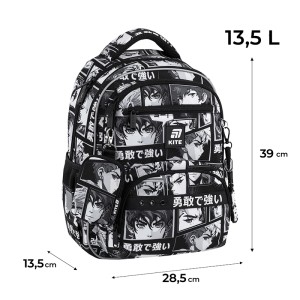
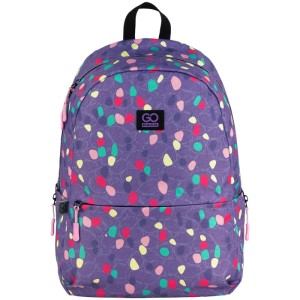
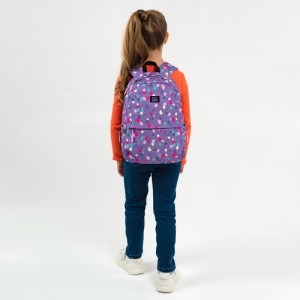
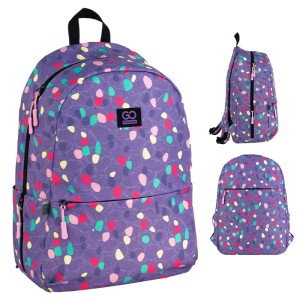
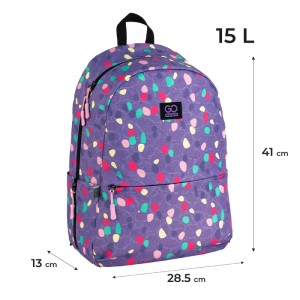
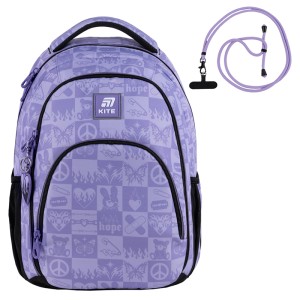
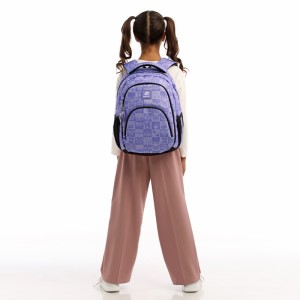
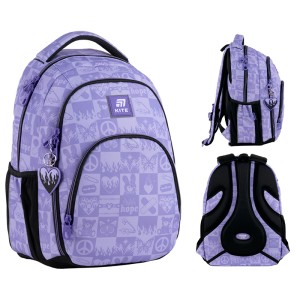
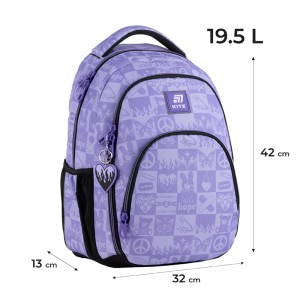
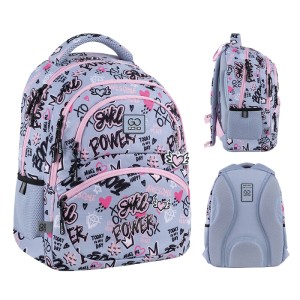
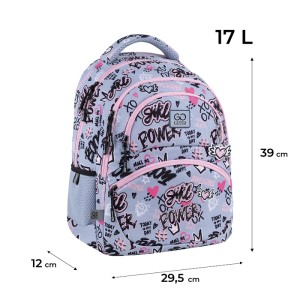
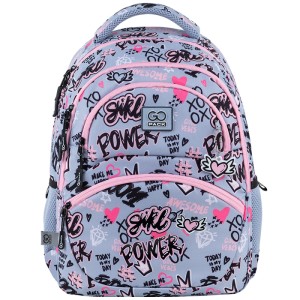
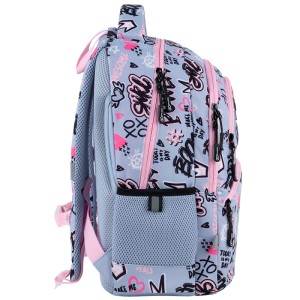
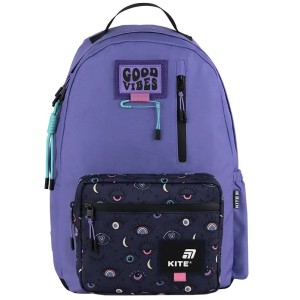
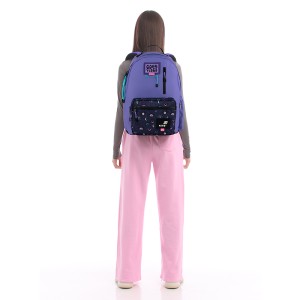
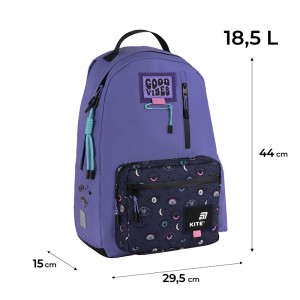
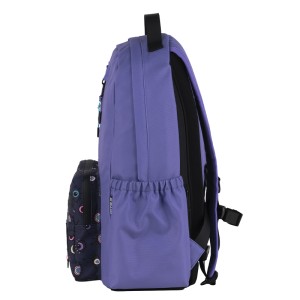
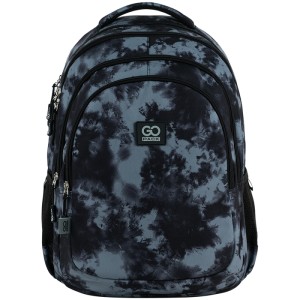
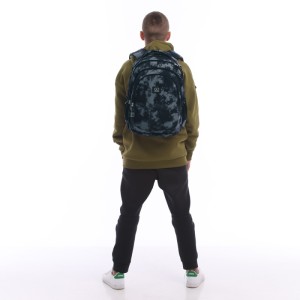
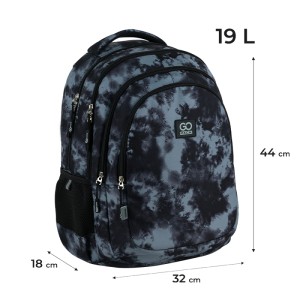
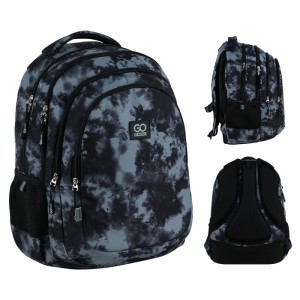
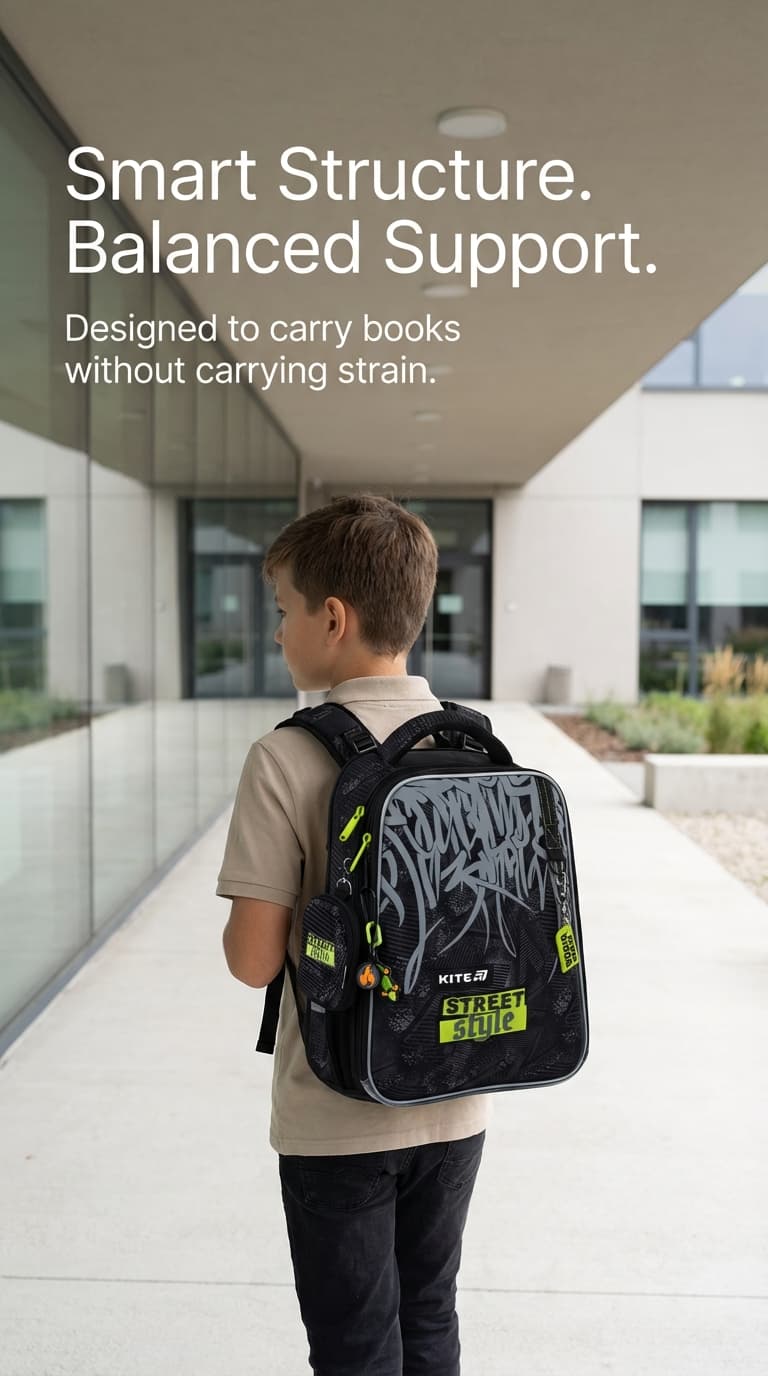
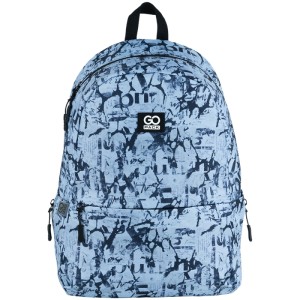
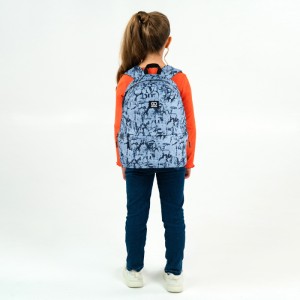
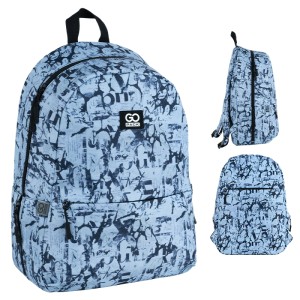
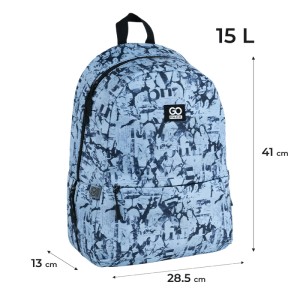
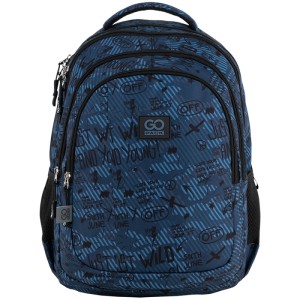
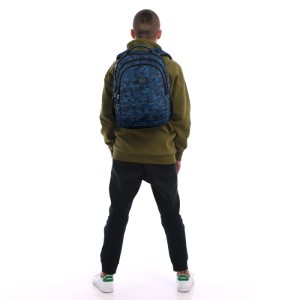
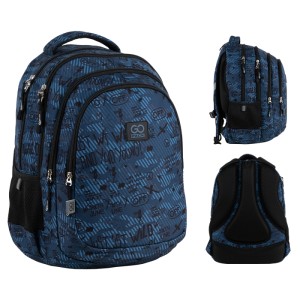
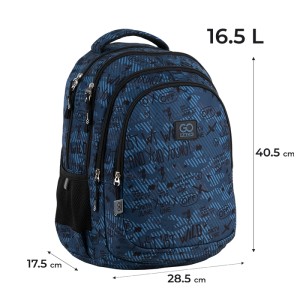
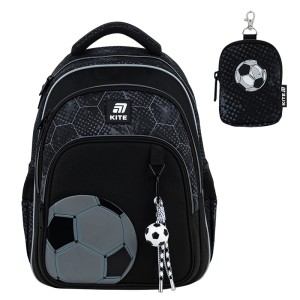
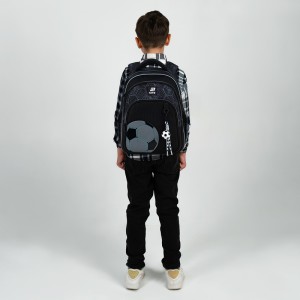
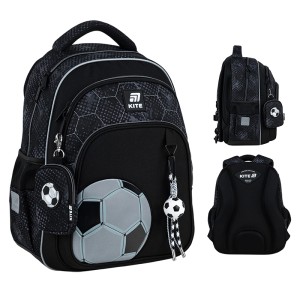
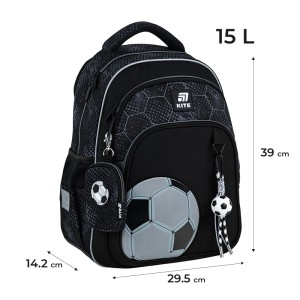
Grade 3–5 is when school loads get heavier - binders, more subjects, lunch, a water bottle, and often a Chromebook or tablet. The right backpack is usually 15–18L, with a structured back panel, chest strap, side bottle pocket, and organized compartments that keep the load high and close to the back. Bag height should sit around 16–18 inches (41–46 cm), with the bottom resting at waist level.
At MyKite.ca, we carry Grade 3–5 backpacks from Kite and GoPack - European school backpack brands built for structured daily carry, growing bodies, and everyday styles kids actually want to wear. Ships from Toronto with free delivery over $75 CAD across Canada.
The backpacks below are selected for upper elementary students who need more capacity and better organization than Grade 1–2 bags - without jumping to the oversized frames designed for middle school.
Why Grade 3–5 Is the Hardest Backpack Stage to Get Right
Grade 3–5 sits between two clear categories: the compact, lightweight bags that work for Grade 1–2, and the high-capacity bags needed for middle school. Students at this stage carry significantly more than they did in early elementary - but they are still growing children, not teenagers. Getting the size wrong in either direction causes real problems.
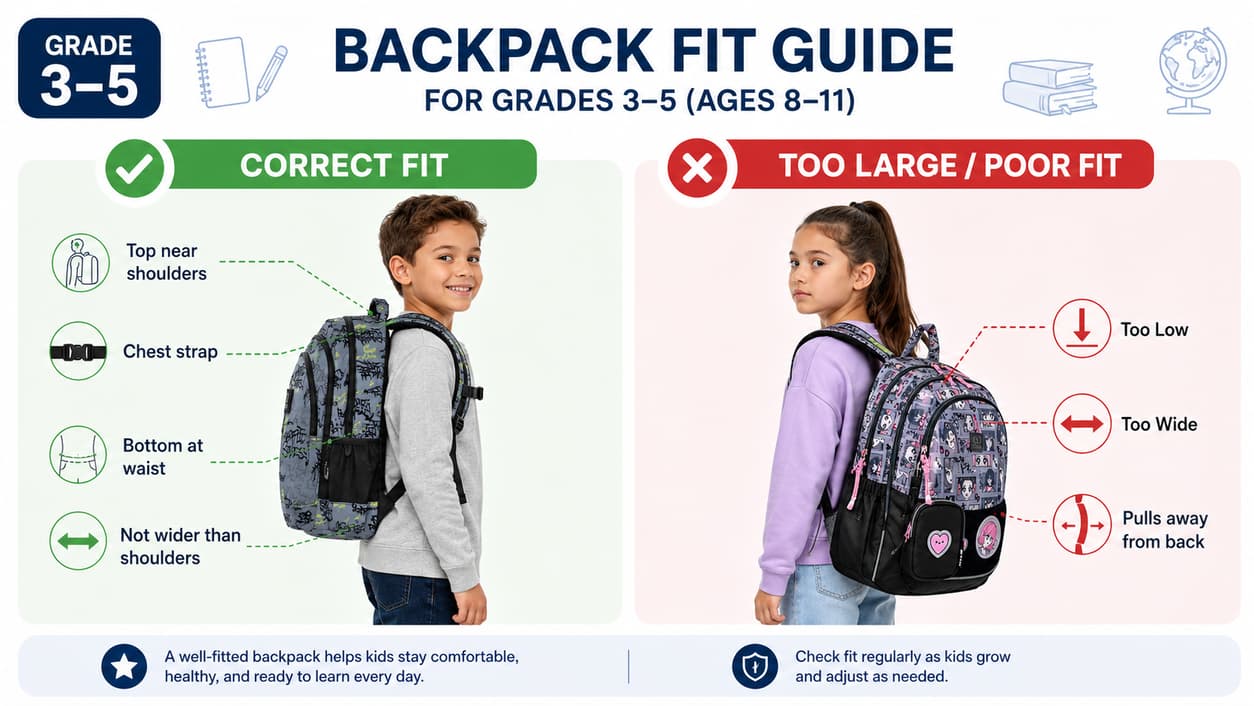
Too small: the bag cannot close properly, items get damaged, and children find workarounds - carrying extra items by hand or stuffing pockets. Too large: the bag hangs below the waist, shifts the centre of gravity backward, and a child this age will fill the available space rather than leave it empty. Backpack safety guidance commonly recommends keeping a loaded child's backpack within 10–15% of body weight - and an oversized bag makes exceeding that limit easy without noticing. See our backpack weight limit guide for the full breakdown by grade.
Fit warning: bottom hangs below the waist · child leans noticeably forward · straps slide off during the walk to school · bag sags away from the back rather than sitting flush · child complains of upper back or neck pain after school · bag hits the back of legs on stairs.
Grade 3–5 Backpack Size at a Glance
Use grade and child height together. At this age, children in the same grade can differ significantly in torso length - the more reliable measurement for bag fit. Our full size guide covers Grade 3–5 within a 15–19L range; 15–18L is the right everyday target, with 19L appropriate for taller Grade 5 students carrying heavier loads.
Grade
Age
Capacity
Bag Height
Fit Check
Grade 3
8–9 years
15–16L
16–17 in (41–43 cm)
Binder + lunch + water bottle; bottom at waist
Grade 4
9–10 years
16–17L
17–18 in (43–46 cm)
More subjects; front pocket for daily organization
Grade 5
10–11 years
17–18L
17–18 in (43–46 cm)
Heavier load; chest strap increasingly important
Tall Grade 5
10–11 years
18–19L
18 in (46 cm) max
Only for taller children with a device or gym gear
The daily load in upper elementary is heavier and more varied than Grade 1–2. A properly sized 15–18L bag should hold all of this without straining:
One or two full-size binders (letter size)
Two to three subject notebooks or workbooks
A lunch bag or lunch box
A 700–800 ml water bottle (in a side pocket)
A pencil case
A library book or reading material
A school-issued Chromebook or tablet (in some Grade 4–5 programs)
Indoor shoes where required
Winter gloves and a hat from October to April
A Chromebook adds roughly 1–1.5 kg to the load. If your child's school issues devices in Grade 4 or 5, factor this in when choosing capacity and check that the bag has a padded tech sleeve or a structured main compartment that keeps the device flat. See our lunch bags and water bottles if you want everything to coordinate.
How Grade 3–5 Is Different from Grade 1–2
Factor
Grade 1–2
Grade 3–5
Capacity
10–14L
15–18L
Daily load
Folder, lunch, water bottle
Binders, notebooks, device, lunch, water bottle
Organization needs
Simple: main + one pocket
Front organizer pocket essential for self-management
Chest strap
Critical for narrow shoulders
Genuinely useful under a heavier load
Weight concern
Stay closer to 10% body weight
10–15% - heavier loads make this harder to manage
Style
Playful, bright, character designs
Still fun, more varied - children start forming preferences
Style Starts to Matter More in Grade 3–5
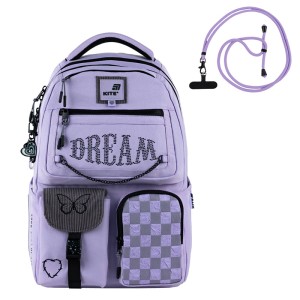
Grade 3–5 is when many children start caring more about how their backpack looks. They may still like bright colours, graphics, sporty details, or playful designs, but they also begin moving toward cleaner styles that feel less childish. The best backpack at this stage balances ergonomic structure with a design the student is willing to carry every day.
Fitting by Child Height
Grade is a guide. Torso height is the more precise fit indicator. Two Grade 4 students can have meaningfully different torso lengths. The same fit rules apply at every height:
Top of bag sits near shoulder level - not above the head
Bottom of bag rests at waist level - not below the hips
Bag is not wider than the child's shoulders
Chest strap clips comfortably across the mid-sternum
Straps do not slide off when the child walks or leans
Child Height
Recommended Bag Height
Capacity Range
50–54 in (127–137 cm)
16–17 in (41–43 cm)
15–16L
54–58 in (137–147 cm)
17–18 in (43–46 cm)
16–18L
58 in+ (147 cm+)
18 in (46 cm) max
17–19L
Features That Matter for Grade 3–5
Structured back panel
Holds the load higher and closer to the spine as weight increases. Prevents the bag from collapsing backward under binders and notebooks.
Chest strap
At this load level, a chest strap meaningfully stabilizes the bag and reduces backward pull during walking or running. Especially useful over a winter jacket.
Front organizer pocket
Grade 3–5 students manage their own packing. A structured front pocket - with pen loops, card slots, and small compartments - supports the habits schools start building at this age.
Side water bottle pocket
Keeps 700–800 ml accessible without touching the main compartment. Essential once binders are inside - there is no room to re-pack at recess.
Padded tech sleeve (Grade 4–5)
If the school issues Chromebooks or tablets, a padded internal sleeve keeps the device protected from binder corners and book weight - and flat, not diagonal.
Reinforced bottom + water resistance
By Grade 3–5, students are often moving between buildings, onto buses, and through wet entrances independently. A reinforced, water-resistant base protects contents without needing parent oversight.
What Canadian Schools Actually Ask of Grade 3–5 Backpacks
Upper elementary students in Canada manage more of their school day independently than younger kids - but the environmental conditions are the same:
Winter layers
Snow pants, parkas, and winter boots are part of the daily school routine October through April. Shoulder straps need to fit over a winter jacket without forcing the bag below the waist.
Lockers begin
Some Grade 4–5 students get their first locker. The bag needs a slim enough profile to fit without forcing - oversized depth is the most common problem with wider school bags.
Bus and transit
Grade 3–5 students increasingly ride buses independently. A structured bag that holds its shape is easier to manage in a crowded bus aisle than a soft bag that sags and spreads.
Self-managed packing
By Grade 3, children are expected to pack and unpack their bag without parent help each day. A bag with logical organization makes this genuinely easier - not just convenient.
Kite and GoPack backpacks are designed for European school systems with equivalent seasonal demands - four-season school years, heavy loads, and an emphasis on ergonomic fit for growing students.
For most Grade 3 students, a 15–16L backpack that is 16–17 inches (41–43 cm) tall is the right fit. It should hold a binder, lunch bag, water bottle, and pencil case with the bottom resting at the child's waist. A chest strap helps stabilize the heavier load compared to Grade 1–2.
What size backpack is best for Grade 4 or Grade 5?
Grade 4 students typically do well with 16–17L. Grade 5 students, especially those carrying a Chromebook, may need 17–18L. Taller Grade 5 students with a heavier load can go to 19L - but only if the bag still sits above the hips when worn correctly.
Is an 18L backpack too big for Grade 3?
It depends on the child's height and build. For an average-sized Grade 3 student, 18L is on the large side - it will likely encourage overpacking and may sit too low. A 15–16L bag is the more appropriate fit for most Grade 3 children. If the 18L bag sits correctly at the waist and does not push the child forward, it is acceptable.
Should Grade 3–5 backpacks have a chest strap?
Yes. At this load level - binders, books, lunch, and often a device - a chest strap meaningfully reduces backward pull and keeps the bag flush against the back during the school commute. It is especially useful over a winter jacket, which tends to push shoulder straps outward.
Do Grade 4–5 backpacks need a laptop or tablet sleeve?
If the school issues a Chromebook or tablet in Grade 4 or 5, a padded tech sleeve is worth having. It protects the device from binder corners and book weight, and keeps it flat inside the bag. Not all Kite and GoPack models include a dedicated sleeve - check the product details if this is a priority.
How heavy should a Grade 3–5 backpack be when loaded?
A practical target is 10–15% of the child's body weight. For a 65 lb (30 kg) Grade 4 student, that means a maximum of about 6.5–9.7 lb (3–4.5 kg) loaded. Upper elementary is often the stage where backpacks start exceeding this limit - particularly when a device is added. See our full backpack weight limit guide.
Can a Grade 3–5 student use the same backpack for multiple years?
Possibly one to two years, if the bag still fits correctly and the load hasn't changed significantly. Reassess at the start of each school year: check that the bottom still sits at the waist, straps still adjust to fit, and the capacity matches the current load. A bag that fit in Grade 3 may no longer be appropriate by Grade 5 if the child has grown significantly.
Are Kite and GoPack backpacks good for Grade 3–5?
Yes. Both brands offer models in the 15–18L range with structured back panels, chest straps, organized front pockets, and reinforced construction designed for daily school use. Kite focuses on ergonomic back support and Air Comfort ventilation. GoPack prioritizes practical organization with dedicated compartments for the typical upper elementary load. Both ship from Toronto across Canada.
What is the difference between a Grade 3–5 and a Grade 6–8 backpack?
Mainly capacity and device support. Grade 6–8 bags are typically 18–22L and are built around carrying a laptop, multiple binders, and a heavier daily load across more subjects. They often have a dedicated laptop compartment, more structured internal dividers, and sometimes load lifter straps. A Grade 3–5 student does not need that capacity - and carrying it empty or overpacked creates the same problems as any oversized bag.
Are rolling backpacks practical for Grade 3–5 in Canada?
Generally no. By Grade 3, students are moving through stairs, buses, outdoor walkways, and winter slush independently. Rolling backpacks are heavy empty, awkward on stairs, and not permitted in many Canadian schools. A structured carried backpack in the right size is a better fit for this age and the Canadian school environment.