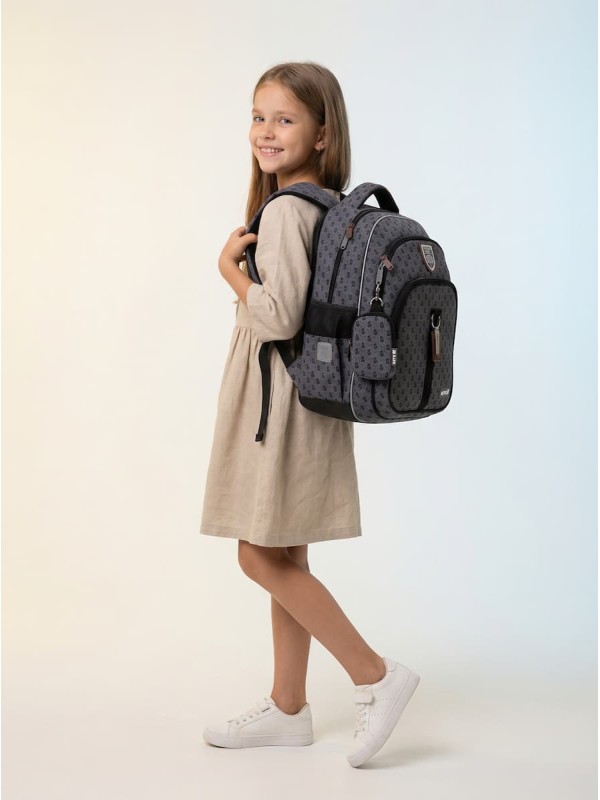
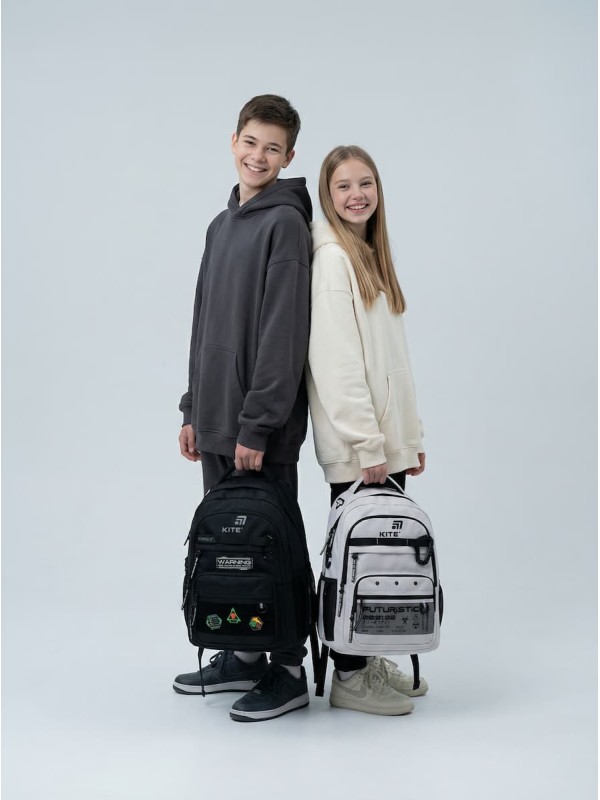
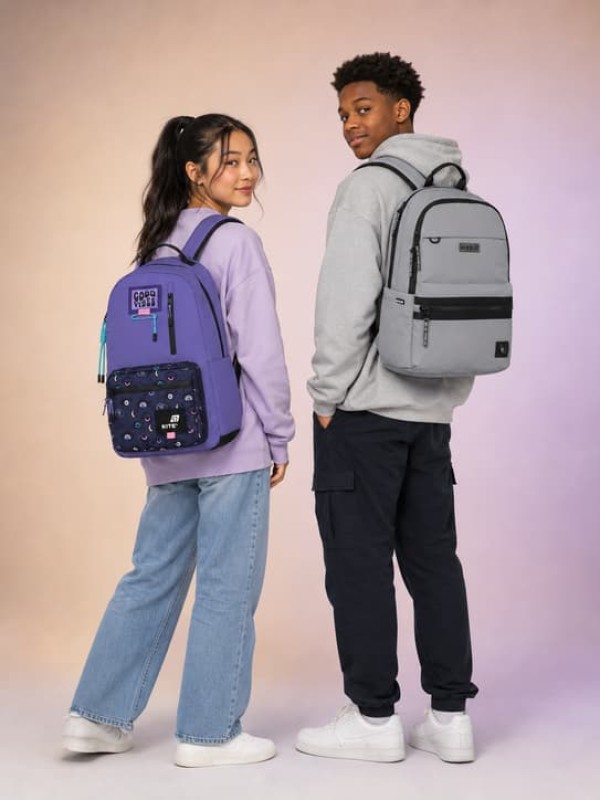
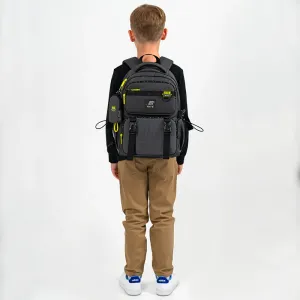
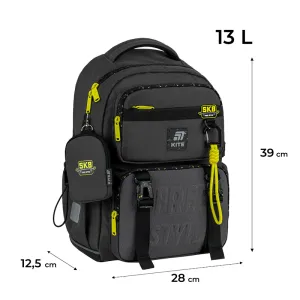
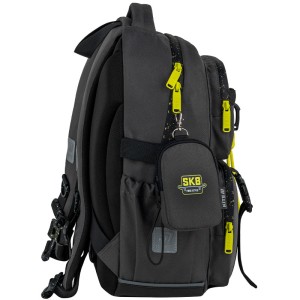
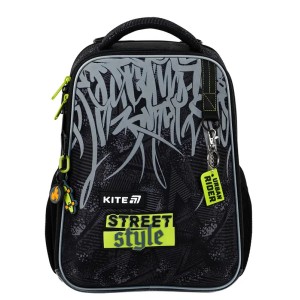
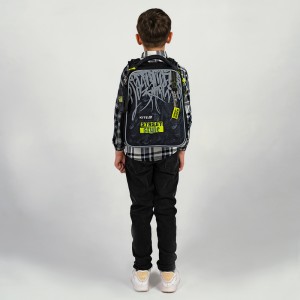
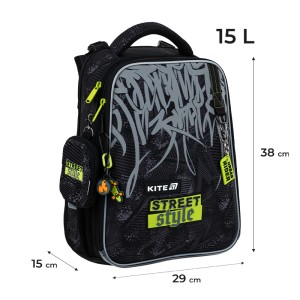
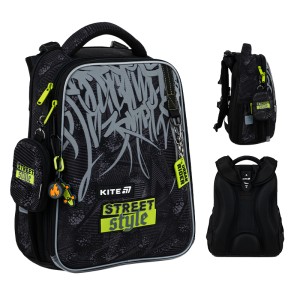
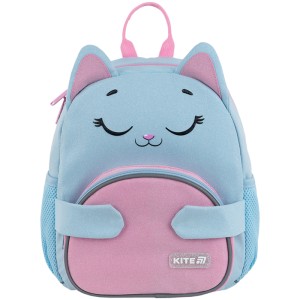
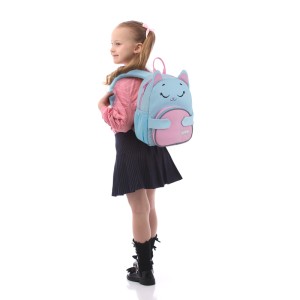
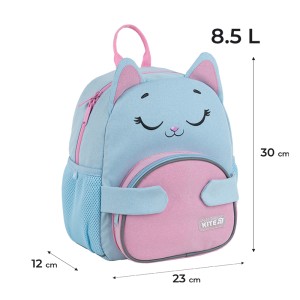
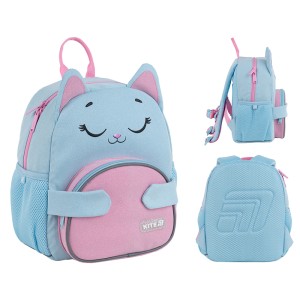
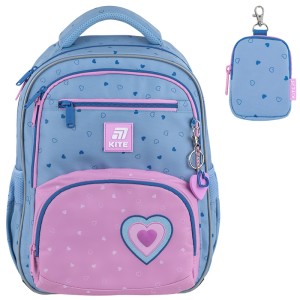
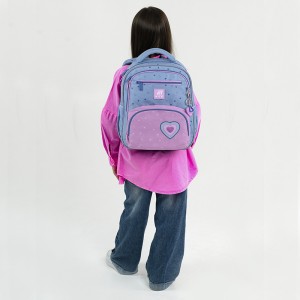
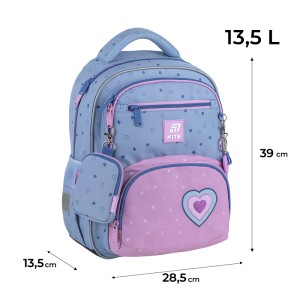
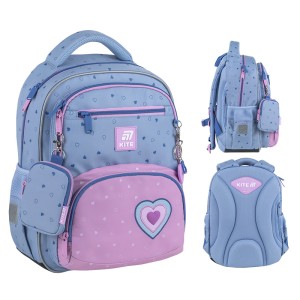
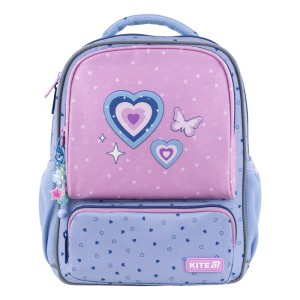
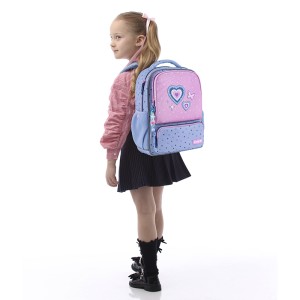
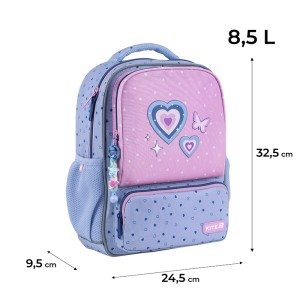
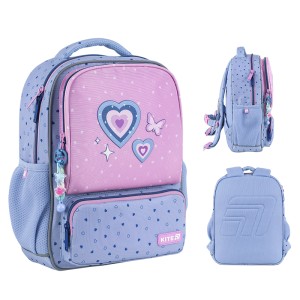
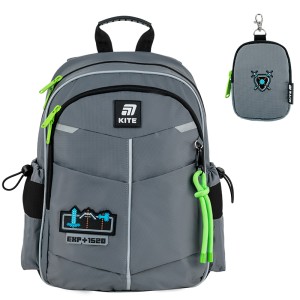
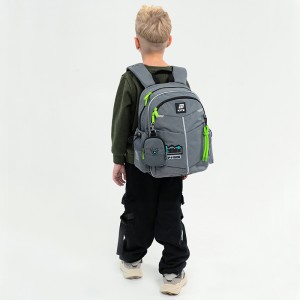
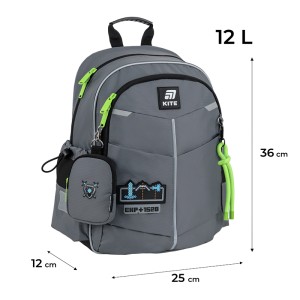
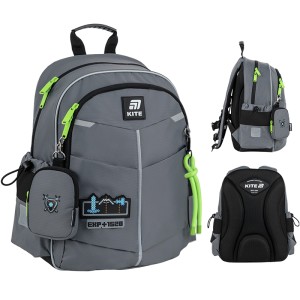
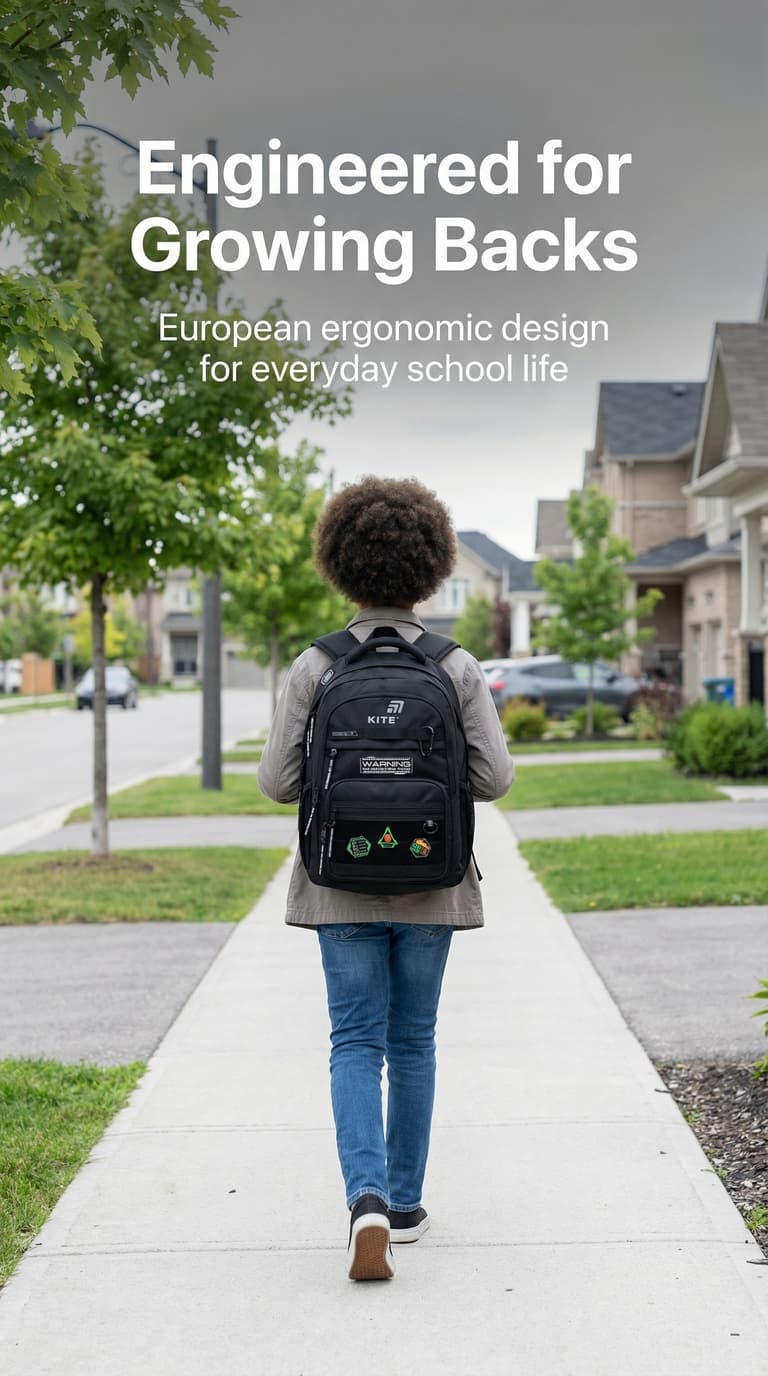
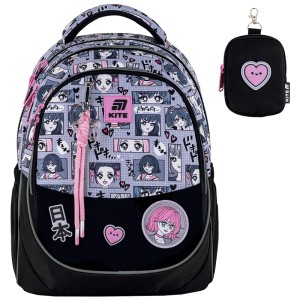
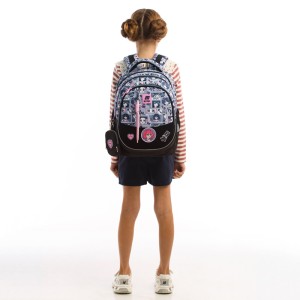
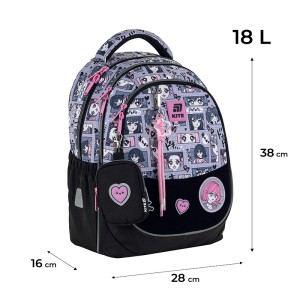
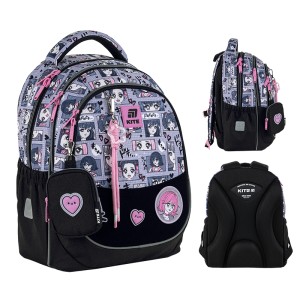
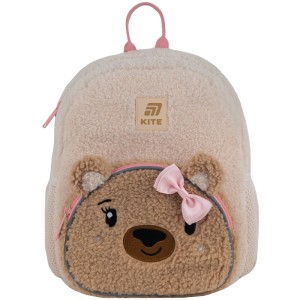
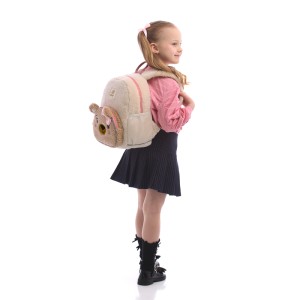
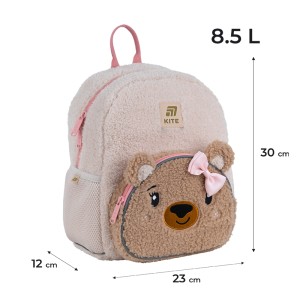
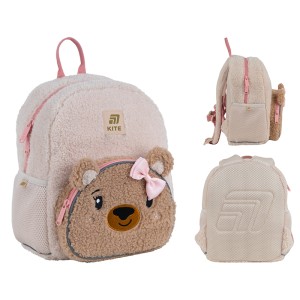
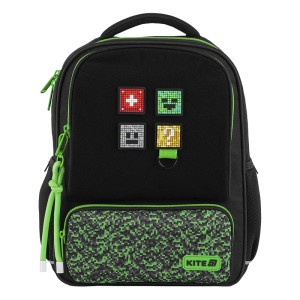
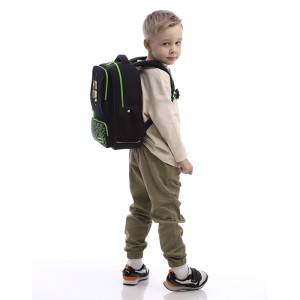
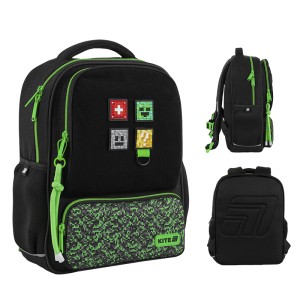
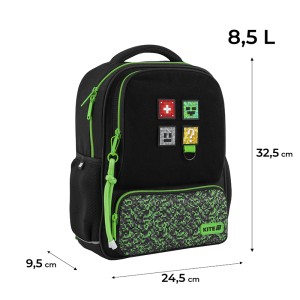
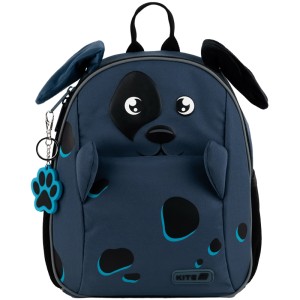
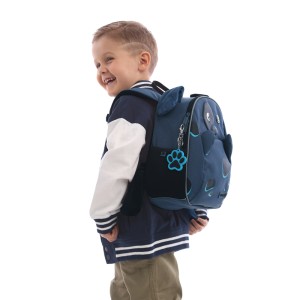
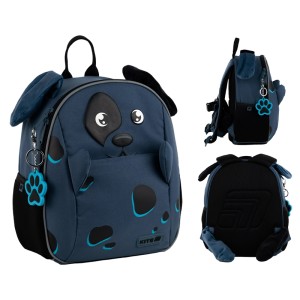
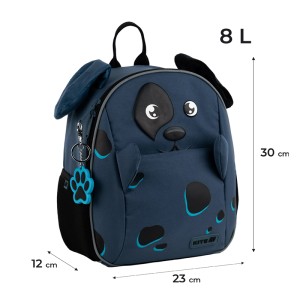
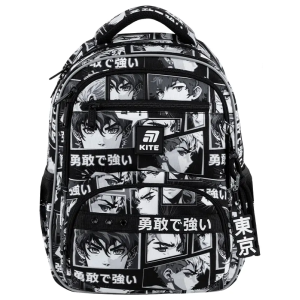
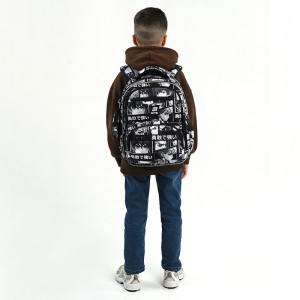
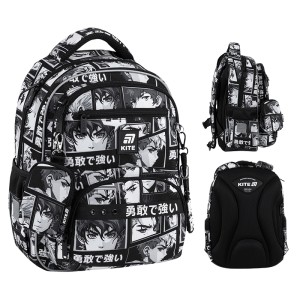
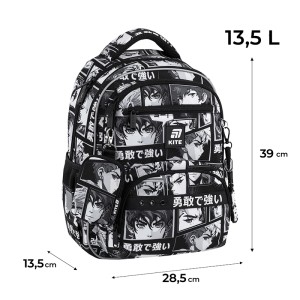
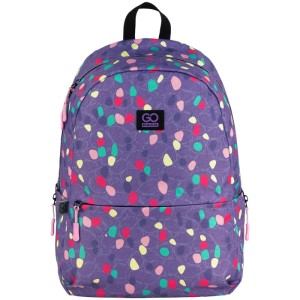
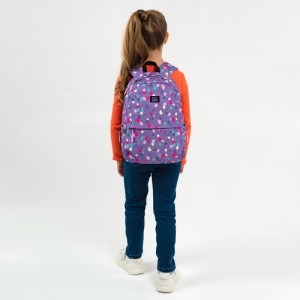
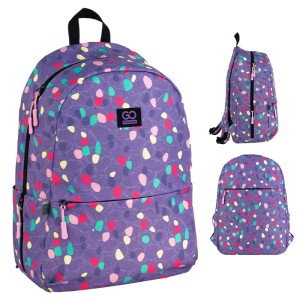
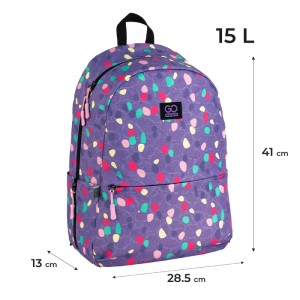
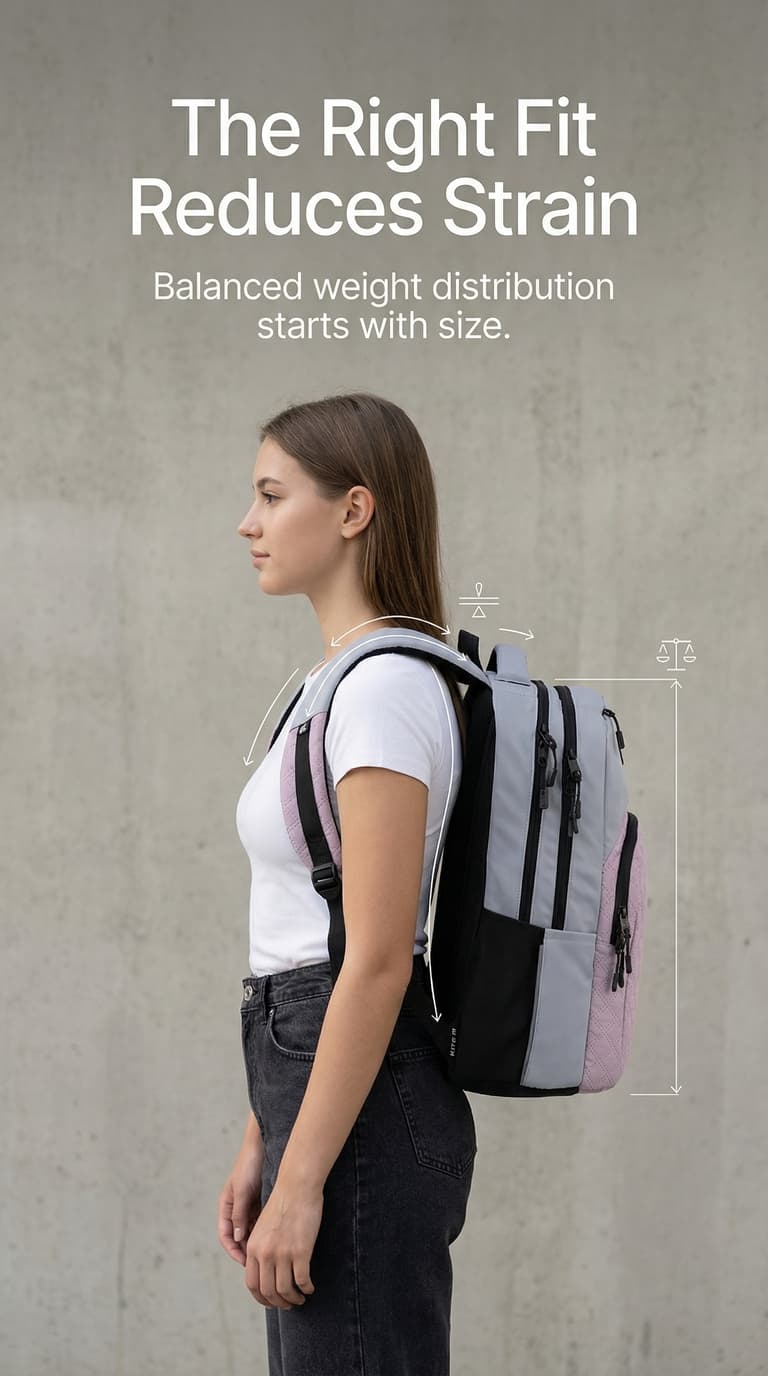
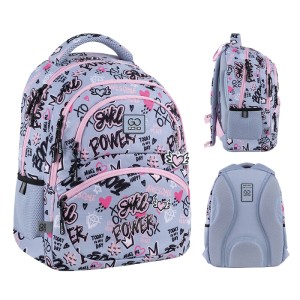
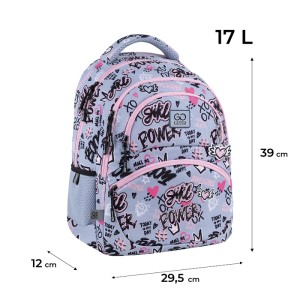
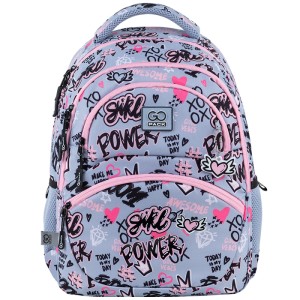
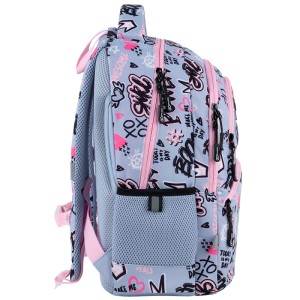
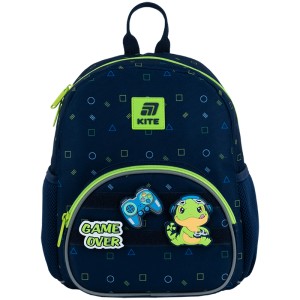
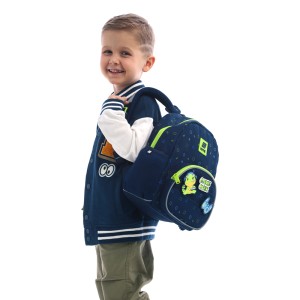
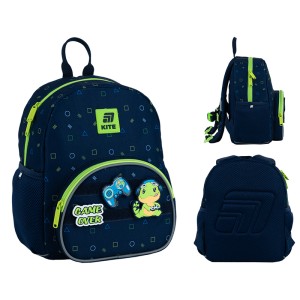
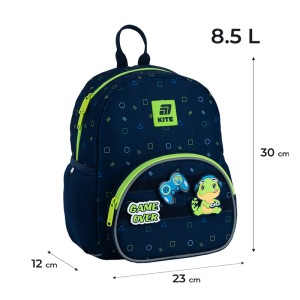
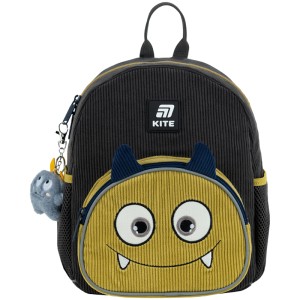
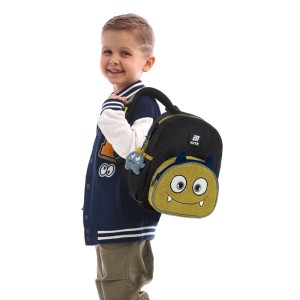
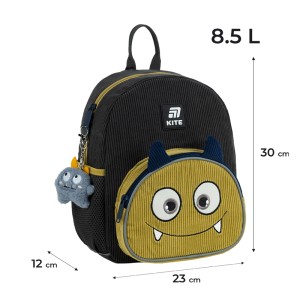
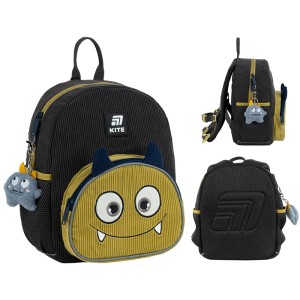
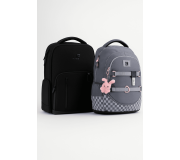
For Grade 1 and Grade 2 students, the right backpack should be compact, structured, and easy to manage independently. Look for 10–14L capacity, a bag height around 15–16 inches (38–41 cm), padded shoulder straps, a chest strap, and enough room for a folder, lunch bag, water bottle, and small daily school items — without the bag hanging below the waist.
At MyKite.ca, we carry Grade 1–2 backpacks from Kite and GoPack - European school backpack brands built for proper fit, simple organization, and daily elementary school use. Ships from Toronto with free delivery over $75 CAD across Canada.
The backpacks below are selected for early elementary students who need enough space for daily school essentials without oversized frames designed for older children.
Most Parents Buy Too Large — Here's Why That Backfires
It is a natural instinct: buy a bigger bag so your child can grow into it. For older kids that logic sometimes makes sense. For Grade 1–2, it regularly backfires.
An oversized backpack on a six-year-old shifts weight away from the child's centre of gravity, forcing them to lean forward to compensate. Straps slide off narrow shoulders. The bag bumps the back of their legs on stairs. Backpack safety guidance commonly recommends keeping a loaded child's backpack within 10–15% of body weight, with younger elementary students staying closer to 10% — and a bag that's too large makes overloading much easier. See our backpack weight limit guide for the full breakdown.
Fit warning: bottom hangs below the waist · child leans forward while walking · straps slide off the shoulders · top of the bag reaches or passes the back of the child's head · bag is wider than the child's shoulders · child struggles to open zippers alone.
Grade 1–2 Backpack Size at a Glance
Children vary significantly at this age, so use height alongside grade as your guide. Our main school backpacks collection groups JK through Grade 2 at 12–15L. For a dedicated Grade 1–2 fit, 10–14L is the more precise target — the smaller end for Grade 1 students and shorter children, the upper end for taller Grade 2 students with a heavier load.
Grade
Age
Capacity
Bag Height
Fit Check
Grade 1
6–7 years
10–13L
14–15 in (36–38 cm)
Holds folder + lunch; bottom stays at waist
Grade 2
7–8 years
11–14L
15–16 in (38–41 cm)
Room for workbooks; still not oversized
Tall Grade 2
7–8 years
14–15L
16 in (41 cm) max
Only if child has broader shoulders or a heavier load
A properly sized 10–14L bag holds everything a Grade 1–2 student needs — no more, no less:
One standard school folder (letter size, 12 × 9 in)
One lunch bag or lunch box
One 700–800 ml water bottle (in a side pocket)
A small pencil case
One library book or thin workbook
Indoor shoes where the school requires them
Winter gloves or a hat in cold weather
An optional thin change of clothes for younger Grade 1 students
If the bag cannot hold all of that without bulging, it is too small. If it holds twice that easily, it is too large. See our lunch bags and water bottles if you want everything to coordinate.
Grade 1 vs Grade 2: What's Actually Different
Need
Grade 1
Grade 2
Capacity
10–13L is enough
11–14L handles more books
Organization
Simple: main compartment + one pocket
Front pocket supports self-managed packing
Independence
Easy zippers are critical at this stage
More confident managing their own bag
Typical daily load
Folder, lunch, water bottle, gloves
Folder, lunch, books, pencil case, extras
Fitting by Child Height, Not Just Grade
Grade is a starting point. Height is the more reliable fit indicator because children at the same grade can vary by several inches. These rules apply at every height:
Top of bag sits near shoulder level — not above the head
Bottom of bag rests around waist level — not at the hips
Bag is not wider than the child's shoulders
Chest strap sits comfortably across the upper chest
Straps do not slide off with normal movement
Bag does not hit the back of the child's legs when walking
Child Height
Recommended Bag Height
Capacity Range
Under 46 in (117 cm)
13–14 in (33–36 cm)
10–12L
46–50 in (117–127 cm)
14–15 in (36–38 cm)
11–13L
50–54 in (127–137 cm)
15–16 in (38–41 cm)
13–14L
Features That Matter for Grade 1–2
Chest strap
Keeps shoulder straps in place on narrow shoulders and distributes weight more evenly — especially important at this age when shoulders are still narrow and sloped.
Padded back panel
Prevents hard items from pressing into the spine and helps the bag hold its shape under daily load rather than collapsing to the bottom.
Easy-pull zippers
Children this age need to open and close their bag independently. Large zipper pulls make this possible without a parent nearby.
Side water bottle pocket
Keeps the water bottle accessible without opening the main compartment — and prevents unpredictable weight shifts inside the bag.
Reinforced bottom
Grade 1–2 bags get dropped on wet floors, muddy boots, and bus seats constantly. A reinforced base survives the full school year.
Reflective details
Dark Canadian mornings and bus stops from October through March make visibility a practical safety feature — not a marketing one.
What Canadian Schools Actually Ask of Grade 1–2 Backpacks
A bag designed for a California classroom does not always translate to a Canadian winter school day. Here is what Grade 1–2 students across Canada deal with daily:
Winter layers
Snow pants, winter jacket, boots, gloves, and a hat are part of the school routine from October to April. The bag needs to close fully on a rushed morning.
Wet floors
Slush, puddles, and wet boots make a reinforced, water-resistant bottom non-negotiable for Grade 1–2 bags set down at school entrances.
Hooks and cubbies
Most Grade 1–2 classrooms use open hooks, not lockers. A strong top loop for hanging is essential — and the bag needs to sit flat against the wall without falling.
First independent use
Grade 1 is often the first year a child manages their own bag daily. Simple pockets, logical layout, and easy zippers matter more than maximum storage at this stage.
Kite and GoPack backpacks are designed for European school systems with similar seasonal demands — structured school days, heavy winter conditions, and an emphasis on ergonomic fit from an early age.
For most Grade 1 students, a 10–13L backpack that is 14–15 inches (36–38 cm) tall is the right fit. It should hold a standard folder, lunch bag, water bottle, and small daily items without hanging below the child's waist. A chest strap helps keep the bag stable on narrower shoulders.
What size backpack is best for Grade 2 in Canada?
Grade 2 students do well with 11–14L and a bag height of 15–16 inches (38–41 cm). The slight size increase over Grade 1 accommodates workbooks and a growing daily load while keeping the bag proportionate to the child's frame.
Is a 15L or 18L backpack too big for Grade 1?
Yes. A 15L bag is often borderline for Grade 1, and an 18L bag is too large for most six-year-olds. Oversized bags encourage overloading, shift weight away from the child's centre of gravity, and force them to lean forward. For Grade 1, stay at 10–13L.
Should I buy a bigger backpack so my child can grow into it?
Not for Grade 1–2. Unlike clothing, a backpack that is too large causes daily discomfort and posture strain. An oversized bag on a small child shifts weight backward, slides off the shoulders, and makes overloading easy. Buy for the current year and size up when the grade warrants it.
Should Grade 1–2 backpacks have a chest strap?
Yes. Young children have narrower, more sloped shoulders than older students. A chest strap keeps the shoulder straps from sliding off, distributes weight more evenly, and keeps the bag sitting correctly against the back throughout the school day.
Are kindergarten backpacks too small for Grade 1?
Often yes. Kindergarten bags are typically 8–10L and 13 inches tall — enough for a lunch and a small notebook, but not always enough for a full-size folder, lunch bag, water bottle, and winter gloves together. Grade 1 usually needs at least 10–12L.
How heavy should a Grade 1 or Grade 2 backpack be when loaded?
A practical target is 10–15% of the child's body weight, with Grade 1–2 students staying closer to 10% whenever possible. For a 45 lb (20 kg) Grade 1 student, that means roughly 4.5 lb (2 kg) loaded is a reasonable daily maximum. Choosing a lightweight bag — under 600–700g empty — gives more of that allowance to what is inside. See our full backpack weight limit guide.
What should a Grade 1 student actually carry in their backpack?
A typical Grade 1 daily load includes one standard folder, a lunch bag, a water bottle, a small pencil case, and optionally a library book or thin workbook. In winter, add gloves and a hat. Indoor shoes if the school requires them. A properly sized 10–13L bag holds all of it without strain.
Are Kite and GoPack backpacks good for Grade 1–2?
Yes. Kite and GoPack are European ergonomic brands designed specifically for school-aged children. Their Grade 1–2 models feature structured back panels, adjustable chest straps, padded shoulder straps, and size-appropriate dimensions. Both are available at MyKite and ship from Toronto across Canada.
Are rolling backpacks a good option for Grade 1 or Grade 2?
Generally no. Rolling backpacks are heavy empty, difficult on stairs and snow, and not permitted in many Canadian schools. They also do not fit classroom hooks or cubbies. A lightweight ergonomic backpack is a better fit for most Grade 1–2 students.