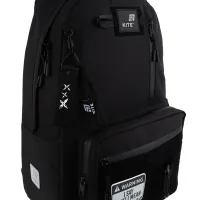




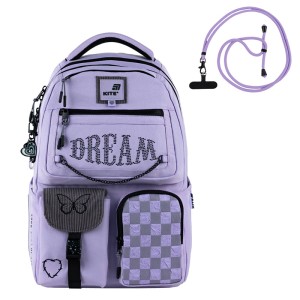
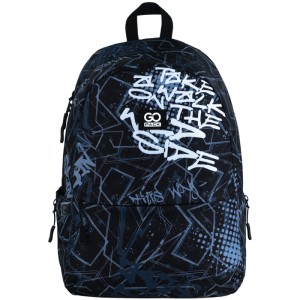
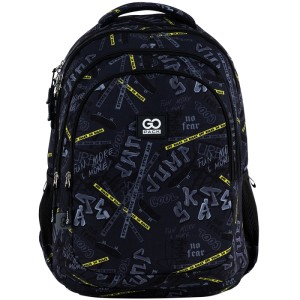
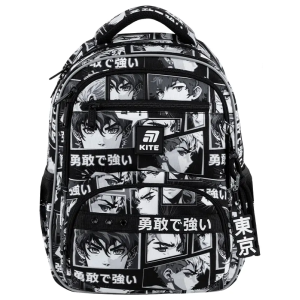
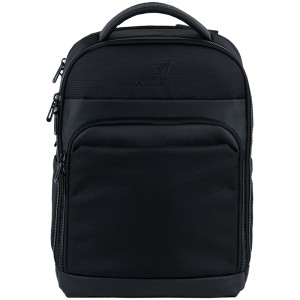
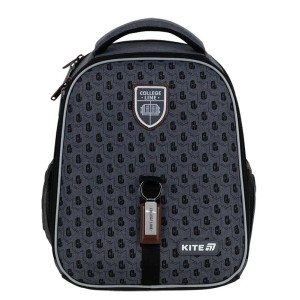
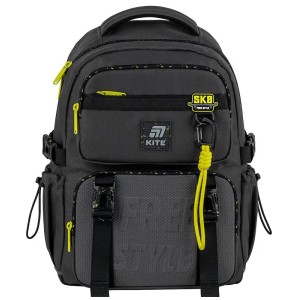
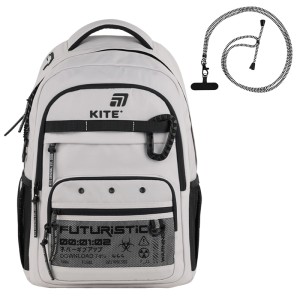
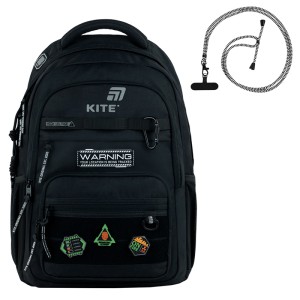
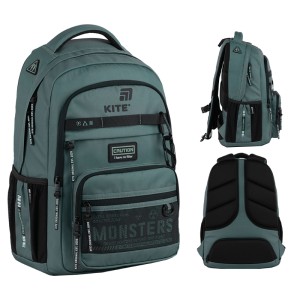
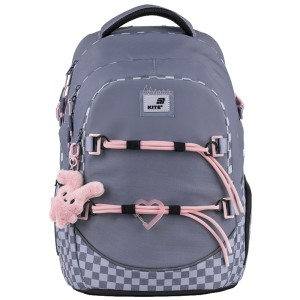
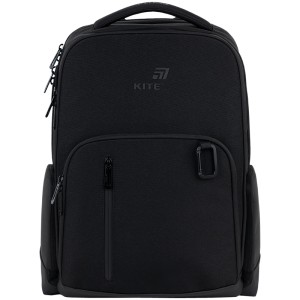
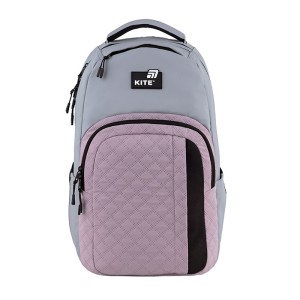
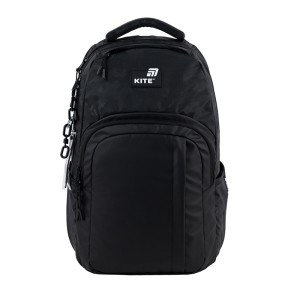
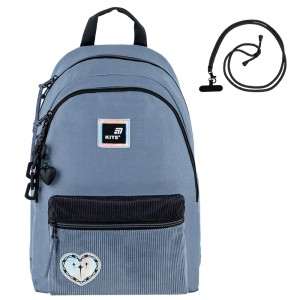
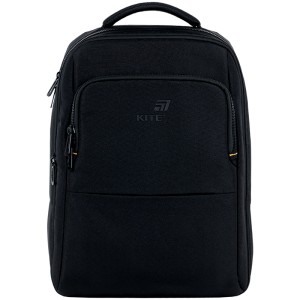
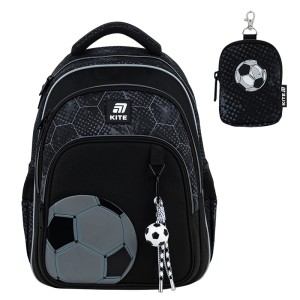
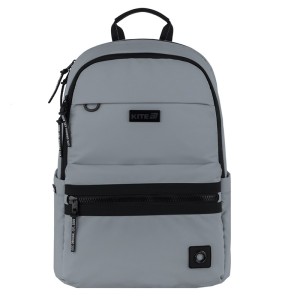
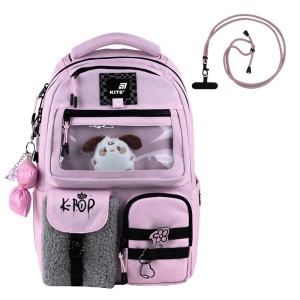
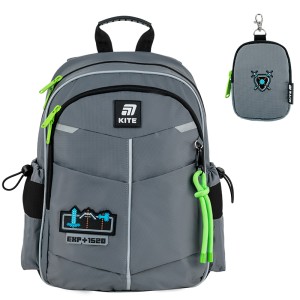
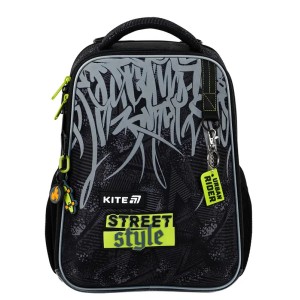
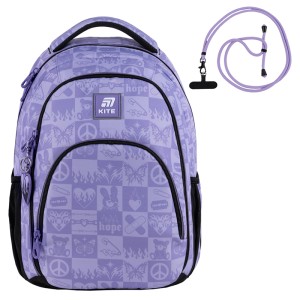
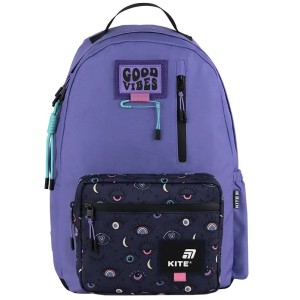
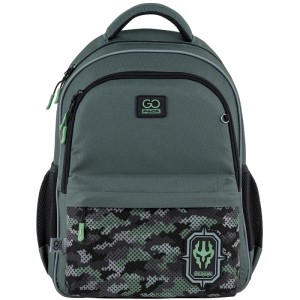

Every backpack in this collection qualifies as ergonomic by one practical standard: it helps keep weight close to the body rather than letting the load pull away from it. These are structured ergonomic backpacks also called ergo backpacks from Kite and GoPack, engineered for school students, teens, and daily commuters across Canada. Not every bag we carry earns a place here. This page lists only models with a structured back panel, S-shaped padded shoulder straps, and a chest strap the three features that separate a genuinely ergonomic design from a bag that just claims to be one.
Browse the full collection below, or jump to the right stage using the links.
Shop ergonomic backpacks by stage
Preschool & kindergarten (ages 3–5) · Elementary school (grades 1–6) · High school (grades 7–12) · Everyday & commuter
Selection Criteria: What Gets Into This Collection
Not every bag we sell qualifies. Every model here meets all three of these structural criteria no exceptions:
Shaped to support the natural curve of the back. Holds its form under load rather than collapsing, keeping weight high and close to the body where it belongs.
Contour around the shoulder and upper chest rather than cutting straight across. Distributes load across the trapezius instead of concentrating it on one point.
Clips across the sternum to pull shoulder straps inward, reducing backward pull during movement. Essential for children, useful for everyone carrying a full load.
Bags without all three of these features, regardless of what the packaging says are not in this collection.
Ergonomic Backpacks by Use Case
Kids - Preschool & Elementary School
The most important age group for ergonomic design. Children's spines, posture habits, and shoulder joints are still forming. A non-structured bag at this stage can increase daily discomfort and encourage forward-leaning posture habits, especially when children carry books, lunch gear, water bottles, and winter clothing. Kite preschool and elementary models are proportioned for small frames, with chest straps designed to stay in place over winter coats and snowsuits. Capacity range: 6–18L depending on grade.
→ Browse elementary ergonomic backpacksTeens - High School
High school students carry the heaviest daily loads: multiple textbooks, a laptop or Chromebook, a lunch container, a water bottle, and often sports gear. At this load level, an unstructured bag can increase shoulder and upper-back strain by letting weight pull away from the body during transit and long school days. Kite and GoPack high school models in the 20–30L range use structured back panels, padded straps, and stabilizing fit features to help keep the load closer to the body.
→ Browse high school ergonomic backpacksAdults - University & Daily Commute
Adult commuters and university students who carry a laptop daily for years accumulate the same postural strain as school students just more slowly. The everyday models included here are specifically the structured versions not lifestyle or fashion bags. They apply the same back panel and strap geometry as the school range, in a slimmer profile suited for offices, campuses, and Canadian transit. Capacity range: 18–28L.
→ Browse everyday ergonomic backpacksKite vs GoPack: Which Is Right?
European structured back panel design with Air Comfort ventilation and lumbar support. The stronger choice for heavier daily loads, longer commutes, and families prioritizing posture above everything else.
Meets all three ergonomic criteria with reinforced construction and practical organization. The stronger value choice for everyday durability without the premium ergonomic price point.
Buying guides
Backpack size by grade (Canada) · Safe backpack weight for kids · Best ergonomic school backpacks (full guide)
Common Questions
What is the difference between an ergonomic and an orthopedic backpack?
Ergonomic refers to how the bag fits and moves with the body — S-shaped straps, chest strap, proportioned torso length. Orthopedic specifically refers to the back panel being structured to support spinal alignment rather than just padded for comfort. Kite models can combine both ideas: an ergonomic fit system with structured back panels that support a more stable, balanced carry under everyday school loads. See our dedicated orthopedic school backpack models page for models with certified orthopedic construction.
Are ergonomic backpacks better for kids?
An ergonomic backpack can be a better choice for kids because it helps keep the load stable and closer to the body. Look for a structured back panel, padded S-shaped straps, and a chest strap — especially for daily school use where children carry books, lunch gear, and a water bottle every day.
What features should an ergonomic school backpack have?
A proper ergonomic school backpack should have a structured back panel, adjustable padded shoulder straps, a chest strap, and enough compartments to keep heavier items positioned close to the back rather than low or far from the body.
Are ergonomic backpacks only for young children?
No. Ergonomic backpacks are useful for preschool, elementary school, high school, university, and daily commuting. The right size and structure depend on the person's height, daily load, and use case — not age alone.
Do ergonomic backpacks fit in Canadian school lockers?
Most Kite and GoPack models in the kids and high school ranges are designed with a slim depth profile — typically under 15 cm — which fits inside standard Canadian school lockers (usually 30 cm deep) alongside a winter jacket. Check each product page for exact dimensions if locker fit is a priority.