




Every school day, Canadian kids carry binders, notebooks, water bottles, lunch bags, devices, and gym clothes to and from school. That load adds up, and the backpack carrying it matters more than most parents realize. The right school backpack fits the child's frame, keeps weight well distributed, stays organized through a full school day, and holds up through a Canadian school year.
This guide walks through the most important factors to compare — from size and safe weight limits to ergonomic features, fit, and materials — so parents can make a more informed decision before buying. You can also explore our full backpack buying guides hub for related comparisons and practical advice.
TL;DR Quick Checklist
Why Choosing the Right School Backpack Matters
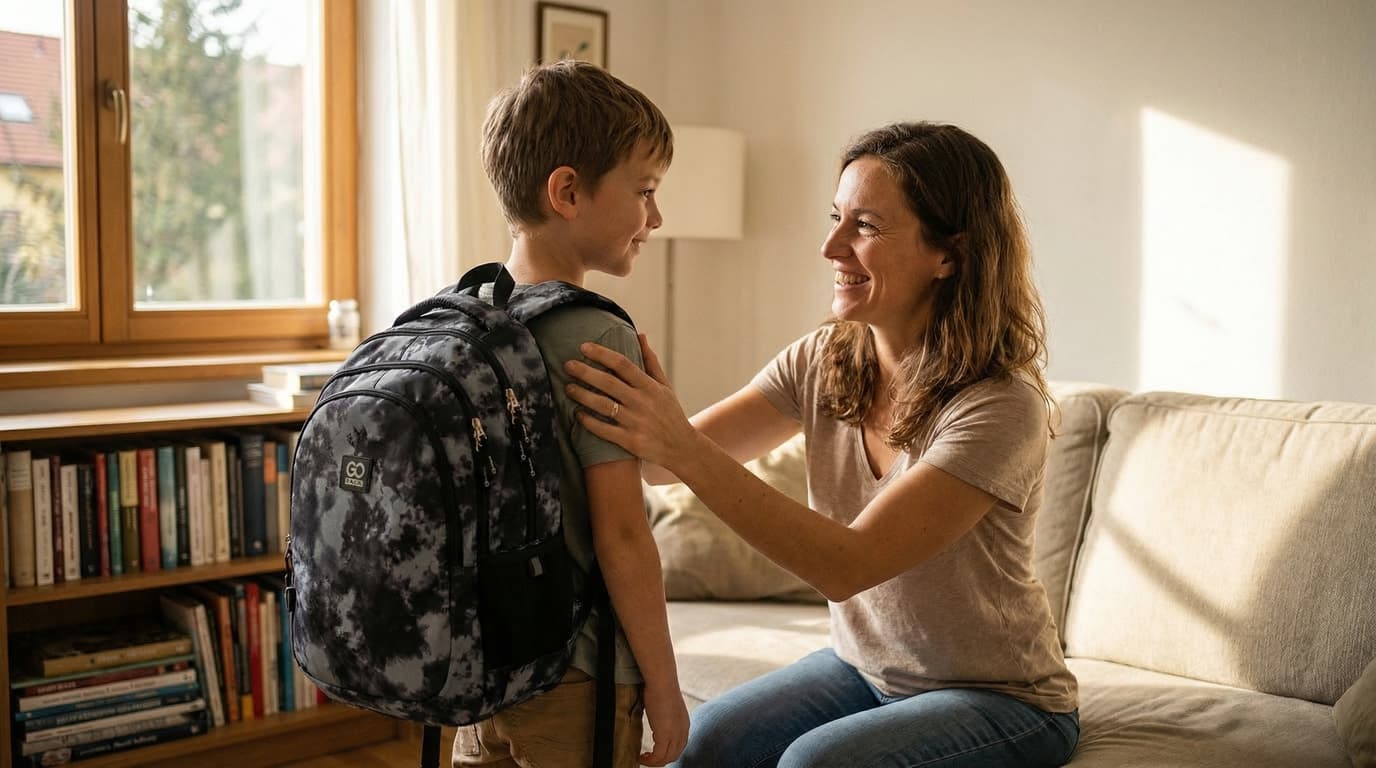
A school backpack is used almost every day for most of the year. Children who walk to school, take transit, or move between classrooms throughout the day are carrying their bag for longer than many parents assume. A backpack that does not fit properly, weighs too much when empty, or lacks proper support can make that daily load harder to manage.
The typical daily school load often includes binders, notebooks, a lunch bag, water bottle, pencil case, indoor shoes, and increasingly a tablet or laptop. For upper elementary, middle school, and high school students, the load usually gets heavier. That is why fit, size, and design matter just as much as style.
Choosing well from the start is usually better than buying the biggest or cheapest option available. Browse our full range of school backpacks or go directly to our kids backpacks collection to compare options by age and stage.
Backpack Size Guide by Grade
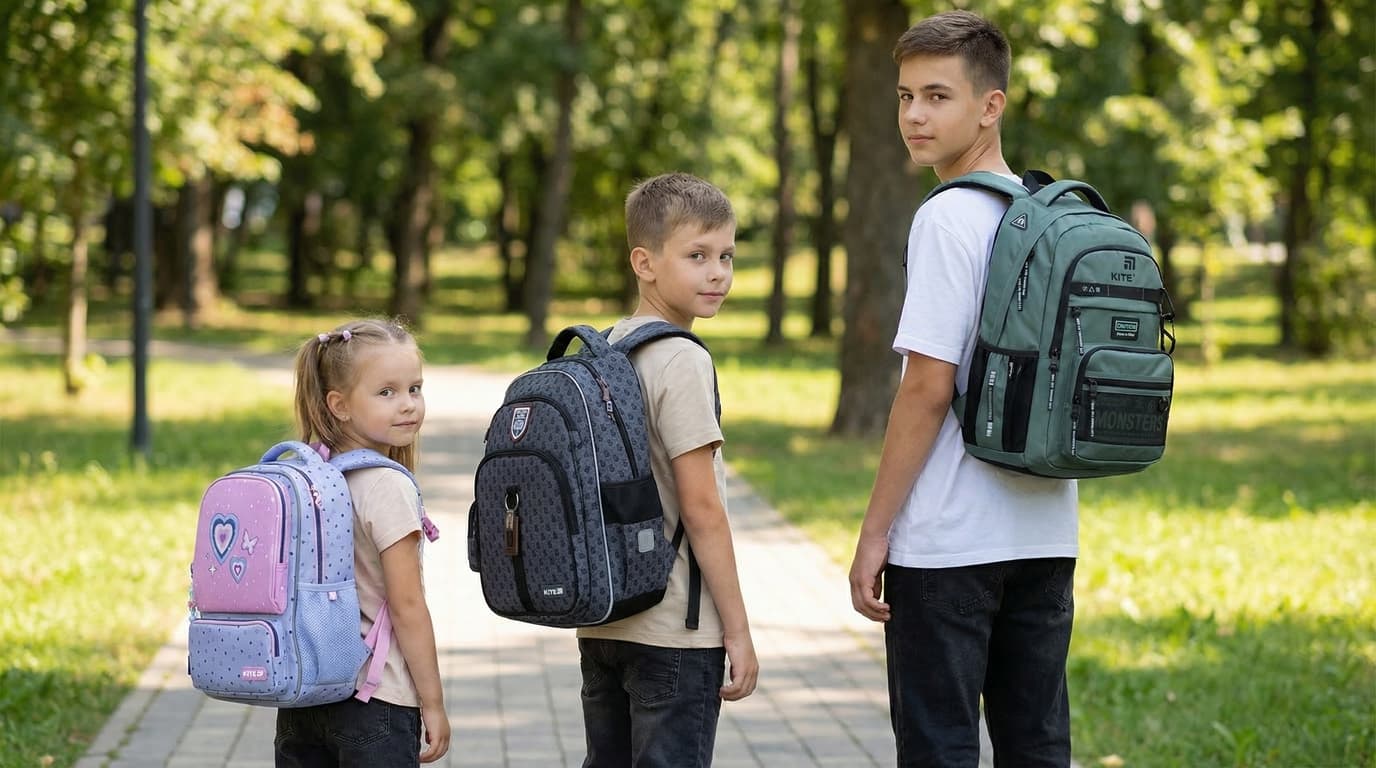
Capacity matters, but fit matters more. A backpack should sit between the child’s shoulder blades and the top of the hips. It should not hang low below the waist. The table below gives a practical starting point by grade and age, but the final check should always be how the bag fits the child’s torso.
For a more detailed backpack size guide with practical fit advice by school stage, see our full Backpack Size by Grade in Canada guide.
How Heavy Should a School Backpack Be
A practical rule used by many parents and professionals is that a packed backpack should not exceed about 10–15% of a child’s body weight. This includes the full loaded bag, not just the books inside. That is why a lighter empty backpack gives more room for the essentials without pushing the total weight too high.
If your child’s backpack regularly goes beyond this range, it is worth reducing non-essentials, improving organization, or rethinking the backpack itself. For a deeper breakdown of backpack weight for kids, read our dedicated guide on backpack weight limits for kids.
Key Features of a Good School Backpack
Wide Padded Shoulder Straps
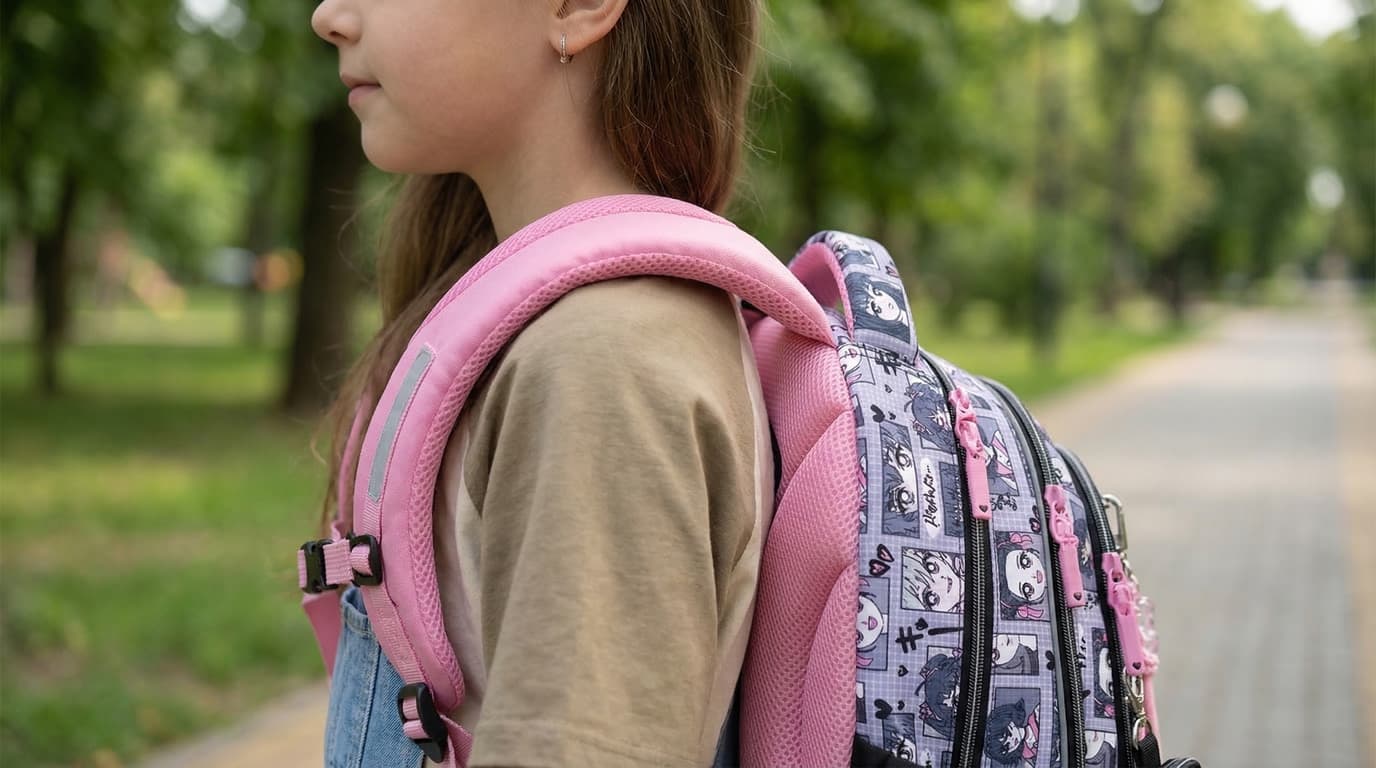
Shoulder straps should be wide enough to spread pressure across the shoulder instead of digging into one narrow line. Good straps are padded, adjustable, and shaped to sit naturally. Thin straps are one of the most common weak points in lower-quality kids backpacks.
Chest Strap
A chest strap connects the shoulder straps across the front and helps keep the backpack stable. This is especially useful for children who walk more, move quickly between activities, or carry a fuller load through the day.
Ergonomic Back Panel
The back panel is one of the most important structural parts of an ergonomic school backpack. A well-designed back panel is padded, shaped for support, and stable enough to help keep the load close to the body. If you want to compare stronger models, see our guide to the best ergonomic school backpacks in Canada.
Breathable Padding
Some backpacks include mesh panels or ventilation channels to reduce heat build-up against the back. This adds everyday comfort, particularly during warmer parts of the school year or longer walking periods.
Multiple Compartments
A good school backpack should have enough compartments to separate binders, lunch items, a water bottle, smaller accessories, and sometimes a device. Better organization improves access and also helps keep weight distributed more sensibly.
Durability and Materials
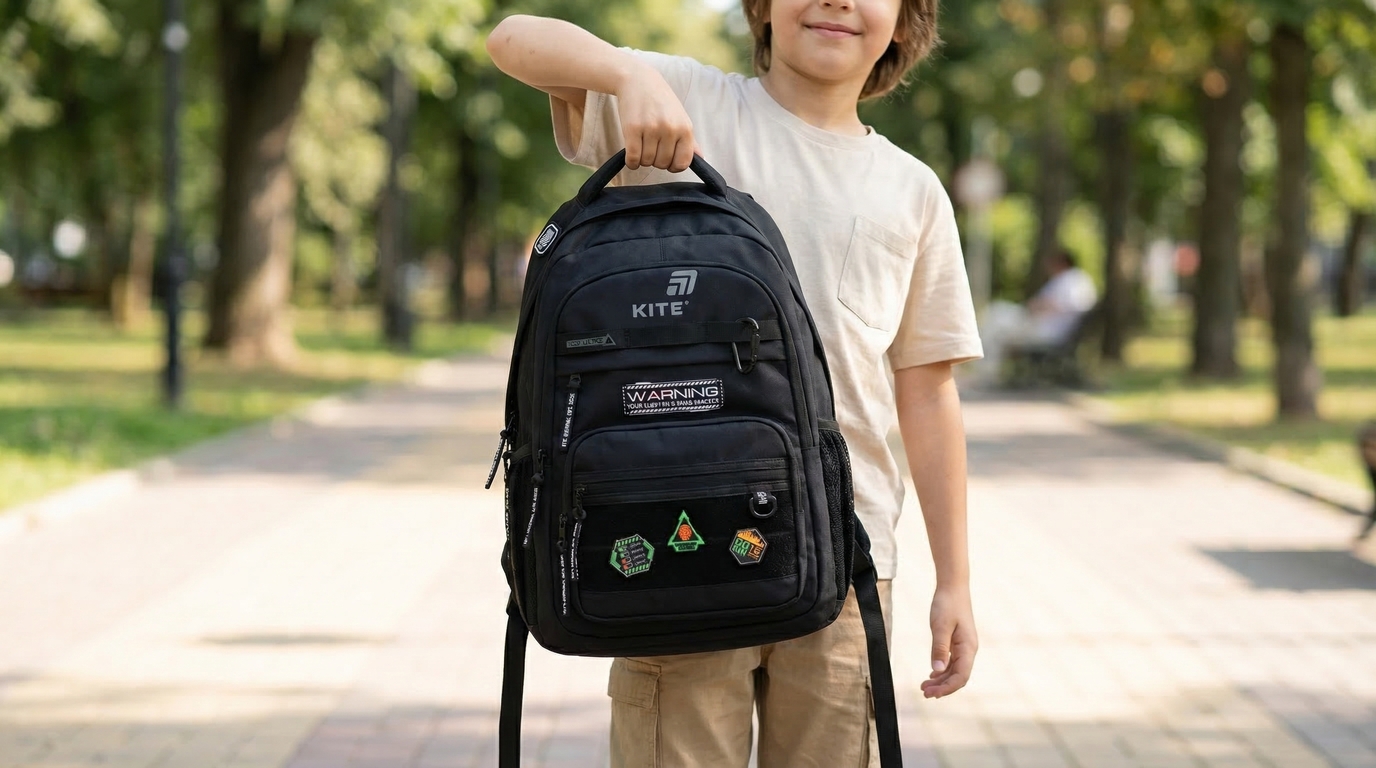
Canadian school life is hard on bags. A backpack may deal with rain, snow, slush, wet floors, rough lockers, and daily zipper use over many months. That makes materials and construction more important than they first appear.
- Reinforced stitching at strap attachment points and the base of the bag helps prevent early failure.
- Water-resistant fabric protects contents better during everyday weather and transit routines.
- Strong zippers make daily opening and closing easier and more reliable.
- Reflective elements are useful for darker mornings and winter commutes.
Comfort and Fit
Before buying, check the fit with the backpack loaded, not empty. A bag that feels fine without books may sit very differently once packed.
- The bottom of the backpack should sit at or just above the hips, not below the waist.
- The top should not rise above the shoulders.
- Both shoulder straps should be adjusted evenly.
- The bag should stay close to the back rather than leaning away.
- The weight should feel centered and stable while walking.
Best Backpack Types for Students
Elementary School Backpacks
Younger students need a lightweight bag that fits a smaller frame, is easy to manage independently, and offers enough structure for daily basics without encouraging overpacking. See our elementary school backpacks for age-appropriate options.
Middle School Backpacks
Middle school students usually carry more supplies and often benefit from better organization, stronger support, and more durable construction. At this stage, a backpack should manage a fuller load without losing shape or comfort.
High School Backpacks
High school students frequently carry the heaviest daily load. A good high school backpack should offer a stable back panel, strong zippers, sensible compartments, and enough space for books, devices, and extras. Browse our high school backpacks to compare stronger options for older students.
Ergonomic Backpacks vs Regular Backpacks
A regular backpack is mostly built to carry items. An ergonomic backpack is designed around how the load sits on the body. That usually means a more structured back panel, better strap shape, improved stability, and more comfortable daily wear. For a deeper comparison, read our full guide on orthopedic vs regular backpacks.
Best Backpacks for Kids
If you want recommendations instead of comparing every feature yourself, start with our curated guide to the best backpacks for kids and ergonomic school backpacks in Canada. It helps narrow down stronger choices by age, grade, and everyday carrying needs.
Common Backpack Buying Mistakes
- Choosing a backpack that is too big — oversized bags often sit incorrectly and encourage overpacking.
- Ignoring the empty weight — a heavy bag reduces how much can be carried safely.
- Accepting thin straps — thin straps become uncomfortable quickly under real weight.
- Buying for capacity alone — storage matters, but fit and support matter more.
- Skipping the fit check — the same bag can fit one child well and another poorly.
- Poor organization — too few compartments can turn the bag into a single heavy pile.
Frequently Asked Questions
What size backpack should a child use for school?
It depends on age, grade, body size, and daily load. In general, younger children often need around 10–15L, elementary students about 12–18L, middle school students 18–22L, and older students around 20–25L. More important than litres is how the bag fits the child’s torso.
Are ergonomic backpacks better for kids?
In most cases, yes. Ergonomic backpacks are designed to keep the load closer to the back, improve stability, and distribute weight more comfortably through the day.
How heavy should a school backpack be?
A common practical guideline is to keep the fully loaded backpack at about 10–15% of the child’s body weight, including the bag itself.
What features should a school backpack have?
Look for wide padded straps, a structured back panel, a chest strap, water-resistant material, durable zippers, and enough compartments to organize everyday school items.
Related Guides
- Orthopedic vs Regular School Backpacks — key differences and when ergonomic design matters more.
- European Ergonomic Backpacks in Canada — what sets European-style school backpacks apart.
- Backpack Size by Grade — full sizing guide by school stage.
- Best Ergonomic School Backpacks — curated recommendations by age and daily use.
- Backpack Buying Guides Hub — all backpack guides in one place.
Explore School Backpacks for Kids
Ready to compare options? Browse our school backpacks or go directly to our kids backpacks collection to find backpacks designed for comfort, durability, and everyday school use in Canada.