




Choosing the right school backpack can make a real difference in a child’s daily comfort, organization, and carrying habits. A well-designed backpack should fit properly, distribute weight more evenly, and hold up through busy school days in Canada.
This guide is written for parents who want practical, clear advice when comparing school backpacks for elementary school, middle school, and high school students. Instead of using unsupported product rankings, this page explains what to look for, which backpack types make the most sense, and how to choose a better fit based on age, grade, and daily use.
At MyKite.ca, we focus on European-designed school backpacks with ergonomic structure, practical organization, and supportive everyday design for Canadian families.
Quick Summary
- Best ergonomic backpack: structured design with padded straps and balanced weight distribution
- Best for elementary school: lightweight, properly sized, easy to organize
- Best for high school: larger capacity, stronger support, better compartment layout
- Best lightweight option: low empty weight with durable materials
- Best for organization: compartments for books, lunch, bottles, and essentials
Who This Guide Is For
This guide is useful if you are:
- Buying a first backpack for a younger student
- Replacing an old backpack that no longer fits properly
- Looking for a more ergonomic option for daily school use
- Trying to find the right backpack size for elementary or high school
- Comparing support, organization, durability, and comfort before buying
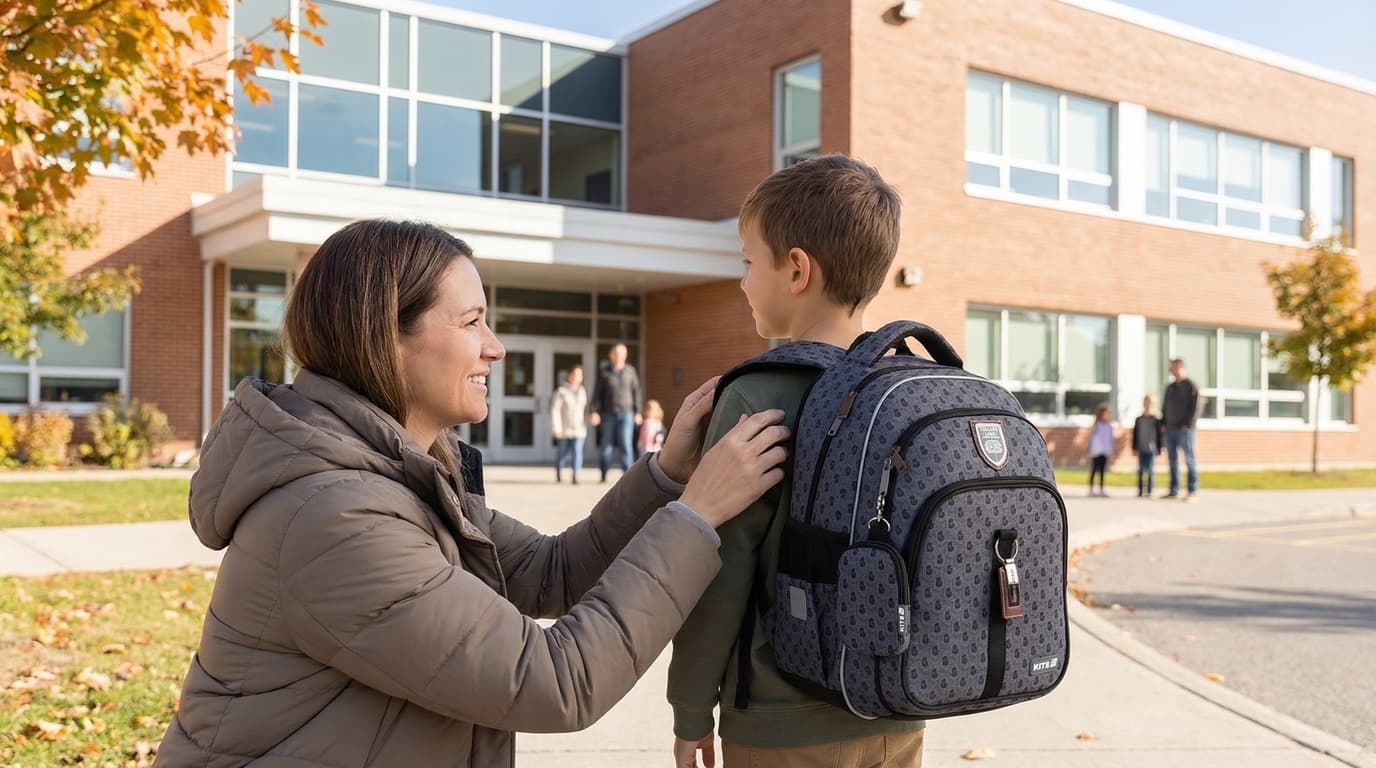
The best school backpack is not the same for every child. The right choice depends on body size, school stage, daily load, and how the backpack is used throughout the week.
Top Picks: Best School Backpacks by Category
Rather than ranking individual backpacks without formal testing data, it is more useful to compare by need and backpack type. That approach matches how most parents actually shop and helps you move directly to the right category.
Best Ergonomic School Backpack
An ergonomic school backpack is usually the best choice for students who carry books, binders, lunch items, and devices on a daily basis. Look for a structured back panel, padded adjustable straps, balanced weight distribution, and support features such as a chest strap or stabilizing design.
If ergonomic support is your main priority, start with our ergonomic backpacks collection.
Best Backpack for Elementary School
Elementary school students need a backpack that is light, easy to manage, and properly sized for a smaller frame. A good elementary backpack should fit folders and daily essentials without looking oversized or hanging too low on the back.
Browse our kids backpacks if you are shopping for younger students.
Best Backpack for High School
High school students often carry larger and heavier loads, including notebooks, textbooks, electronics, lunch gear, and activity items. A good high school backpack should offer more capacity, better compartment layout, and stronger support for daily use.
See our high school backpacks collection for options designed for older students.
Best Lightweight School Backpack
A lightweight backpack can help reduce overall carrying strain before anything is even packed inside. This matters most for younger children and for students who already carry a full school load. Lightweight construction, smart compartment design, and practical materials are often more important than decorative extras.
Best Backpack for Daily Organization
Good organization saves time and improves weight balance. Look for compartments that separate books, lunch items, water bottles, small accessories, and devices. A better-organized backpack also makes it easier for students to pack consistently from day to day.
What to Look For in a School Backpack
When comparing school backpacks, these are the features that matter most.
Proper Fit
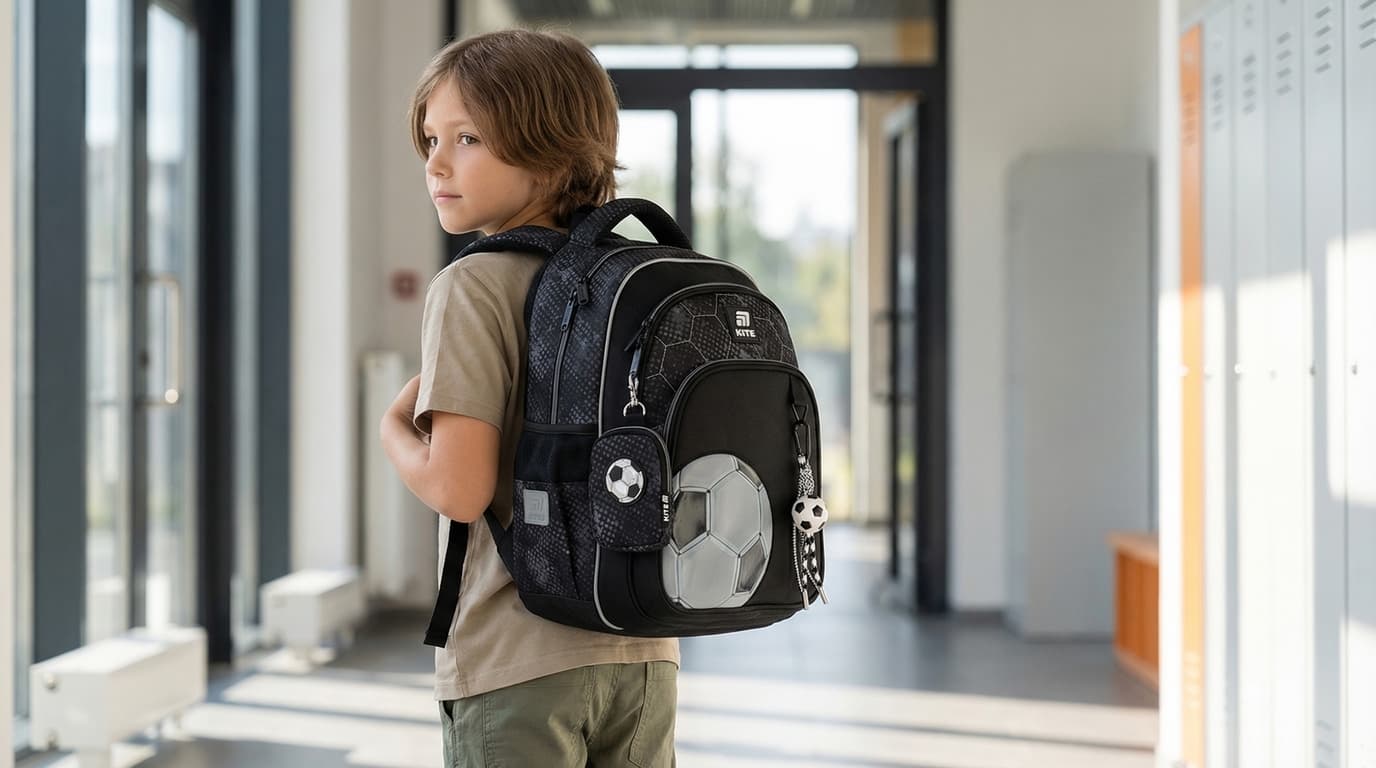
A school backpack should match the student’s height and frame. It should sit comfortably on the back without hanging too low below the waist. A backpack that is too large often leads to poor carrying position and overpacking.
Structured Back Panel
A supportive back panel helps the backpack sit more securely and comfortably. Ergonomic designs often use a shaped or padded back structure to improve contact with the back and reduce pressure points during daily wear.
Padded Adjustable Straps
Wide, padded shoulder straps are important for comfort. Adjustable straps also allow parents and students to fine-tune the fit so the backpack sits higher and more securely on the back.
Weight Distribution
A better backpack does not just hold school supplies — it helps distribute that weight more evenly. Designs that keep the load closer to the body are usually more comfortable than loose, unstructured bags.
Chest and Waist Support
Some backpacks include a chest strap or additional stabilizing support. These features can help limit shifting and improve carrying comfort, especially for students who walk longer distances or carry more weight.
Organization
A practical school backpack should make it easier to separate larger items from smaller daily essentials. Compartments for books, stationery, water bottles, and devices help reduce clutter and improve usability.
Durability
School backpacks in Canada need to handle frequent use, changing weather, and repeated loading and unloading. Strong seams, durable fabric, and reliable zippers matter more than trend-based styling.
For a deeper comparison of supportive backpack design, see our guide on orthopedic vs. regular school backpacks.
Ergonomic Backpack vs Regular Backpack
| Feature | Ergonomic Backpack | Regular Backpack |
|---|---|---|
| Back panel | Structured or supportive design | Basic or flat construction |
| Shoulder straps | Padded and fit-focused | May offer limited padding |
| Weight distribution | Designed to feel more balanced | Can shift or pull away from the back |
| Support features | May include chest straps or stabilizing elements | Usually more basic |
| Best use case | Daily school use and heavier routines | Light or occasional use |
How to Choose a School Backpack by Grade
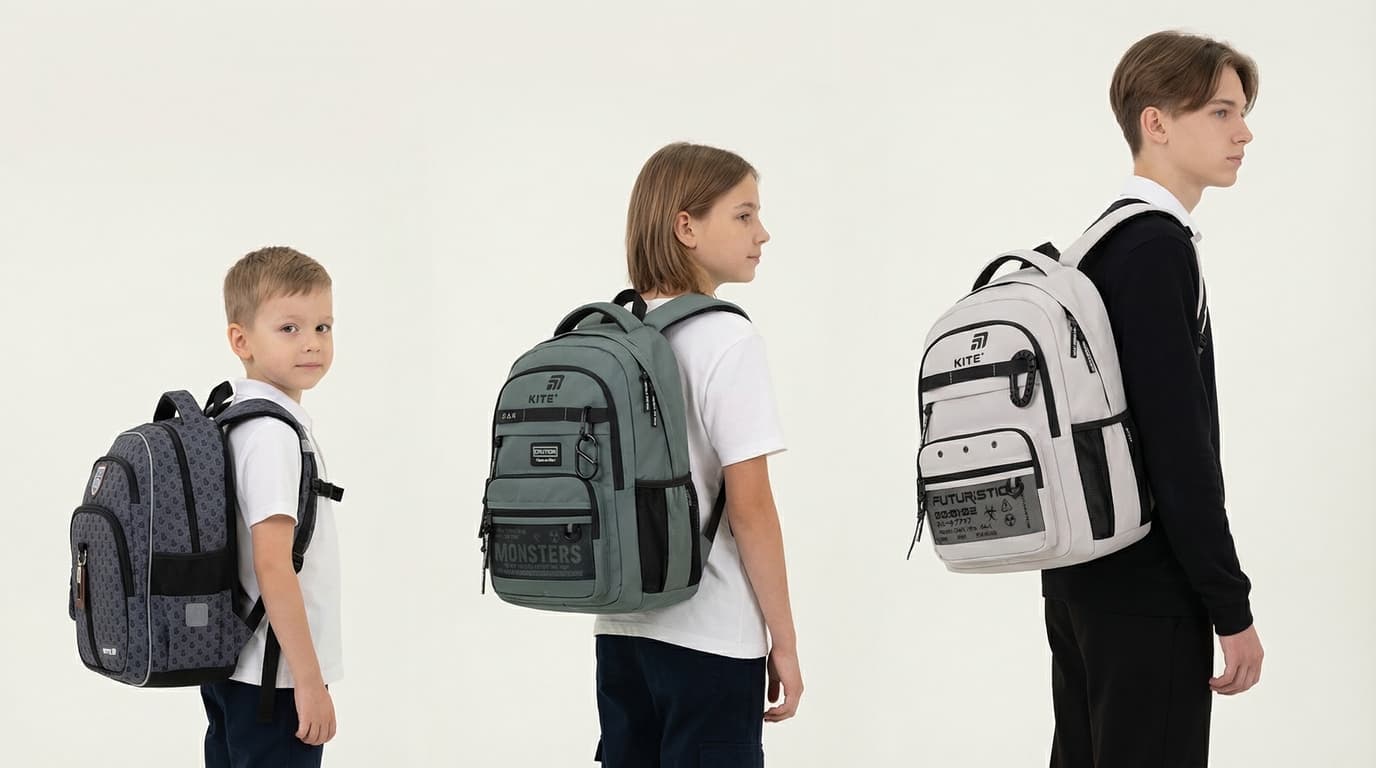
Kindergarten and Grades 1–2
At this stage, the priority is correct fit, low empty weight, and simple usability. The backpack should be easy to open, easy to wear, and sized appropriately for a smaller child.
Grades 3–6
As school loads increase, support and organization become more important. This is often the stage where parents start paying closer attention to ergonomic features, structure, and everyday comfort.
Grades 7–9
Students in these grades often carry more items and begin needing more mature styling, more internal organization, and sometimes a laptop compartment. A balance of comfort and function becomes especially important here.
Grades 10–12
Older students usually need larger capacity, stronger materials, and layouts that support daily movement between classes, activities, and commuting. Durability and compartment design are key.
For more detailed sizing advice, visit our backpack size by grade guide.
Frequently Asked Questions
What is the best school backpack for kids in Canada?
The best school backpack is one that fits the child properly, matches their school stage, and offers enough support and organization for daily use. For many families, ergonomic designs are a smart option because they focus on comfort and balanced carrying.
Are ergonomic backpacks better for school?
In many cases, yes. Ergonomic backpacks are designed with features that can improve comfort, fit, and weight distribution during daily school use. They are especially useful for students who carry heavier loads regularly.
What size backpack is best for elementary school?
Elementary school students usually need a backpack that is compact enough for their frame but large enough for daily school essentials. The best size depends on the child’s height, what they carry, and how the backpack sits when worn properly.
How heavy should a school backpack be?
A commonly used guideline is that a packed backpack should stay within about 10–15% of a child’s body weight. The exact number depends on the child, but lighter and more balanced is generally better for daily school routines.
What features should parents look for?
Focus on fit, padded straps, a supportive back panel, practical compartments, durable materials, and the right size for the student’s age and daily load. For some students, ergonomic support features are worth prioritizing.
Where to Start on MyKite.ca
If you want more guidance before choosing, these guides will help:
- How to choose an ergonomic kids backpack
- Backpack size by grade in Canada
- Orthopedic vs regular school backpacks
This page is designed to help parents narrow the search faster and move to the right backpack category with more confidence.