




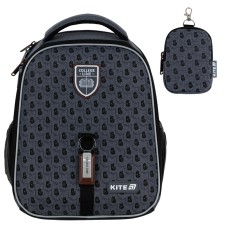
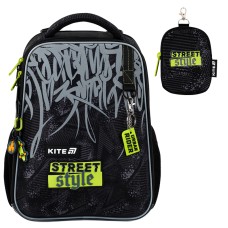
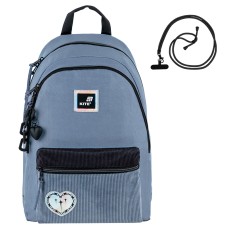
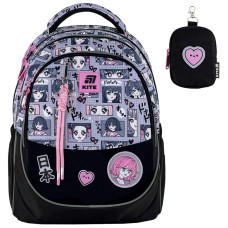
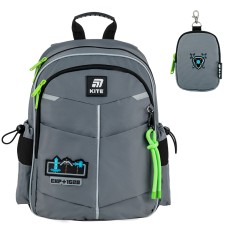
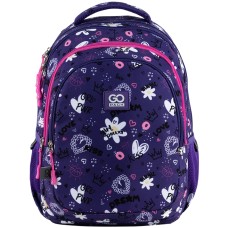
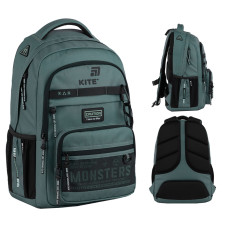
School Backpacks Canada: Structured, Ergonomic & Built for Daily Use
A school backpack is one of the most physically demanding items a child uses every day. Across roughly 195 school days a year through October rain in Vancouver, January slush in Toronto, and everything in between students carry textbooks, binders, Chromebooks, lunch containers, water bottles, and personal items. What they carry the bag in matters more than most parents expect.
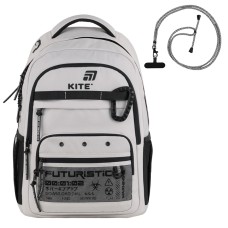
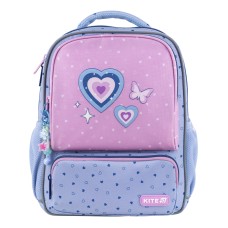
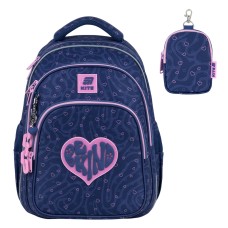
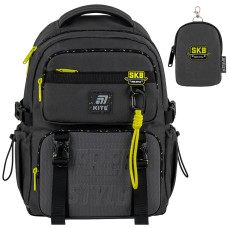
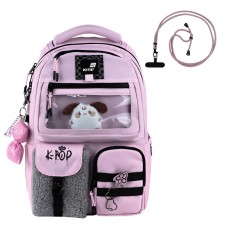
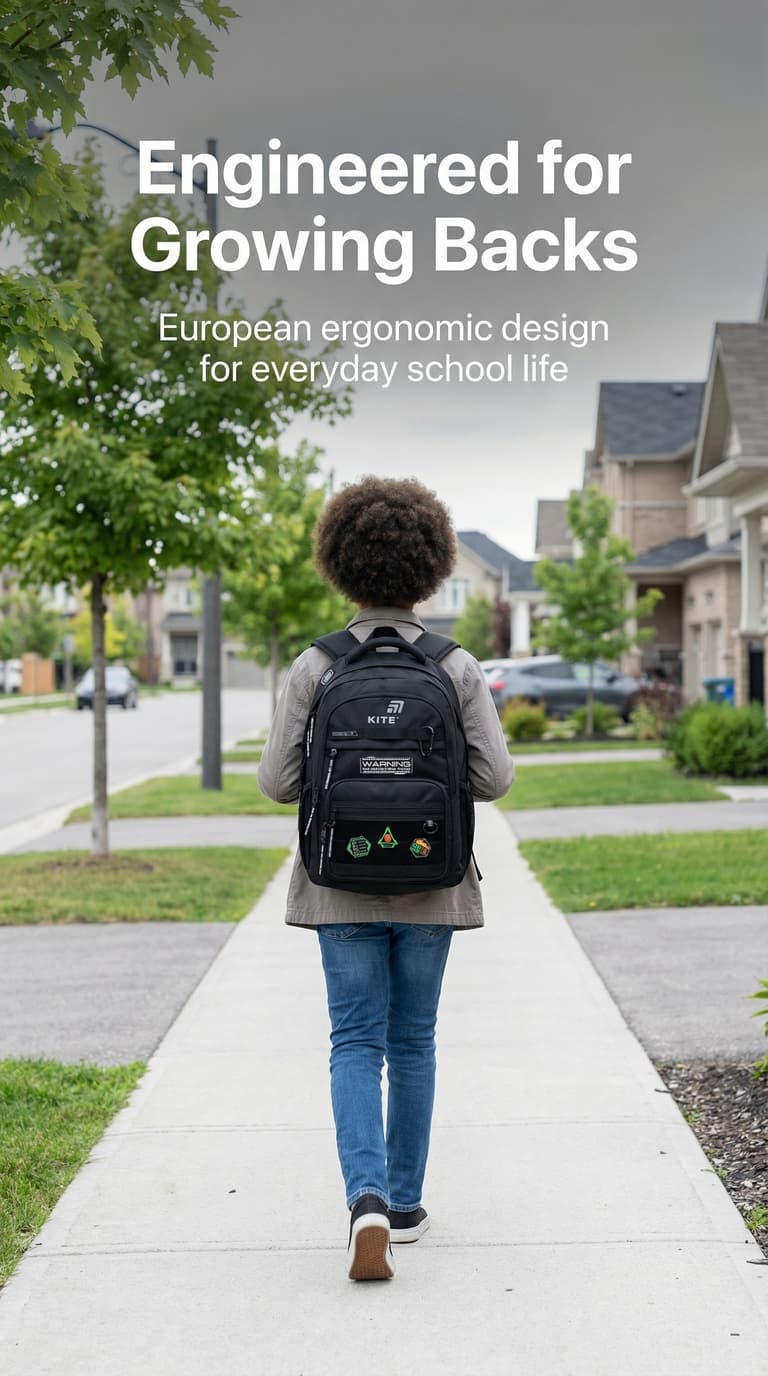
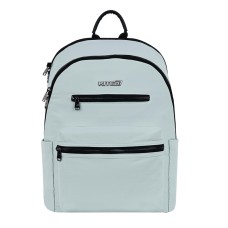
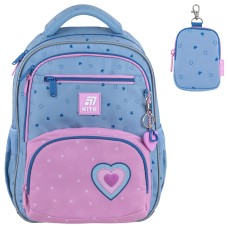
At MyKite.ca, we focus on structured school backpacks and school bags from Kite and GoPack - two European brands engineered specifically for student loads, growing bodies, and daily wear. These are not soft-shell fashion bags. They are purpose-built to keep weight close to the spine, support developing posture, and hold up through multiple Canadian school years.
Shop by student stage
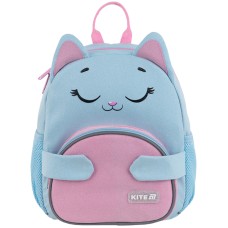
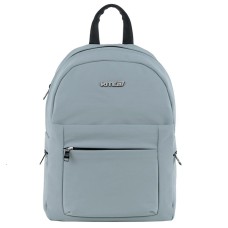
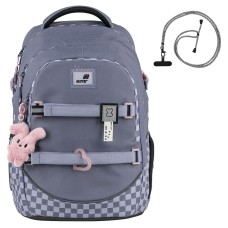
Kindergarten & preschool backpacks • Elementary school backpacks • High school backpacks • Ergonomic backpacks
Why Backpack Structure Matters for Growing Spines
The Canadian Chiropractic Association recommends that a loaded school backpack stay within 10–15% of a child's body weight. But weight alone is only half the problem. Where that weight sits relative to the spine is equally important. A soft-shell bag filled to capacity pulls the load downward and away from the body, forcing the student to compensate by leaning forward. Over repeated school days, that compensation pattern can become a habit and a problem.
Structured backpacks from Kite and GoPack are designed to keep weight higher and closer to the back panel, reducing the moment arm on the lumbar spine and helping maintain more natural posture. For children whose bones, muscles, and spinal alignment are still developing, this distinction is meaningful not just comfortable.
⚠️ Watch for these warning signs: forward lean while walking, red strap marks on shoulders, complaints of neck or upper back pain, numbness in hands or fingers, or difficulty putting the backpack on independently. These are signals that the current bag is not doing its job.
Kite and GoPack: Structure Over Collapse
Most mass-market backpacks use soft-shell construction with minimal internal support. When filled, everything sinks to the bottom, shifting the centre of gravity away from the body and increasing spinal load. Kite and GoPack are built differently.
Kite backpacks are engineered with orthopedic back panels, S-shaped padded shoulder straps, and Air Comfort ventilation systems. The structured design holds its shape under load, positions weight closer to the spine, and reduces pressure on the trapezius muscles and cervical spine the two areas where students most commonly report pain. Many Kite models also feature hidden rear pockets, reflective elements for dark Canadian mornings, and load lifter straps on higher-capacity versions for high school use.
GoPack backpacks are organized for real student routines front organizer pockets, dedicated tech sleeves, water bottle side pockets, and structured compartments that help distribute items more evenly rather than letting everything collapse to the bottom. GoPack is a practical, durable daily option for boys and girls that holds up without the higher price point of a premium ergonomic model.
Choosing by Grade: Buy for the Load, Not the Age
One of the most common purchasing mistakes is buying a bag with room to grow. An oversized backpack hangs too low, shifts its centre of gravity below the waist, and forces a child to lean further forward to compensate. The right backpack for a Grade 2 student should fit a Grade 2 student not the Grade 5 version of them.
JK to Grade 2 — Ages 4 to 7
At this stage, the backpack should sit flush against the back without pulling away. Wide padded straps are critical — narrower straps concentrate pressure on small shoulder joints and can restrict circulation. A chest strap helps keep the bag from swinging during active school days. Avoid bags with heavy zippers, thick padding in the back panel, or extra pockets that add unnecessary weight before anything is inside.
→ Shop JK and early preschool backpacksGrades 3 to 5 — Ages 8 to 10
Students in this range start carrying more volume: full-size binders, lunch containers, water bottles, and reading materials. A chest strap becomes genuinely useful here because it stabilizes the load and prevents backward pull during walking. Look for a structured bottom panel that keeps the bag from collapsing when set down, and at least one dedicated water bottle pocket that doesn't eat into main compartment space.
→ Browse 15–18L elementary backpacksGrades 6 to 8 — Ages 11 to 13
Middle school is often where backpack-related strain spikes for kids and young teens. Students carry binders for multiple subjects, planners, school-issued Chromebooks or tablets, and often gym clothes. This is the heaviest load-per-body-weight stage for many students. A padded laptop or tech sleeve protects devices from impact and separates them from books. Structured internal compartments prevent the load from collapsing forward. A chest strap with a good sternum position — not too high, not too low — helps balance the weight significantly.
→ Shop middle school backpacksGrades 9 to 12 — Ages 14 to 18
Teenagers and high school students carry the most volume - textbooks, a laptop and charger, notebooks, lunch gear, sports equipment, and daily essentials. For students commuting across Toronto, Vancouver, Montreal, or other busy Canadian cities, the backpack also needs to work on transit: structured enough to stand on its own in a crowded bus, compact enough not to take up an entire aisle. Look for reinforced bottom panels, load lifter straps on selected models, and external compression straps that help the bag maintain its profile when partially loaded.
→ Explore high school backpacks with laptop compartmentsA backpack can be the right volume but still fit incorrectly. If the bag is too big, students tend to overpack, increasing total weight. If it is too long, it sits below the waist and shifts the centre of gravity downward, forcing forward lean.
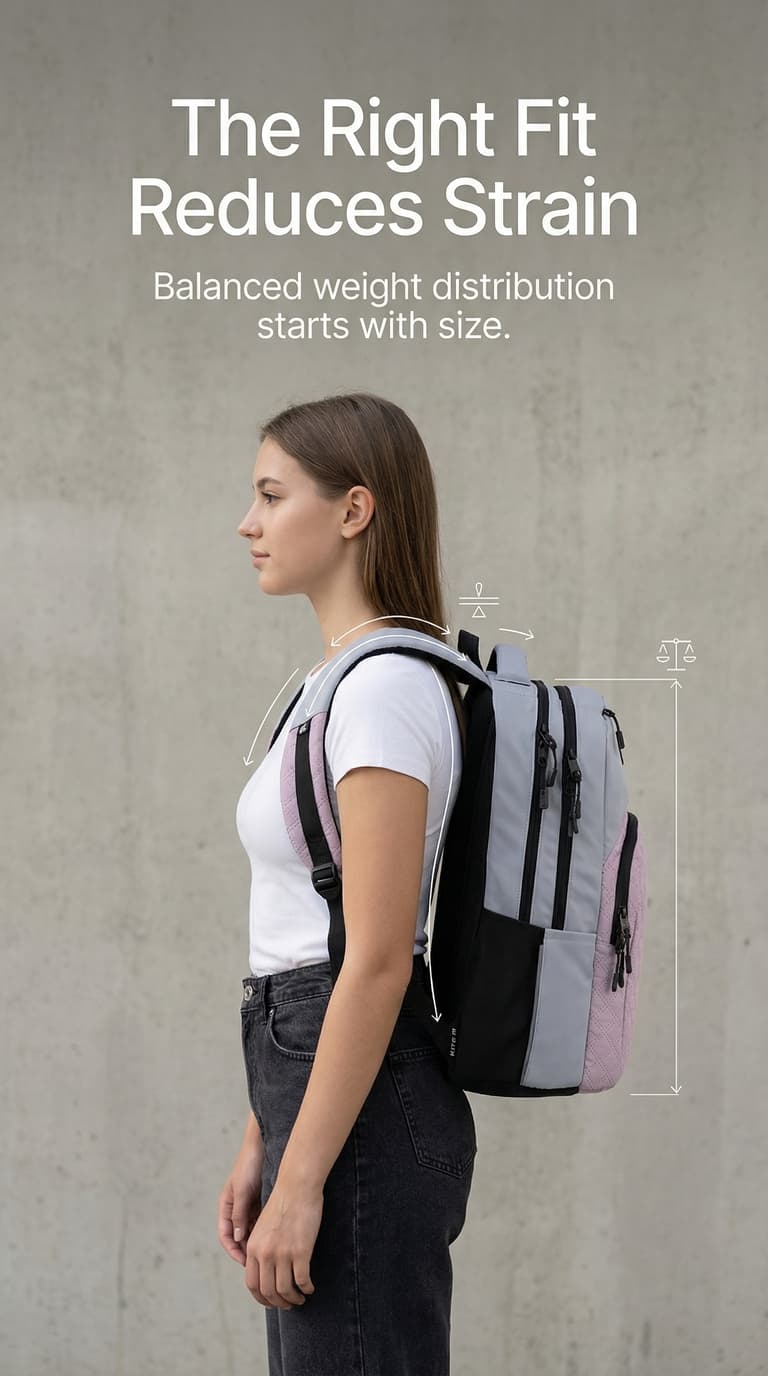
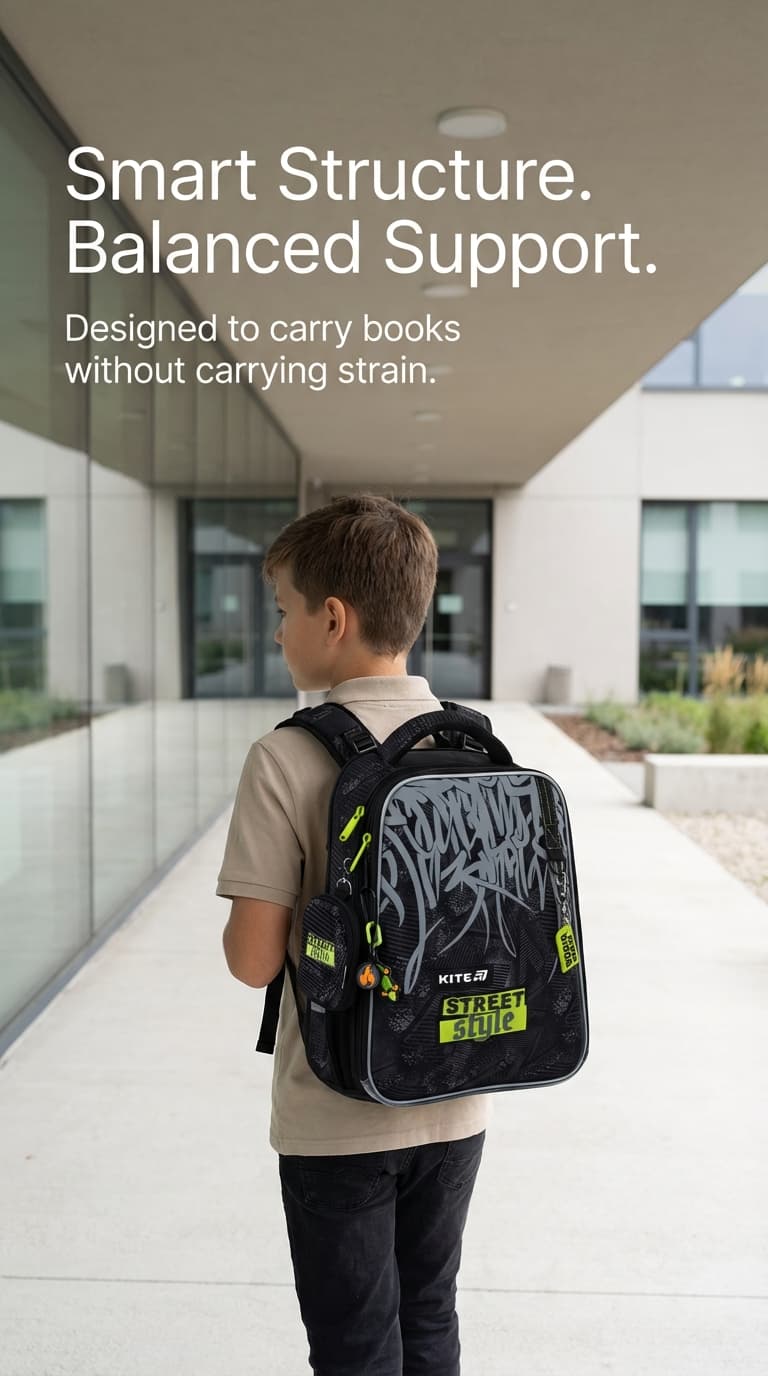
The correct fit keeps the bottom of the backpack at waist level and the load positioned high on the back not pulling from the hips.
Backpack Weight Guidelines for Canadian Students
| Student Body Weight | Max Loaded Backpack Weight | Grade Range (approx.) |
|---|---|---|
| 18–22 kg | 1.8 – 3.3 kg | JK – Grade 2 |
| 25–32 kg | 2.5 – 4.8 kg | Grades 3 – 5 |
| 35–50 kg | 3.5 – 7.5 kg | Grades 6 – 8 |
| 50–70 kg | 5.0 – 10.5 kg | Grades 9 – 12 |
These figures follow the 10–15% body weight guideline widely referenced by the Canadian Chiropractic Association. Many middle school students exceed the upper limit regularly once binders and a device are inside. A structured bag with better internal organization reduces the likelihood of overpacking by making it easier to see exactly what is being carried.
→ See our full backpack weight and safety guide
What "Ergonomic" Actually Means — and What It Doesn't
Ergonomic is one of the most overused words in the backpack market. A bag with padded straps and a mesh back panel is often labelled ergonomic. In practice, true ergonomic design means the load is positioned and structured so that the body does less compensatory work to carry it. The features that achieve this are specific.
Holds shape under load. Keeps the weight higher and closer to the spine, reducing force on the lumbar vertebrae.
Follow the natural curve of the shoulder and upper chest rather than cutting across it. Distributes weight more evenly across the trapezius.
Pulls the shoulder straps inward, reducing backward pull and preventing the bag from swinging during movement.
Draw the top of the backpack closer to the upper back, shifting the centre of gravity upward and inward toward the body.
Reduce moisture and heat buildup between the back panel and the student's back during daily wear — especially relevant across all four Canadian seasons.
Prevent load from shifting to the bottom of the bag, keeping the centre of gravity where it belongs: at upper back height.
The difference between a good ergonomic backpack and a labelled-as-ergonomic soft bag is visible within a week of daily school use. One holds its shape, sits where it should, and the child doesn't adjust their posture to carry it. The other doesn't.
How to Check Backpack Fit at Home
Fit matters as much as design. A well-made backpack worn incorrectly provides minimal benefit. These checks take less than two minutes and should be done at the start of each school year — and again in January when winter clothing changes the equation.
- The top of the backpack should sit no more than 5 cm above the shoulder line.
- The bottom of the bag should rest around the natural waist — not at the hips or lower.
- With both straps on and adjusted, the bag should sit flat against the back with no gap at the upper panel.
- The chest strap should clip across the mid-sternum, not near the collarbone or the stomach.
- If the child leans forward to walk comfortably, the bag is either too heavy, too long, or hanging too low.
Seasonal Fit: Adjusting for Canadian Winters
A backpack that fits well in September will often fit differently in January. Thick parkas, snowsuits for younger students, and layered winter clothing change where the shoulder straps sit and how close the bag rests against the body. This is a uniquely Canadian consideration that most backpack guides from warmer climates skip entirely.
Packing Order: Why It Changes How the Bag Feels
Correct packing reduces perceived weight, improves balance, and makes the structural advantages of a well-made backpack actually work. The rule is simple: heaviest items go closest to the back panel, medium items in the centre, lighter items in front or outer compartments.
- Against the back panel: laptop, textbooks, heavy binders
- Middle compartment: notebooks, folders, light binders
- Front compartments: lunch, accessories, gym clothes, keys
- Side pockets: water bottle (never inside the main compartment — it shifts weight unpredictably)
A student carrying 4 kg packed correctly in a structured bag will feel noticeably lighter than one carrying 3.5 kg in a soft bag packed randomly. Structure and organization do physical work.
Materials and Durability: 195 School Days a Year
Canadian school years run roughly 195 days across four distinct seasons, including freeze-thaw cycles, wet snow, slushy sidewalks, and school bus seats that wear through fabric over time. A backpack bought in August needs to survive conditions that most consumer goods are never tested against.
- 600D polyester — standard durability for lighter models; handles daily school use well
- 900D polyester or ripstop nylon — higher abrasion resistance for heavier loads and rougher use
- DWR (Durable Water Repellent) coating — repels light rain and snow; appropriate for most school days
- PU coating — stronger moisture protection for wetter conditions and wet ground contact
- YKK or SBS zippers — the standard for durability; the zipper is almost always the first point of failure in lower-quality bags
- Double or triple stitching at stress points — particularly at the top handle, strap attachment points, and bottom corners
- Reflective elements — important for fall and winter mornings when students leave home before sunrise
City Commuting: Transit-Ready Features for Canadian Students
For students in Toronto and the GTA (Greater Toronto Area), Vancouver, Montreal, Calgary, and Ottawa, the backpack is not just a locker item — it is a transit companion used on crowded subway cars, buses, and crosswalks. A bulky soft bag that hangs low and wide is genuinely difficult to manage in a packed TTC car or on a busy SkyTrain platform.
Kite and GoPack structured backpacks maintain a slimmer, upright profile even when fully loaded. A reinforced top handle allows quick hand-carry when moving through turnstiles or between transit legs. An organized interior means students can access what they need without unpacking everything in a crowded space. For high school students commuting across large cities, this is a practical daily advantage, not a theoretical one.
Backpack Size Guide Summary
| Grade | Capacity | Key Features | Shop |
|---|---|---|---|
| JK – Grade 2 | 12–15L | Lightweight, wide straps, flush back fit, chest strap | Shop |
| Grades 3–5 | 15–18L | Chest strap, water bottle pocket, structured bottom | Shop |
| Grades 6–8 | 18–22L | Tech sleeve, front organizer, sternum strap | Shop |
| Grades 9–12 | 22–30L | Laptop compartment (13–15"), reinforced base, load lifters | Shop |
Sustainability and Long-Term Value
A $30 soft backpack that fails mid-year and ends up in a landfill costs more over three years than a well-made structured bag that lasts through all of them. Kite and GoPack backpacks are built with stronger fabrics, better hardware, and stitching designed to survive the full Canadian school year repeatedly. For families who treat the backpack as a multi-year investment rather than a seasonal consumable, the cost-per-year calculation usually favours the more durable option significantly. Whether you are searching for a lightweight school backpack, the lightest backpack for school your child's grade allows, or simply the most durable option for Canadian winters the answer is the same: structure and fit matter more than brand or price.
Frequently Asked Questions
What size backpack is best for elementary school?
Most elementary school students need 15–18L for Grades 3–5, and 12–15L for JK through Grade 2. The right size depends on the child's current body size and daily load — not the grade they will eventually reach.
Are ergonomic school backpacks worth it for kids?
Yes. Structured ergonomic backpacks help keep weight closer to the spine, reduce shoulder and neck strain, and support better posture during the hours students carry them. The Canadian Chiropractic Association emphasizes that both weight and how weight is distributed matter for spinal health in growing children.
How should a school backpack fit a child?
The top of the bag should sit no more than 5 cm above the shoulder. The bottom should rest at approximately waist level. The bag should lie flat against the back with no gap at the upper panel. If the child leans forward to walk, the fit or load needs to be adjusted.
What features matter most in a school backpack?
A structured back panel, padded S-shaped shoulder straps, a chest or sternum strap, durable zippers (YKK or SBS), water-resistant materials, and organized internal compartments that prevent load collapse are the most important structural features for daily school use.
Are Kite and GoPack backpacks waterproof?
Most models are water-resistant rather than fully waterproof. They are designed to protect contents from rain, snow, and wet ground during regular Canadian school-day conditions. For very wet weather, the PU-coated models offer stronger moisture protection.
Are rolling backpacks practical for Canadian school use?
In most cases, no. Snow, slush, stairs, school buses, and crowded transit environments make rolling backpacks impractical for everyday Canadian student use. Structured carried backpacks are a significantly better fit for the full Canadian school year.
What is the difference between an orthopedic and an ergonomic school backpack?
The terms are often used interchangeably, but orthopedic more specifically refers to back panel design that actively supports spinal alignment — not just comfort. Kite backpacks with Air Comfort panels and S-curve straps bridge both categories: ergonomically shaped to fit the body, and structurally designed to support it.
How do I know if my child's backpack is too heavy?
Check the total loaded weight against 10–15% of the child's body weight. Visually, a forward lean while walking, visible strap marks on the shoulders after removal, and complaints of fatigue or pain after school are the most reliable signs. Weigh the packed bag on a bathroom scale — most families are surprised by what they find.
What are the best school bags for kids in Canada?
For kids in Canada, the best school bags combine structure, light empty weight, and age-appropriate capacity. Kite and GoPack offer school bags designed specifically for Canadian students from kindergarten through high school with ergonomic back panels, durable materials, and sizing matched to each grade level. For boys and girls, the right bag depends on current load and body size, not just age. Parents searching for childrens backpacks in Canada or a reliable school knapsack for daily use will find both in this collection — sized and structured for every grade from JK through Grade 12.
- Shop by Backpack Type Boys School Backpacks Girls School Backpacks