




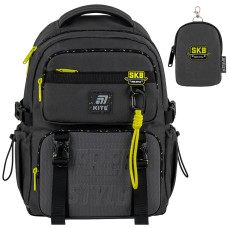
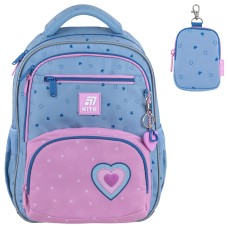
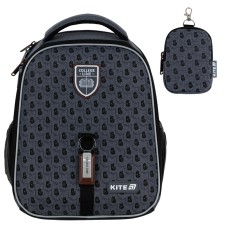
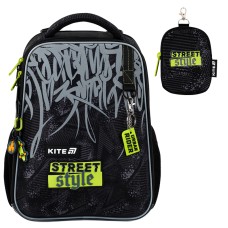
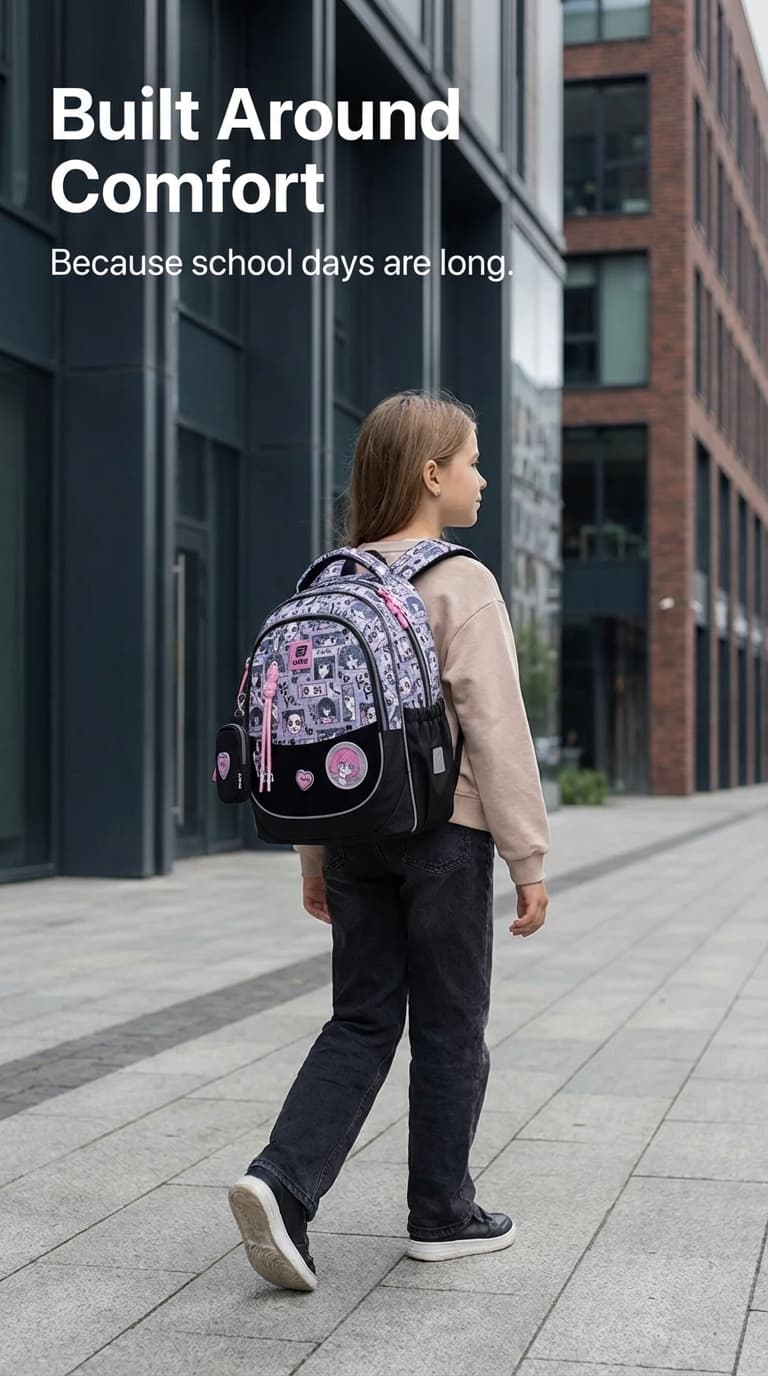
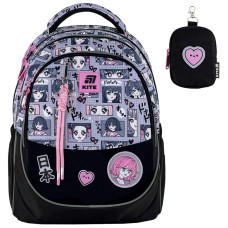
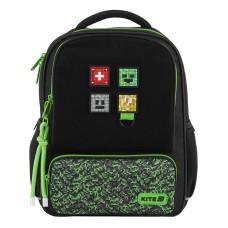
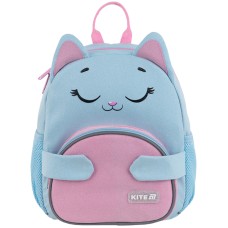
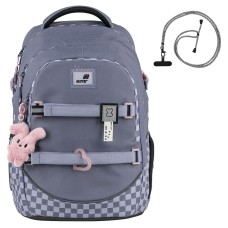
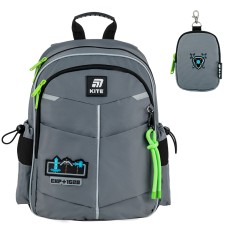
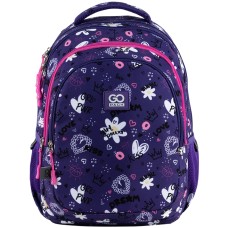
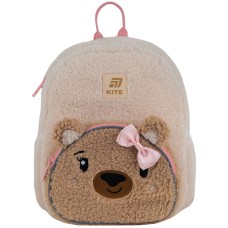
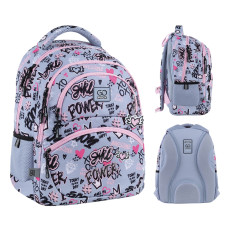
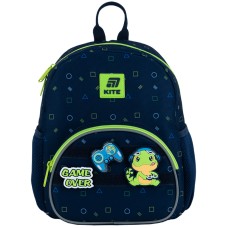
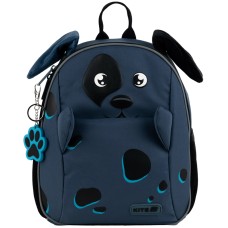
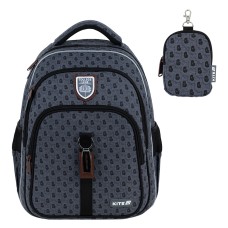
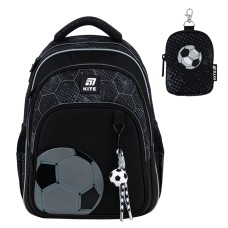
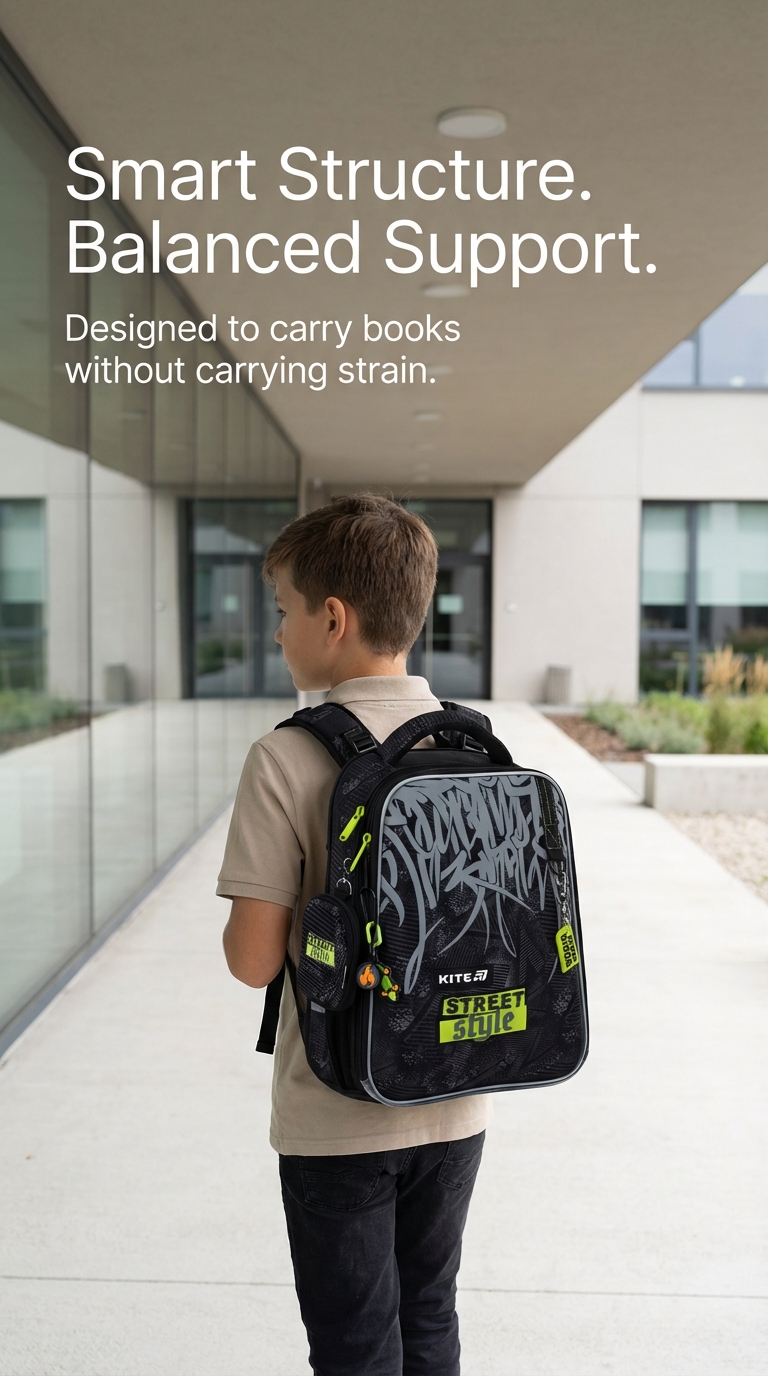
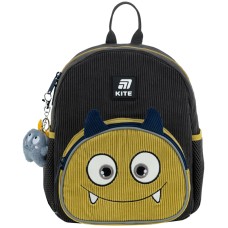
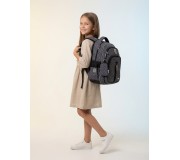
Discover kids backpacks in Canada designed for preschool and elementary school students who need lightweight, durable, and posture-friendly school bags for daily routines. Whether you are looking for a compact preschool backpack, a structured kindergarten bookbag, or a full-size elementary school backpack, this category includes Kite and GoPack models built specifically for growing children — not scaled-down adult bags.
This collection is part of our broader school backpacks range and is divided into two specialized subcategories matched to your child's exact stage: preschool backpacks (ages 3–5) and elementary school backpacks (grades 1–6).
Many models follow the same ergonomic principles used in our ergonomic backpacks, adapted for lighter frames, narrower shoulders, and spines that are still developing. The result is a bag that carries the load without pulling the child backward or causing the forward lean that becomes a long-term posture habit.
Shop by stage
Preschool backpacks (ages 3–5) · Elementary school backpacks (grades 1–6) · Backpack size by grade (Canada)
Preschool & Kindergarten Backpacks (Ages 3–5)
The most common question parents ask is: do preschoolers need a backpack? The honest answer is yes — but a very specific kind. A preschool backpack or daycare backpack for a 3 to 5-year-old should be compact (under 10L), ultra-lightweight (under 500g empty), and simple enough for small hands to manage independently.
At this age, children do not carry textbooks. A pre-K backpack needs to hold a change of clothes, a small snack, a water bottle, and perhaps a favourite toy. What matters most is that the bag sits flush against the back, the straps are wide enough to avoid digging into small shoulders, and the zippers are smooth enough for a 4-year-old to open without help.
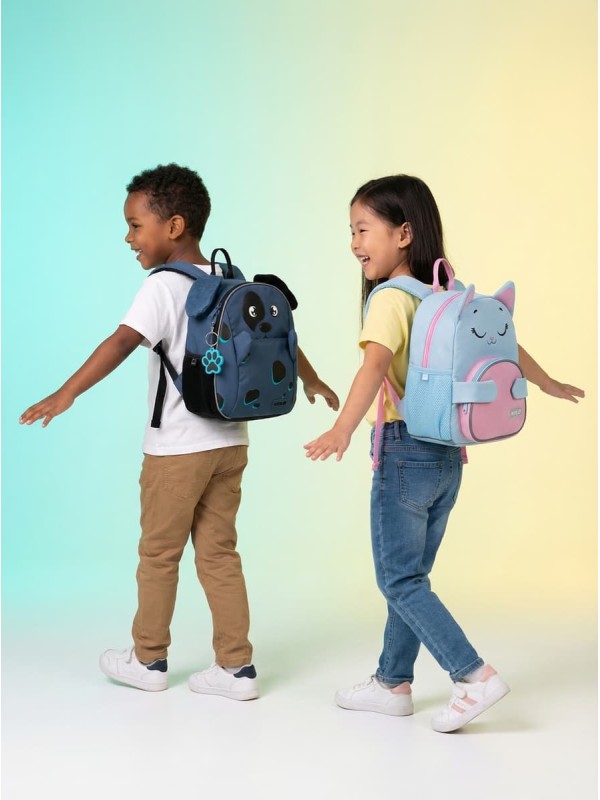
Kite preschool models — including designs with animals, cats, and playful prints like a kids cat backpack or dinosaur designs — are proportioned for children under 115 cm. The chest strap is a key feature at this stage: it prevents the bag from sliding off narrow, sloping shoulders during active play, on the school bus, or walking to class.
Elementary School Backpacks (Grades 1–6 / Ages 6–11)
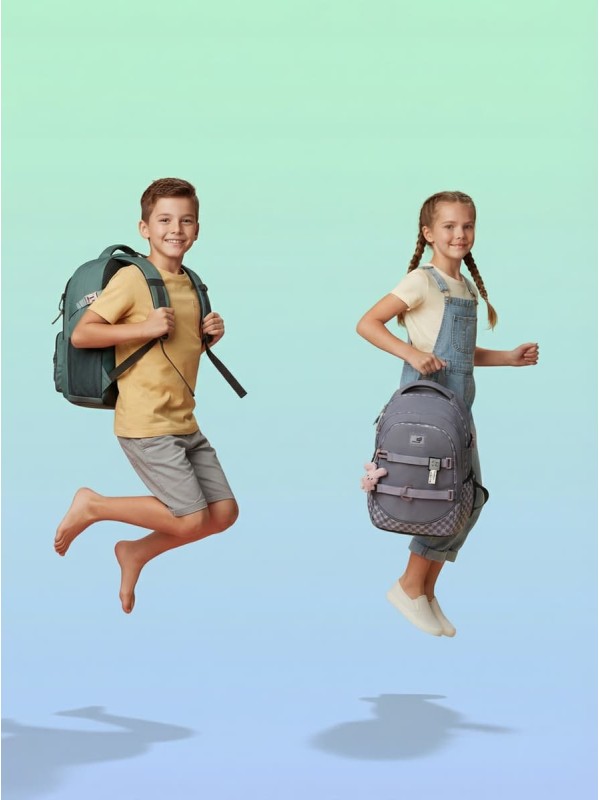
From Grade 1 onward, the daily load increases significantly. Elementary school backpacks must accommodate A4-sized textbooks, multi-subject binders, a lunch container, a 700–800ml water bottle, a pencil case, and sometimes a school-issued tablet. Despite the larger volume, the bag still needs to sit within the child's frame — not hanging below the waist or pulling the shoulders backward.
Backpacks for elementary schoolers in Grades 1–3 typically work best at 11–14L. Grades 4–6 usually need 15–18L as subject load increases. Both ranges are covered in this category with models from Kite and GoPack that maintain structure under full load — the bottom panel stays firm, the back panel keeps its shape, and the load stays close to the spine rather than pulling away from it.
For students carrying a school-issued Chromebook or tablet from Grade 4 or 5, look for models with a dedicated padded sleeve inside the main compartment. This protects the device from impact when the bag is set down and prevents it from shifting around between books.
Why Kite and GoPack — Not a Generic Kids Backpack
Most mass-market kids backpacks are soft-shell bags with minimal internal structure. When filled, everything sinks to the bottom. The child leans forward to compensate — and over repeated school days, that becomes a persistent posture habit. Kite and GoPack are built with structural back panels and correctly shaped straps to prevent this from the first day of use.
- Child leans forward while walking — the bag is pulling them backward
- Shoulder straps leave visible marks or red lines after removal
- Bag sags below the waist rather than sitting at back level
- Child complains of neck, shoulder, or upper back discomfort after school
- Difficulty putting the bag on or taking it off independently
Kite and GoPack prevent these issues through structural design: orthopedic back panels, S-shaped shoulder straps, chest straps, and reinforced bottom panels that hold their shape under load. For a full breakdown of what makes a backpack ergonomic, see our ergonomic backpacks collection.
European orthopedic design. Air Comfort back panel, structured lumbar support, and anatomically shaped straps. Best for posture-conscious parents, heavier loads, or children who walk or commute longer distances.
Built for daily reliability — reinforced construction, organized compartments, and durable materials at a more accessible price point. Strong everyday performance for elementary school routines.
Kids Backpack Size Guide by Age and Grade
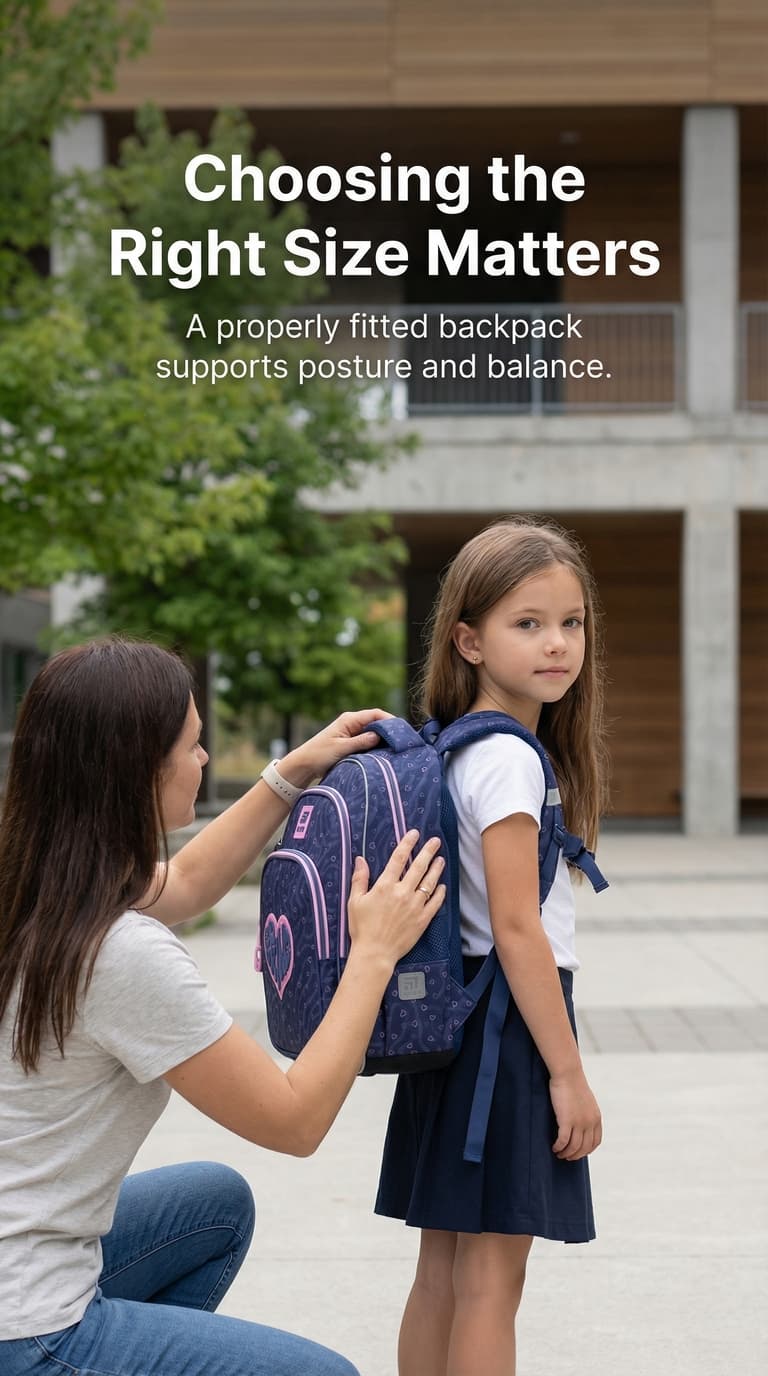
Choosing the right size is the most important step. A bag that is too large encourages overpacking, which pushes the total weight beyond safe limits. A bag that is too long sits below the waist and shifts the centre of gravity downward — the same problem as "buying to grow into."
| Stage | Age / Grade | Capacity | Key fit check |
|---|---|---|---|
| Preschool / Pre-K | Ages 3–5 | 6–10L | Sits flush, chest strap reachable, under 500g empty |
| Grades 1–3 | Ages 6–8 | 11–14L | Bottom at waist, top no higher than shoulders |
| Grades 4–6 | Ages 9–11 | 15–18L | Chest strap at mid-sternum, load sits high on back |
For more detailed sizing including torso measurements and grade-by-grade recommendations, see our backpack size by grade guide (Canada).
Built for Canadian School Conditions
Canadian school years run roughly 195 days across four distinct seasons. A kids backpack bought in August needs to hold up through wet October mornings, January deep freezes, and spring slush — all while being dropped, dragged, and set on school bus floors repeatedly. Kite and GoPack models use wear-resistant polyester, reinforced stitching at all stress points, DWR water-repellent coatings, and reflective elements on straps and back panels for visibility during dark Canadian winter mornings.
Not sure which model to choose? Best ergonomic school backpacks · Orthopedic vs regular backpacks
School Essentials to Pair With Your Child's Backpack
- Insulated Lunch Boxes — sized to fit inside the main compartment of elementary models
- Pencil Cases — structured cases protect supplies from being crushed by books
- Water Bottles — sized to fit the side bottle pockets on most models
Free shipping across Canada on orders over $75 CAD · Toronto local pickup available at checkout · Hassle-free returns and exchanges
Explore more: High School Backpacks · Everyday Backpacks
Kids Backpack FAQ
What size backpack is best for kids?
Size depends on age, height, and grade. Preschoolers need 6–10L. Grades 1–3 typically need 11–14L. Grades 4–6 need 15–18L. Most importantly, the bag should never extend above the shoulders or drop below the waist — that is the fit test that matters more than litre count.
Do preschoolers need a backpack?
Yes — but a very small one. A preschool backpack for ages 3–5 should be under 10L, weigh under 500g empty, and have wide soft straps and a chest strap. Children at this stage carry minimal weight, but having their own bag builds independence and routine. Avoid bags with heavy zippers, rigid frames, or extra pockets that add unnecessary empty weight.
What is the best kids backpack for Canada?
It depends on grade. For preschool and JK/SK (ages 3–5): a compact Kite model under 10L with a chest strap and wide padded straps. For Grades 1–3 (ages 6–8): 11–14L with a structured back panel — Kite for ergonomic priority, GoPack for everyday durability. For Grades 4–6 (ages 9–11): 15–18L with a padded tablet sleeve and reinforced bottom panel. All models ship free across Canada on orders over $75.
Are these backpacks water-resistant for Canadian winters?
Yes. Kite and GoPack kids backpacks are made with DWR water-repellent fabric that handles rain, light snow, and wet ground contact — the standard Canadian school-day conditions. They are water-resistant rather than fully waterproof, which is sufficient for most daily use. All models also include reflective elements for dark fall and winter mornings.
What is the difference between an orthopedic and an ergonomic kids backpack?
Both terms are often used together. Ergonomic refers to how the bag is shaped to fit the body — S-shaped straps, chest strap, proportioned torso length. Orthopedic specifically refers to the back panel being structured to support spinal alignment, not just padded for comfort. Kite models bridge both: ergonomically fitted to the child's frame and orthopedically designed to keep the spine in a neutral position under load.